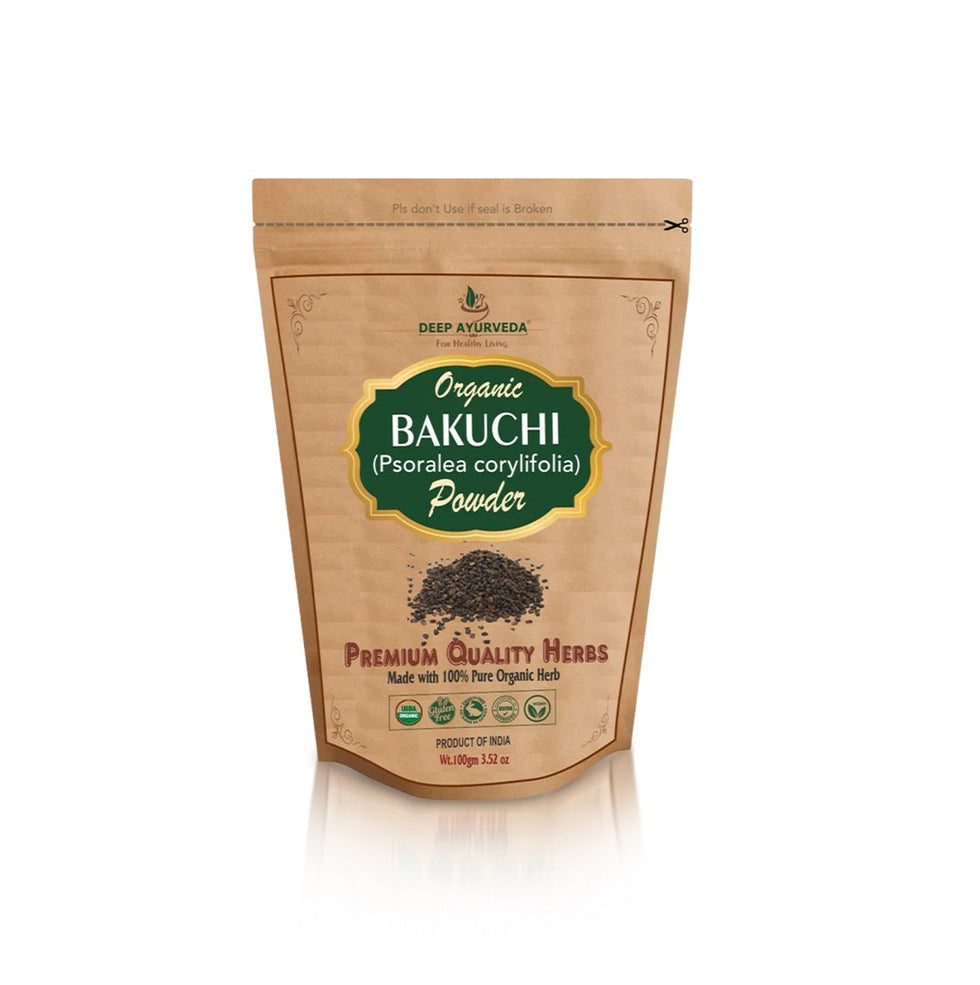
Deep Ayurveda Organic Bakuchi Powder
100% Organic & Chemical-Free ✅ Helps Treat Skin Disorders ✅Improves Skin Complexion ✅ Supports Hair Health ✅ Helps in Joint Pain Relief
Bakuchi (Psoralea corylifolia), also known as Babchi, is a well-known herb in Ayurveda that has been traditionally used for supporting skin health and overall wellness. The seeds of Bakuchi contain naturally occurring bioactive compounds that have made this herb an important part of Ayurvedic formulations for centuries.
In Ayurvedic texts, Bakuchi is primarily recognized for its role in promoting healthy skin, supporting pigmentation balance, and maintaining overall skin vitality. Today, Bakuchi is widely used in herbal oils, powders, tablets, and topical applications under the guidance of qualified Ayurvedic practitioners.
What is Bakuchi?
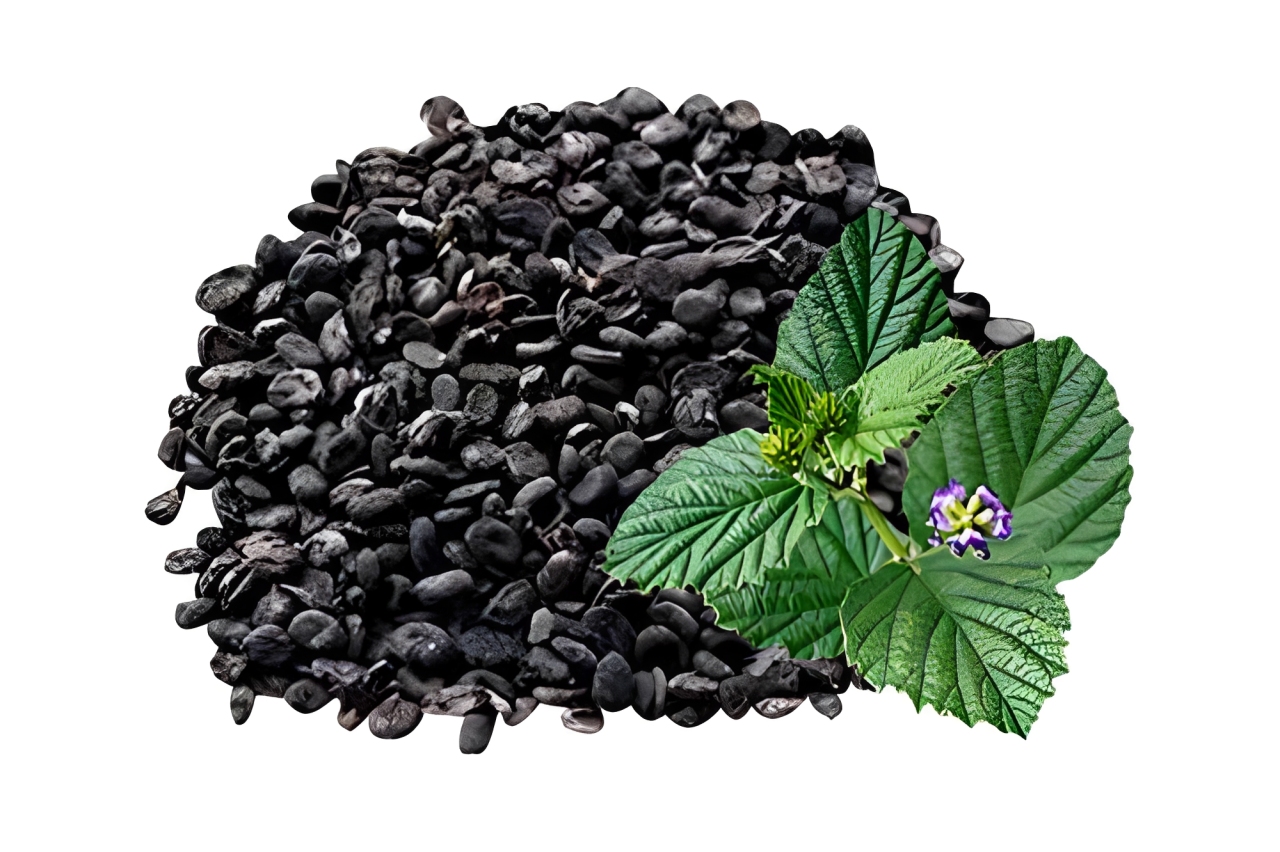
Bakuchi (Psoralea corylifolia) is a medicinal plant belonging to the Fabaceae family. The seeds are the most commonly used part of the plant in Ayurvedic preparations.
Common Names of Bakuchi
| Language | Name |
| Sanskrit | Bakuchi, Somaraji |
| Hindi | Babchi |
| English | Psoralea Seed |
| Botanical Name | Psoralea corylifolia |
Ayurvedic Properties of Bakuchi
According to Ayurveda, Bakuchi possesses the following characteristics:
- Rasa (Taste): Katu (Pungent), Tikta (Bitter)
- Guna (Qualities): Laghu (Light), Ruksha (Dry)
- Virya (Potency): Ushna (Hot)
- Vipaka (Post-Digestive Effect): Katu (Pungent)
These properties contribute to its traditional use in balancing certain doshas when recommended by an Ayurvedic practitioner.
Potential Uses and Benefits of Bakuchi
1. Supports Skin Health
Bakuchi is traditionally used in Ayurveda to support healthy skin. It is commonly included in Ayurvedic formulations intended for maintaining normal skin appearance and skin wellness.
2. Supports Natural Skin Pigmentation
Bakuchi has traditionally been used in Ayurvedic practices for supporting normal skin pigmentation. Certain naturally occurring compounds present in Bakuchi have been studied for their role in skin health.
3. Rich in Natural Plant Compounds
The seeds contain bioactive constituents such as:
- Psoralen
- Bakuchiol
- Isopsoralen
- Flavonoids
- Coumarins
These compounds contribute to the herb’s traditional significance and ongoing scientific interest.
4. Supports Healthy Hair and Scalp
Bakuchi oil is sometimes used in Ayurvedic hair care preparations designed to support scalp health and maintain healthy-looking hair.
5. Supports Overall Wellness
Ayurvedic practitioners may include Bakuchi in certain traditional wellness formulations as part of a holistic health approach.
Bakuchiol: A Naturally Occurring Compound in Bakuchi
One of the most widely discussed compounds found in Bakuchi is Bakuchiol.
Bakuchiol has gained popularity in skincare products because it is often used in cosmetic formulations intended to improve the appearance of aging skin.
Research continues to explore the cosmetic applications of bakuchiol, but consumers should rely on product-specific claims approved by relevant regulatory authorities.
How is Bakuchi Used in Ayurveda?
Bakuchi may be available in various forms:
- Bakuchi Powder (Churna)
- Bakuchi Oil
- Ayurvedic Tablets
- Herbal Capsules
- External Applications
- Classical Ayurvedic Formulations
The dosage and method of use depend on the individual’s constitution, age, health status, and practitioner recommendations.
How to Use Bakuchi Safely
To use Bakuchi responsibly:
- Follow the dosage recommended by an Ayurvedic practitioner.
- Use only products from reputable manufacturers.
- Read product labels carefully.
- Avoid self-medication for chronic health conditions.
- Perform a patch test before applying Bakuchi-based products to the skin.
Possible Side Effects of Bakuchi
Although Bakuchi is widely used in Ayurveda, it may not be suitable for everyone.
Possible side effects may include:
- Skin irritation
- Redness
- Burning sensation
- Increased sensitivity to sunlight
- Allergic reactions in sensitive individuals
If any adverse effects occur, discontinue use and consult a healthcare professional.
Precautions and Safety Information
Avoid or Use Only Under Professional Guidance If:
- Pregnant or breastfeeding
- Children
- Individuals with sensitive skin
- People taking medications for chronic conditions
- Individuals with known allergies to herbal products
Because Bakuchi may increase photosensitivity, avoid excessive sun exposure after topical application unless advised otherwise by a healthcare professional.
Scientific Research on Bakuchi
Researchers continue to investigate the phytochemical composition and traditional uses of Bakuchi. Studies have identified several active compounds, including psoralen and bakuchiol, which are of interest in dermatological and cosmetic research.
However, more high-quality clinical studies are needed to fully understand its efficacy and safety for specific health conditions.
Conclusion
Bakuchi is a respected herb in Ayurveda known for its traditional role in supporting skin health and wellness. Its naturally occurring compounds, including bakuchiol and psoralen, have attracted significant scientific and cosmetic interest. While Bakuchi has a long history of traditional use, it should be used responsibly and preferably under the guidance of a qualified Ayurvedic practitioner. Understanding its benefits, precautions, and potential side effects can help ensure safe and informed use.
FAQs
What is Bakuchi used for in Ayurveda?
Bakuchi is traditionally used in Ayurveda to support skin health, natural pigmentation balance, and overall wellness under professional guidance.
Can Bakuchi be applied to the skin?
Yes, Bakuchi is commonly used in Ayurvedic oils and topical preparations. A patch test is recommended before use.
Is Bakuchi safe?
When used appropriately and under professional supervision, Bakuchi is generally used in traditional Ayurvedic practice. However, it may cause skin irritation or photosensitivity in some individuals.
Does Bakuchi contain Bakuchiol?
Yes, Bakuchi seeds naturally contain bakuchiol, a plant-derived compound widely used in cosmetic and skincare formulations.
References
- The Ayurvedic Pharmacopoeia of India
- Ministry of AYUSH
- National Center for Biotechnology Information
- Khushboo PS, Jadhav VM, Kadam VJ. Psoralea corylifolia Linn. – A Review of Traditional Uses and Pharmacological Activities.
- Scientific literature on Bakuchiol and Psoralen phytochemistry and dermatological research.