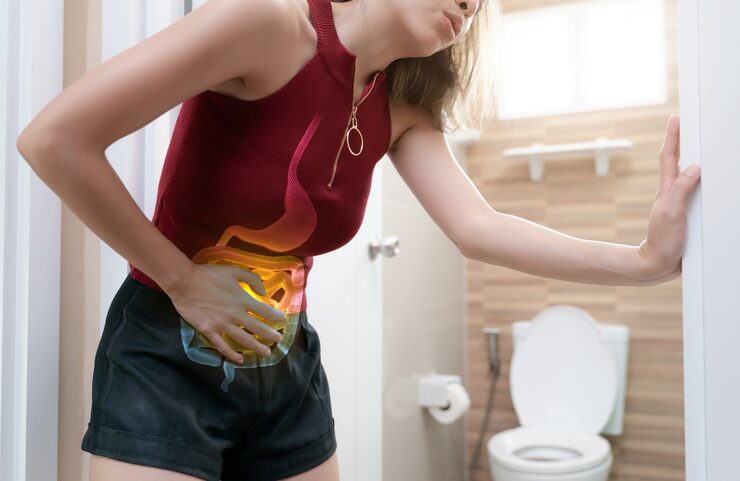
Constipation can make everyday life uncomfortable. You may experience stomach cramps, bloating, hard stools, or pain when trying to pass a bowel movement. Sometimes, the pressure and discomfort can make it difficult to focus on work, sleep comfortably, or enjoy your daily routine.
The good news is that mild constipation can often improve with simple changes to your diet and daily habits. Drinking enough fluids, eating fibre-rich foods, staying physically active, and following a regular toilet routine may help make stools softer and easier to pass.
However, constipation pain should not always be treated with home remedies. Severe or constant abdominal pain, vomiting, blood in the stool, or an inability to pass gas can indicate a more serious problem that needs urgent medical assessment.
In this guide, we explain how to relieve constipation pain naturally, which foods may help, what to know about Ayurvedic remedies, and when to seek medical advice.
What Is Constipation Pain?
Constipation pain refers to discomfort that occurs alongside difficulty passing stools. It may develop when stools become hard and dry, bowel movements become less frequent than usual, or you need to strain to empty your bowels.
Common symptoms associated with constipation include:
- Hard, dry, or lumpy stools.
- Difficulty or pain when passing stools.
- Stomach cramps or abdominal discomfort.
- Bloating and a feeling of fullness.
- Straining during bowel movements.
- A feeling that your bowel has not emptied completely.
Not everyone needs to have a bowel movement every day. What matters is whether your bowel habits have changed and whether you are experiencing difficulty, pain, or other symptoms.
Constipation may result from low fibre intake, inadequate fluid intake, reduced physical activity, changes in routine, certain medicines, or an underlying medical condition.
If your pain is severe, persistent, or unusual for you, do not assume that constipation is the only cause.
How to Relieve Constipation Pain Naturally
For mild constipation without warning signs, the following habits may help support more comfortable bowel movements.
1. Drink Enough Water and Other Fluids
Not drinking enough fluids can contribute to hard stools, particularly when your diet is low in fibre. Adequate fluid intake helps your body maintain normal hydration and allows dietary fibre to work more effectively.
What you can do:
- Drink water regularly throughout the day.
- Include fluids with meals.
- Consider soups and other suitable fluids as part of your daily routine.
- Increase your fluid intake when adding more fibre, unless your healthcare professional has advised you to restrict fluids.
You do not necessarily need to drink a large amount of water at once. Regular intake according to your needs is generally more practical.
Does warm water relieve constipation pain?
Some people prefer drinking warm water in the morning, but there is not strong evidence that warm water is more effective than room-temperature water for relieving constipation. The important consideration is maintaining adequate hydration.
If you have kidney disease, heart failure, or another condition requiring fluid restrictions, follow your healthcare professional’s advice.
2. Add Fibre-Rich Foods to Your Diet Gradually
Dietary fibre helps add bulk to stools and can support regular bowel movements. Certain types of fibre also help retain water, making stools softer and easier to pass.
However, increasing fibre too quickly may cause additional gas and bloating. A gradual approach is often more comfortable.
Fibre-rich foods commonly available in India include:
- Fruits: Pears, apples with their skin, oranges, and other suitable whole fruits.
- Vegetables: Carrots, green peas, leafy vegetables, and other seasonal vegetables.
- Whole grains: Oats, whole-wheat roti, and other whole-grain foods.
- Pulses and legumes: Moong dal, chickpeas, beans, and lentils.
- Nuts and seeds: Suitable portions of nuts and seeds as part of a balanced diet.
Try adding one or two fibre-rich foods to your usual meals instead of changing your entire diet overnight.
For example, you could choose oats for breakfast, include dal and vegetables at lunch, and eat a suitable whole fruit as a snack.
Important: If you have severe abdominal pain, vomiting, or an inability to pass gas, seek urgent medical assessment instead of trying to treat the symptoms by increasing fibre.
3. Stay Physically Active
Regular physical activity may help support normal bowel function. Long periods of sitting and a lack of movement can contribute to constipation in some people.
You do not necessarily need an intense workout to get started.
Try these simple habits:
- Take a comfortable walk each day, if you are able.
- Break up long periods of sitting with short movement breaks.
- Choose gentle activities that suit your fitness level.
- Maintain a regular activity routine rather than relying on occasional strenuous exercise.
For example, a short walk after a meal may help you establish a consistent daily routine.
Physical activity is not an instant treatment for constipation pain, and it should not delay medical care when symptoms are severe.
4. Follow a Regular Toilet Routine
Your bowel responds naturally to eating, and some people find it easier to pass stools after breakfast.
Developing a relaxed toilet routine may help reduce unnecessary straining.
Here are some practical tips:
- Respond when you feel the urge to pass stool instead of repeatedly delaying it.
- Allow enough time for a comfortable toilet visit.
- Try sitting on the toilet after breakfast if this fits your routine.
- Place your feet on a low, stable footstool so your knees are slightly higher than your hips.
- Relax your abdominal and pelvic muscles rather than forcing the stool out.
Avoid sitting on the toilet for long periods while straining.
If you repeatedly feel that stool is stuck or cannot empty your bowels despite trying these measures, consult a healthcare professional. Persistent difficulty may require assessment rather than additional home remedies.
5. Choose Foods That Support Easier Bowel Movements
Instead of searching for one special food that will relieve constipation immediately, focus on your overall eating pattern.
A balanced diet containing whole grains, vegetables, pulses, fruits, and adequate fluids can help support bowel regularity.
For example, a simple day of meals might include:
- Breakfast: Oats with fruit.
- Lunch: Whole-wheat roti, dal, and cooked vegetables.
- Snack: A whole fruit, such as a pear or apple.
- Dinner: A balanced meal containing vegetables and a suitable source of whole grains or pulses.
Adjust these choices according to your appetite, dietary needs, food tolerance, and medical conditions.
Some people find prunes or other fruits containing sorbitol helpful for constipation. However, individual responses vary, and some fruits may increase gas or bloating.
There is no single food that works for everyone. Consistency is more important than relying on a supposed miracle remedy.
6. Understand When Fibre Supplements or Laxatives May Help
Sometimes, dietary changes alone are not enough to relieve constipation. A healthcare professional or pharmacist may recommend a suitable fibre supplement or laxative, depending on your symptoms and medical history.
For example, psyllium husk, also known as Isabgol, is a fibre supplement that absorbs water and can help improve stool consistency.
However, fibre supplements need to be taken with appropriate fluids and may not be suitable for everyone. They can also worsen bloating in some people.
Other laxatives work differently, and the right option depends on the cause and severity of constipation.
Keep these precautions in mind:
- Follow the product instructions and professional advice.
- Do not combine multiple laxatives or supplements without appropriate guidance.
- Ask a healthcare professional before using laxatives if you are pregnant, have a significant medical condition, or are taking medicines that may affect bowel function.
- Do not take laxatives to self-treat severe abdominal pain, vomiting, or an inability to pass gas.
If constipation keeps returning or does not improve with appropriate self-care, seek medical advice to identify the cause.
7. Consider Ayurvedic Approaches With Appropriate Caution
Ayurveda traditionally discusses digestive health in relation to diet, daily habits, and individual constitution. Some people explore Ayurvedic formulations as part of their approach to constipation.
However, traditional use does not automatically establish that a remedy is effective or safe for every person.
For example, Triphala is a traditional Ayurvedic formulation made from three fruits, while Isabgol is a fibre supplement commonly used to support bowel regularity. These are different products with different properties, and their suitability depends on the individual and the formulation.
Before choosing an Ayurvedic product, consider the following:
- Check the complete ingredient list and recommended directions.
- Choose products from reputable manufacturers with appropriate quality controls.
- Ask a qualified healthcare professional about possible interactions with medicines.
- Seek professional advice if you are pregnant, breastfeeding, have a chronic illness, or experience recurring constipation.
- Avoid relying on herbal products to manage severe or unexplained abdominal pain.
There is not enough high-quality evidence to conclude that every Ayurvedic formulation reliably relieves constipation pain. More importantly, a remedy that changes bowel movements may not address the underlying cause of the pain.
Ayurvedic products should not replace necessary medical assessment or prescribed treatment.
A Simple Daily Routine to Support Constipation Relief
Small, consistent changes may be easier to maintain than trying several home remedies at once.
| Time of day | Helpful habit |
|---|---|
| Morning | Drink fluids according to your needs and eat a balanced breakfast. |
| After breakfast | Allow time for a relaxed toilet visit if you feel the urge. |
| During the day | Include fibre-rich foods gradually and maintain adequate hydration. |
| Afternoon or evening | Take a comfortable walk if your health allows it. |
| Throughout the day | Avoid repeatedly ignoring the urge to pass stool and avoid excessive straining. |
This routine is intended for general digestive support, not as a guaranteed treatment. You may need a different approach depending on the cause of your symptoms.
Why Does Constipation Pain Sometimes Not Improve With Home Remedies?
Constipation has several possible causes, so the same approach may not work for everyone.
Pain that continues despite dietary and lifestyle changes may be associated with:
1. Persistent constipation: Stools may remain hard or difficult to pass, particularly when the underlying cause has not been addressed.
2. Anal fissures: Small tears in the skin around the anus can cause sharp pain during bowel movements and sometimes bleeding.
3. Haemorrhoids: Swollen blood vessels around the anus may cause discomfort, itching, or bleeding.
4. Medication-related constipation: Certain medicines and supplements, including some iron supplements and opioid pain medicines, may contribute to constipation.
5. Other digestive or medical conditions: Abdominal pain can have causes unrelated to constipation, and persistent symptoms may need further investigation.
Do not stop prescribed medicines on your own. If you suspect that a medicine is contributing to constipation, discuss it with your healthcare professional.
If the pain persists, keeps returning, or affects your daily activities, arrange a medical assessment rather than continuing to try different remedies.
When Should You Seek Medical Help for Constipation Pain?
Natural approaches are not appropriate for every situation. Some symptoms may indicate a condition that requires urgent treatment.
Seek urgent medical assessment if constipation occurs with:
- Severe or constant abdominal pain.
- Vomiting.
- An inability to pass gas.
- Blood in the stool or rectal bleeding.
- Fever alongside significant abdominal symptoms.
Do not delay care to try water, fibre supplements, herbal remedies, or laxatives if these warning signs are present.
You should also arrange a medical appointment if constipation persists despite self-care, regularly returns, or is accompanied by unexplained weight loss, a significant change in bowel habits, or recurring abdominal discomfort.
Children, pregnant people, older adults, and people with significant medical conditions may need advice tailored to their circumstances.
Final Thoughts
Constipation pain can interfere with daily life, but mild symptoms may improve when you establish healthier bowel habits. Adequate fluids, gradual increases in fibre, regular movement, and a comfortable toilet routine are useful starting points for many people.
If you are considering an Ayurvedic formulation or fibre supplement, choose it carefully and seek professional advice when needed.
Most importantly, do not ignore severe, persistent, or unexplained pain. Natural remedies are not a substitute for medical assessment when warning signs are present.
Frequently Asked Questions
1. How can I relieve constipation pain naturally?
For mild constipation without warning signs, drinking adequate fluids, gradually increasing dietary fibre, staying active, and following a regular toilet routine may help make stools easier to pass. Severe or persistent pain needs medical assessment.
2. What is the fastest safe way to relieve constipation?
The most appropriate approach depends on the cause and severity of constipation. A pharmacist or healthcare professional can advise whether a suitable laxative is needed. There is no single natural remedy that guarantees immediate relief.
If you have severe abdominal pain, vomiting, or cannot pass gas, seek urgent medical assessment rather than taking a laxative on your own.
3. Can constipation cause stomach cramps?
Yes. Constipation may occur with abdominal discomfort, cramping, and bloating. However, severe or constant abdominal pain can have other causes and should not automatically be attributed to constipation.
4. Which Indian foods may help relieve constipation?
Foods such as oats, whole-wheat roti, dal, beans, vegetables, pears, and apples with their skin can contribute dietary fibre. Increase fibre gradually and drink adequate fluids. Individual needs and food tolerance vary.
5. Can constipation cause pain during bowel movements?
Yes. Hard stools and straining may cause discomfort during bowel movements. Sharp anal pain or bleeding may also occur with conditions such as anal fissures or haemorrhoids and may need medical evaluation.
6. Can constipation cause lower back pain?
Back pain may occur alongside constipation, but it is not specific to constipation and can have many other causes. New, severe, or persistent back pain—especially with other concerning symptoms—should be medically assessed.
7. Can Ayurvedic remedies help with constipation?
Some Ayurvedic formulations are traditionally used for digestive concerns, but evidence varies by product and preparation. Their safety also varies. Speak with a qualified healthcare professional before using them, especially if you take medicines or have an ongoing medical condition.
8. When should I see a doctor for constipation pain?
Seek urgent assessment for severe or constant abdominal pain, vomiting, inability to pass gas, or blood in the stool. Arrange a medical appointment if constipation does not improve with self-care, repeatedly returns, or comes with unexplained weight loss or changes in bowel habits.
Medical information and references
For further information about constipation symptoms and management, consult:
- National Institute of Diabetes and Digestive and Kidney Diseases (NIDDK): Treatment for Constipation
- NIDDK: Symptoms and Causes of Constipation
- NHS: Constipation
Editorial note: This article provides general health information and is not a substitute for an individual diagnosis or treatment plan. Have the final article reviewed by a suitably qualified healthcare professional before publication.