

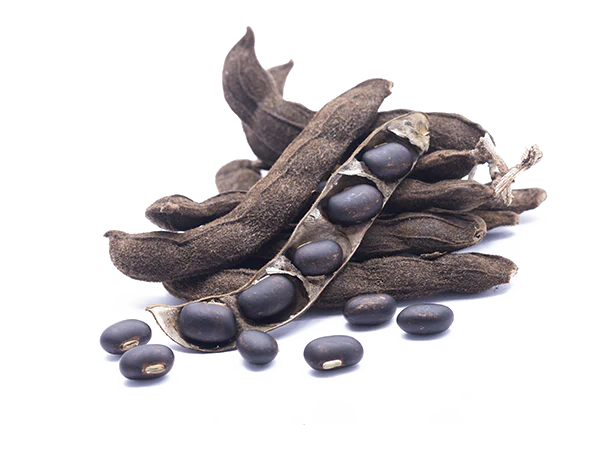
Kapikachhu, also known as Mucuna pruriens, is a classical Ayurvedic herb primarily used to improve male fertility, support the nervous system, and enhance energy levels. It works by nourishing the reproductive tissues and supporting natural dopamine production, making it useful in conditions like low sperm count, stress, and fatigue.
As an Ayurvedic doctor practicing at a Purushveda Ayurvedic clinic, I regularly prescribe Kapikachhu to patients dealing with conditions such as low sperm count, performance anxiety, chronic fatigue, and stress-related weakness.
In many of these cases, Kapikachhu becomes a key part of the treatment plan. What I have consistently observed is that this herb does not just act on physical strength, but also improves mental well-being when used correctly.
What is Kapikachhu?
Kapikachhu is a well-known herb in Ayurveda, traditionally used in Vajikarana therapy, which focuses on improving reproductive health and vitality.
- Ayurvedic Name: Kapikachhu / Kaunch Beej
- Botanical Name: Mucuna pruriens
- Family: Fabaceae
Ayurvedic Properties
According to Ayurvedic texts, Kapikachhu has a sweet and slightly bitter taste, with heavy and unctuous qualities. It has a warming potency and a nourishing post-digestive effect. These properties make it especially useful in balancing Vata dosha and strengthening the Shukra dhatu (reproductive tissue).
Health Benefits of Kapikachhu
Improves Male Fertility
In my clinical practice, Kapikachhu is most commonly used in men who are struggling with low sperm count or poor sperm quality. Over time, it helps nourish the reproductive tissues, and patients often show gradual improvement in both count and motility, especially when the condition is linked to stress or weakness.
Supports Dopamine and Mental Health
Kapikachhu naturally contains L-Dopa, which plays a role in supporting dopamine levels in the brain. I have seen that patients dealing with mental fatigue, lack of motivation, or stress often benefit from its calming and stabilizing effect on the mind.
Enhances Sexual Strength and Confidence
When patients report reduced sexual desire or performance-related concerns, Kapikachhu often becomes part of the treatment. It supports not only physical strength but also improves confidence, which is equally important in such conditions.
Strengthens the Nervous System
Kapikachhu has a grounding effect on the nervous system. In patients who experience anxiety, irritability, or disturbed sleep, it helps bring a sense of stability and calmness when used over a period of time.
Improves Energy and Physical Stamina
Patients who complain of low energy or frequent tiredness often respond well to Kapikachhu. It works gradually to improve stamina and physical strength, making it beneficial for those with demanding routines or active lifestyles.
Kapikachhu Dosage
Kapikachhu dosage should always be individualized rather than fixed.
In general, a daily dose of around 3 to 5 grams of the powder is considered safe for most individuals. However, in my practice, I always adjust the dosage based on the patient’s body type (prakriti), digestion, and the severity of the condition.
This personalized approach helps achieve better results while minimizing the chances of any discomfort.
Kapikachhu Side Effects
When used in the correct dosage and with proper guidance, Kapikachhu is usually well tolerated.
However, I have occasionally seen mild issues like nausea or headache in patients who take it in excess or without proper guidance. These effects are generally temporary and can be avoided by using the herb correctly.
People with a naturally high Pitta constitution or specific medical conditions should use it cautiously and ideally under supervision.
Scientific View of Kapikachhu
Modern research has also explored the benefits of Kapikachhu, especially due to its natural L-Dopa content.
This compound plays an important role in dopamine production, which explains its effects on mood, motivation, and neurological health. Some studies also suggest improvements in fertility parameters, which aligns with what we observe in Ayurvedic practice.
Ayurvedic Classical References
Kapikachhu is described in classical Ayurvedic texts such as Charaka Samhita and Bhavaprakasha Nighantu.
It is categorized as a Vrishya (aphrodisiac) and Balya (strength-promoting) herb, known for its ability to enhance reproductive health and overall vitality.
My Clinical Experience
In my Purshveda clinic, I once treated a 32-year-old male patient who came with low sperm count and persistent fatigue. After evaluating his condition, I included Kapikachhu as part of a broader Ayurvedic treatment plan.
Over the next three months, he showed noticeable improvement not only in his reports but also in his overall energy and confidence. Cases like this are quite common in my practice, especially when the treatment is followed consistently.
Conclusion
Kapikachhu is not just a general wellness supplement—it is a deeply acting Ayurvedic herb that supports both the body and the mind.
In my experience, its effectiveness depends largely on how it is used. When taken in the right dosage, in the right form, and as part of a well-planned Ayurvedic approach, it can deliver meaningful and lasting results.
For best outcomes, it is always advisable to use Kapikachhu under proper Ayurvedic guidance rather than self-medicating.
Is Kapikachhu safe for daily use?
Yes, it can be used daily when taken in the correct dosage and under proper guidance.
How long does it take to show results?
Most people begin to notice changes within 4 to 6 weeks, while deeper benefits may take up to 3 months.
Can women take Kapikachhu?
Yes, but it should be used carefully and preferably under the supervision of an Ayurvedic doctor, especially in hormonal conditions.
Is Kapikachhu the same as Kaunch Beej?
Yes, both names refer to the same herb.
Does Kapikachhu increase testosterone?
It may support hormonal balance indirectly by improving overall reproductive health and reducing stress.
