Digestive discomfort, bloating, and heaviness after meals are common concerns in today’s fast-paced lifestyle. Ayurvedic Herbs for Digestion have been traditionally used in Ayurveda to support healthy digestion, maintain gut balance, and promote overall wellness naturally. Along with mindful eating habits and a balanced lifestyle, certain herbs may help support digestive comfort and reduce occasional bloating.
According to Ayurveda, digestion is closely connected with “Agni” (digestive fire). When Agni becomes weak or imbalanced, symptoms such as gas, bloating, indigestion, and heaviness may occur. Ayurvedic herbs are traditionally used to help maintain digestive balance and support normal gastrointestinal function.
Understanding Bloating in Ayurveda
In Ayurveda, bloating is commonly associated with aggravated Vata dosha and weak digestive fire. Symptoms may include:
- Excess gas
- Abdominal fullness
- Burping
- Irregular appetite
- Heaviness after meals
- Constipation or sluggish bowel movement
Modern lifestyle factors such as eating too quickly, late-night meals, excessive cold foods, stress, and overeating can aggravate these symptoms.
Top Ayurvedic Herbs for Digestion and Bloating
1. Ginger (Adrak)
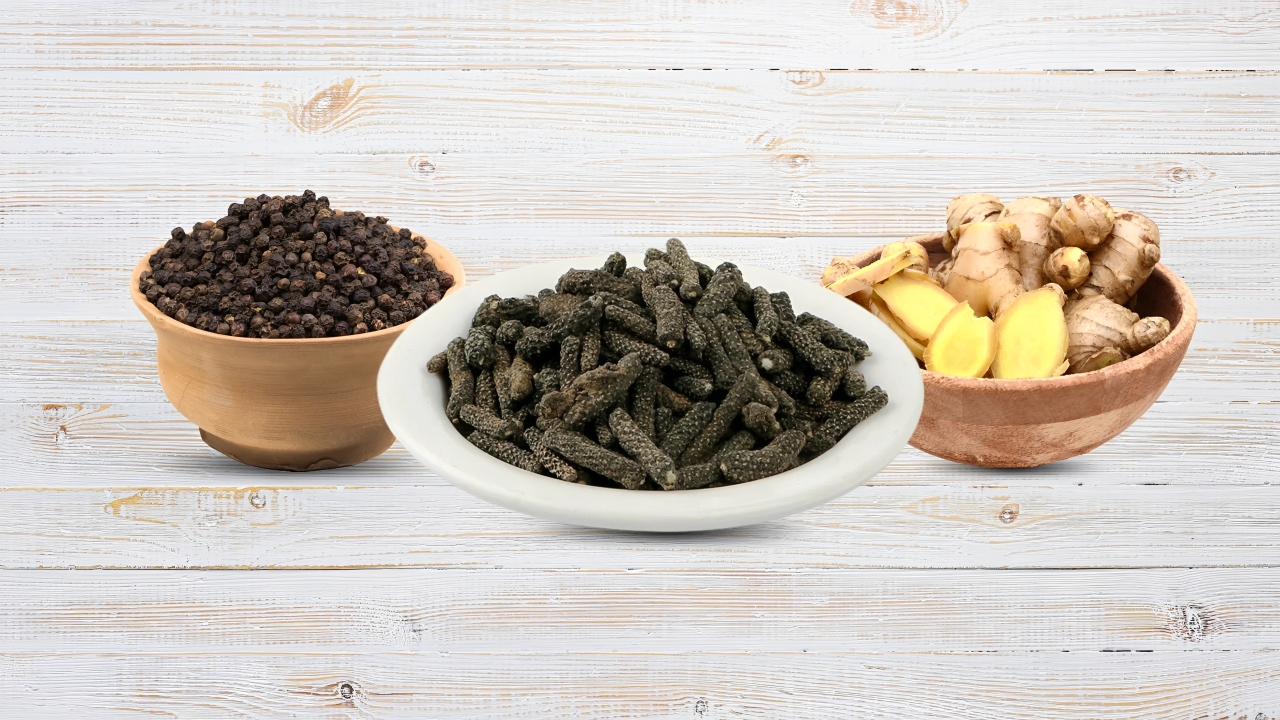
Ginger is one of the most widely used Ayurvedic herbs for digestive support. It is traditionally used to help stimulate digestion and support gut comfort.


Potential Benefits
- Helps support healthy digestion
- Traditionally used for gas and bloating
- May help reduce heaviness after meals
- Commonly used in herbal teas and digestive blends
How to Use
- Ginger tea after meals
- Fresh ginger with warm water
- Dry ginger powder in herbal preparations
Ayurvedic guidelines also mention warm water infused with herbs like dry ginger (Saunth) for digestive wellness.
2. Fennel Seeds (Saunf)
Fennel is traditionally consumed after meals in India to support digestive comfort.


Potential Benefits
- Traditionally used to reduce gas
- Supports comfortable digestion
- Cooling and soothing in nature
- Commonly used after meals
How to Use
- Chew 1 teaspoon after meals
- Fennel tea or infused water
Many Ayurvedic digestive practices recommend fennel for bloating and digestive ease.
3. Cumin (Jeera)
Cumin is commonly used in Ayurveda and Indian kitchens for digestive support.


Potential Benefits
- Helps support digestive function
- Traditionally used for bloating and cramps
- Often included in digestive teas
- May help improve appetite
How to Use
- Jeera water
- Cumin tea
- Add to soups and meals
Warm water prepared with Jeera seeds is also mentioned in AYUSH dietary recommendations.
4. Ajwain (Carom Seeds)
Ajwain is a traditional household remedy widely used for digestive discomfort.


Potential Benefits
- Traditionally used for gas and indigestion
- Supports digestive comfort after heavy meals
- Commonly used in Ayurvedic home remedies
How to Use
- Ajwain water
- Roasted ajwain with warm water
- Herbal digestive mixtures
Ajwain is frequently included in Ayurvedic digestive formulations and home remedies for bloating support.
5. Triphala
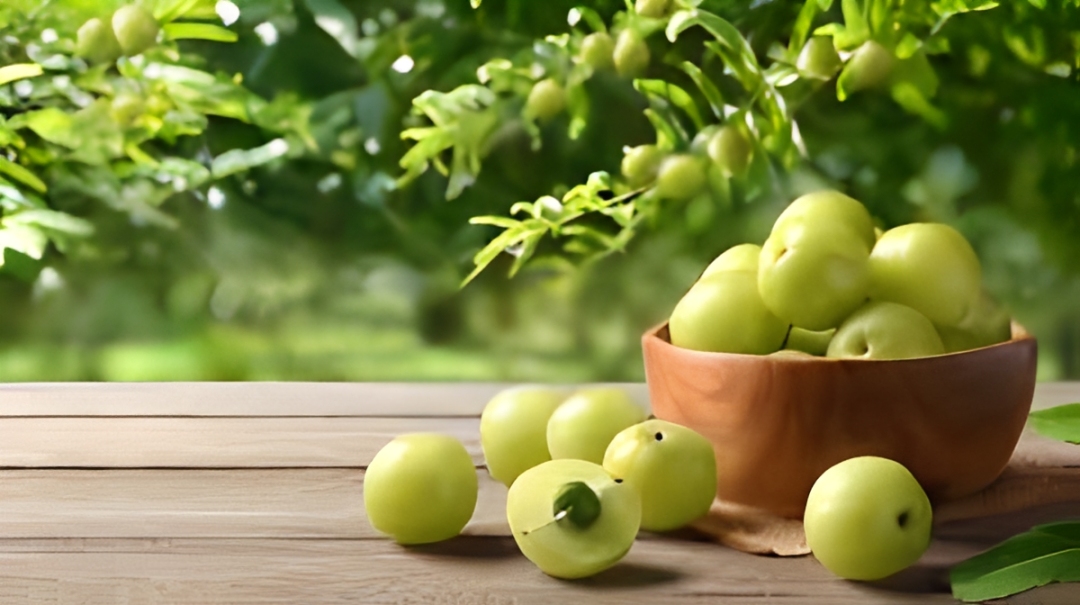
Triphala is a classical Ayurvedic formulation made from three fruits — Amla, Haritaki, and Bibhitaki.


Potential Benefits
- Traditionally used to support gut health
- Supports regular bowel movements
- Commonly used for digestive balance
- Widely used in Ayurvedic wellness practices
How to Use
- Triphala powder with warm water
- Triphala tablets or capsules as advised by a qualified practitioner
Ayurvedic sources describe Triphala as supportive for balanced digestion and colon wellness.
6. Coriander (Dhania)
Coriander is valued in Ayurveda for its cooling and digestive-supportive properties.


Potential Benefits
- Traditionally used for acidity and bloating
- Cooling effect on digestion
- Helps support appetite and comfort
How to Use
- Coriander seed water
- Herbal tea
- Added in daily cooking
Ayurvedic practitioners often recommend coriander for gentle digestive support.
Ayurvedic Tips to Reduce Bloating Naturally
Follow Mindful Eating Habits
Ayurveda emphasizes:
- Eating freshly cooked food
- Avoiding overeating
- Eating meals at regular times
- Chewing food properly
- Avoiding late-night heavy meals
Drink Warm Water
Warm water is traditionally preferred in Ayurveda to support digestion and help maintain digestive balance. Herbal-infused warm water with ginger, cumin, or coriander is commonly used.
Avoid Incompatible Food Combinations
Ayurveda discusses certain food combinations that may affect digestion, such as:
- Fruits with milk
- Heavy fried foods with dairy
- Overeating processed foods
Stay Active After Meals
A gentle walk after meals may help support healthy digestion and reduce heaviness.
When to Consult a Healthcare Professional
Occasional bloating is common, but persistent digestive discomfort may require medical attention. Consult a qualified healthcare professional if you experience:
- Severe abdominal pain
- Persistent bloating
- Sudden weight loss
- Blood in stool
- Ongoing digestive discomfort
Ayurvedic herbs should be used responsibly and preferably under the guidance of a qualified Ayurvedic practitioner, especially during pregnancy, breastfeeding, or if you have underlying medical conditions.
Conclusion
Ayurveda offers a holistic approach to digestive wellness through herbs, mindful eating, and balanced lifestyle practices. Herbs like Ginger, Fennel, Cumin, Ajwain, Triphala, and Coriander have traditionally been used to support digestion and help manage bloating naturally.
Combining healthy eating habits with Ayurvedic digestive herbs may help support overall gut comfort and digestive balance as part of a healthy lifestyle.