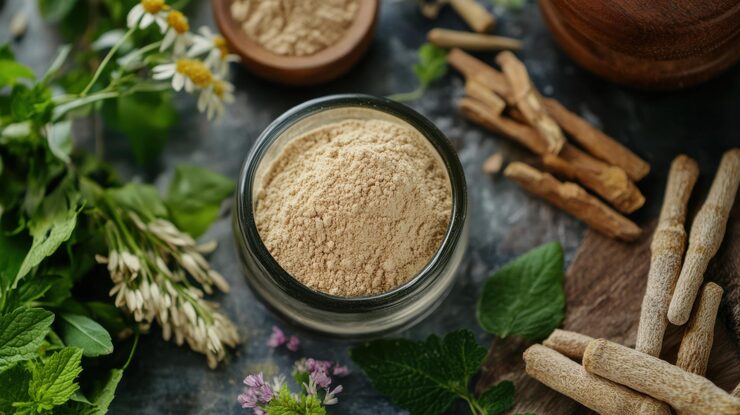
Ayurveda has long used herbal combinations to support overall wellness, balance stress, and nourish the body naturally. Two of the most popular Ayurvedic herbs today are Ashwagandha and Shatavari. Many people wonder whether these herbs can be taken together and if combining them offers better results.The answer is yes — Ashwagandha and Shatavari can generally be taken together when used in the right dosage and under proper guidance. In Ayurveda, this combination is often valued for supporting energy, hormonal balance, reproductive wellness, stress management, and overall vitality.
What Is Ashwagandha?


Ashwagandha, scientifically known as Withania somnifera, is a well-known Ayurvedic adaptogenic herb. It is traditionally used to help the body manage stress, improve stamina, support immunity, and promote mental wellness.
Common Benefits of Ashwagandha
- Helps reduce stress and cortisol levels
- Supports better sleep quality
- Enhances energy and stamina
- Supports muscle strength and recovery
- May improve focus and cognitive function
- Supports male reproductive wellness
Research and Ayurvedic references suggest Ashwagandha may help improve resilience to physical and mental stress.
What Is Shatavari?

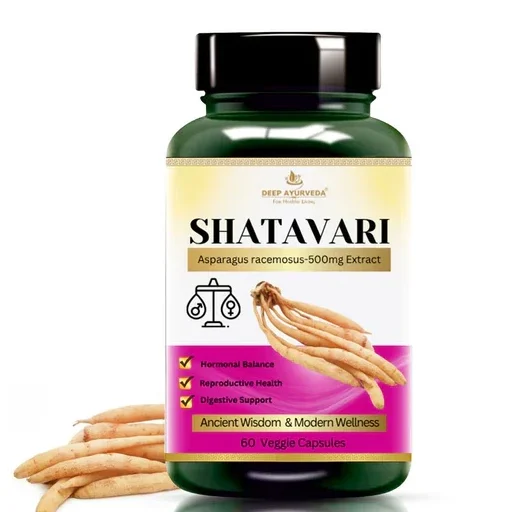
Shatavari (Asparagus racemosus) is considered one of the most important rejuvenating herbs in Ayurveda, especially for women’s wellness. It is traditionally used for hormonal support, reproductive health, digestion, and cooling nourishment.
Common Benefits of Shatavari
- Supports hormonal balance
- Helps maintain reproductive wellness
- Supports digestion and gut health
- Helps promote strength and vitality
- May support immunity
- Traditionally used as a rejuvenating herb
According to Ayurvedic literature, Shatavari is known for its nourishing and cooling properties.
Can You Take Ashwagandha and Shatavari Together?
Yes, many Ayurvedic practitioners combine Ashwagandha and Shatavari because they complement each other well. Ashwagandha is considered warming and energizing, while Shatavari is cooling and nourishing. Together, they may help create balanced support for the body and mind.
In Ayurveda, this combination is often used to support:
- Stress management
- Physical strength
- Hormonal wellness
- Reproductive health
- Energy and stamina
- Overall rejuvenation
Benefits of Taking Ashwagandha and Shatavari Together
1. Supports Stress and Mental Wellness
Ashwagandha is widely known for its adaptogenic properties that may help the body cope with stress. Shatavari provides nourishing support that may help calm the nervous system. Together, they may help support emotional balance and relaxation.
2. May Improve Energy and Stamina
This Ayurvedic combination is commonly used to support physical endurance and vitality. Ashwagandha may help improve stamina and muscle recovery, while Shatavari supports nourishment and strength.
3. Supports Hormonal Balance
Shatavari is traditionally associated with women’s hormonal health, while Ashwagandha may help support stress-related hormonal balance. Together, they may help maintain overall hormonal wellness in both men and women.
4. May Support Reproductive Wellness
In Ayurveda, both herbs are considered rejuvenating herbs that support reproductive vitality. Ashwagandha is commonly linked with male wellness, while Shatavari is traditionally valued for female reproductive support.
5. Helps Promote Better Sleep
Ashwagandha may support restful sleep by helping reduce stress levels. When combined with Shatavari’s calming properties, the blend may help support relaxation and healthy sleep patterns.
Recommended Dosage Guide
The ideal dosage depends on age, body type, health condition, and supplement form. However, commonly used Ayurvedic dosages include:
| Herb | Common Daily Dosage |
| Ashwagandha Powder | 3–6 grams daily |
| Shatavari Powder | 3–6 grams daily |
| Capsules/Tablets | Follow label instructions |
Some sources recommend starting with lower doses to assess tolerance.
Best Ways to Take Them
- With warm milk
- With honey
- After meals
- In powder, capsule, or tablet form
Are There Any Side Effects?
Although generally considered safe for many adults, these herbs may not be suitable for everyone.
Possible Side Effects
- Digestive discomfort
- Drowsiness
- Mild stomach upset
- Allergic reactions in sensitive individuals
Who Should Avoid Taking Them?
- Pregnant or breastfeeding women without medical advice
- People with autoimmune disorders
- Individuals with thyroid conditions
- Those taking sedatives or hormonal medications
Ashwagandha may affect thyroid activity and immune response, while Shatavari may influence hormone-sensitive conditions.
Best Time to Take Ashwagandha and Shatavari
Morning
Best for:
- Energy support
- Daily vitality
- Workout recovery
Night
Best for:
- Stress relief
- Relaxation
- Better sleep support
Ayurvedic practitioners often recommend taking these herbs consistently for several weeks for better results.
Ayurvedic Perspective on Combining These Herbs
In Ayurveda, Ashwagandha and Shatavari are considered Rasayana herbs, meaning they support rejuvenation and long-term wellness. Ashwagandha is often used for strength and resilience, while Shatavari is valued for nourishment and cooling balance. Together, they may help maintain equilibrium between body and mind.
Final Thoughts
Ashwagandha and Shatavari can generally be taken together as part of a balanced Ayurvedic wellness routine. This herbal combination may support stress management, stamina, hormonal balance, reproductive wellness, and overall vitality.
However, dosage and suitability may vary from person to person. For long-term use or specific medical conditions, it is always best to consult a qualified Ayurvedic practitioner or healthcare professional before starting any herbal supplement routine.
FAQs
Can men take Ashwagandha and Shatavari together?
Yes, both herbs are traditionally used for men’s wellness, stamina, vitality, and reproductive health support.
Can women use Ashwagandha and Shatavari together?
Yes, many Ayurvedic formulations combine these herbs for hormonal and reproductive wellness support.
How long does it take to see results?
Results vary depending on the individual, lifestyle, dosage, and consistency. Some people may notice changes within a few weeks.
Can I take Ashwagandha and Shatavari daily?
Many people use them daily in moderate amounts, but long-term use should ideally be supervised by a healthcare professional.
Is it safe to take Ashwagandha and Shatavari with milk?
Yes, Ayurveda traditionally recommends taking these herbs with warm milk for better nourishment and absorption.