
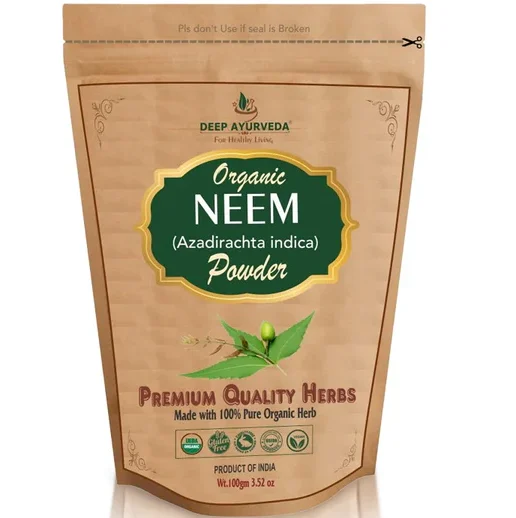
Deep Ayurveda Organic Neem Powder
🌿 Clear Skin
✨ Natural Glow 🛡️ Skin Purity 💆 Healthy Scalp 🌱 Hair Care 🍃 Herbal Wellness 🌿 Organic Neem 💚 Ayurvedic Care 🧴 Face Packs 🌸 Beauty Rituals 🌿 Plant-Based Ayurvedic | Lab-Tested
Neem Powder is one of the most widely used Ayurvedic herbal powders in India. Derived from the dried leaves of the neem tree (Azadirachta indica), it has been valued for centuries in Ayurveda for supporting skin health, scalp care, oral hygiene, and overall wellness. Neem is often referred to as the “Village Pharmacy” because almost every part of the tree has traditional medicinal uses.
Today, neem powder is commonly used in face packs, hair masks, herbal formulations, and personal care products due to its natural cleansing and purifying properties.
What is Neem Powder?
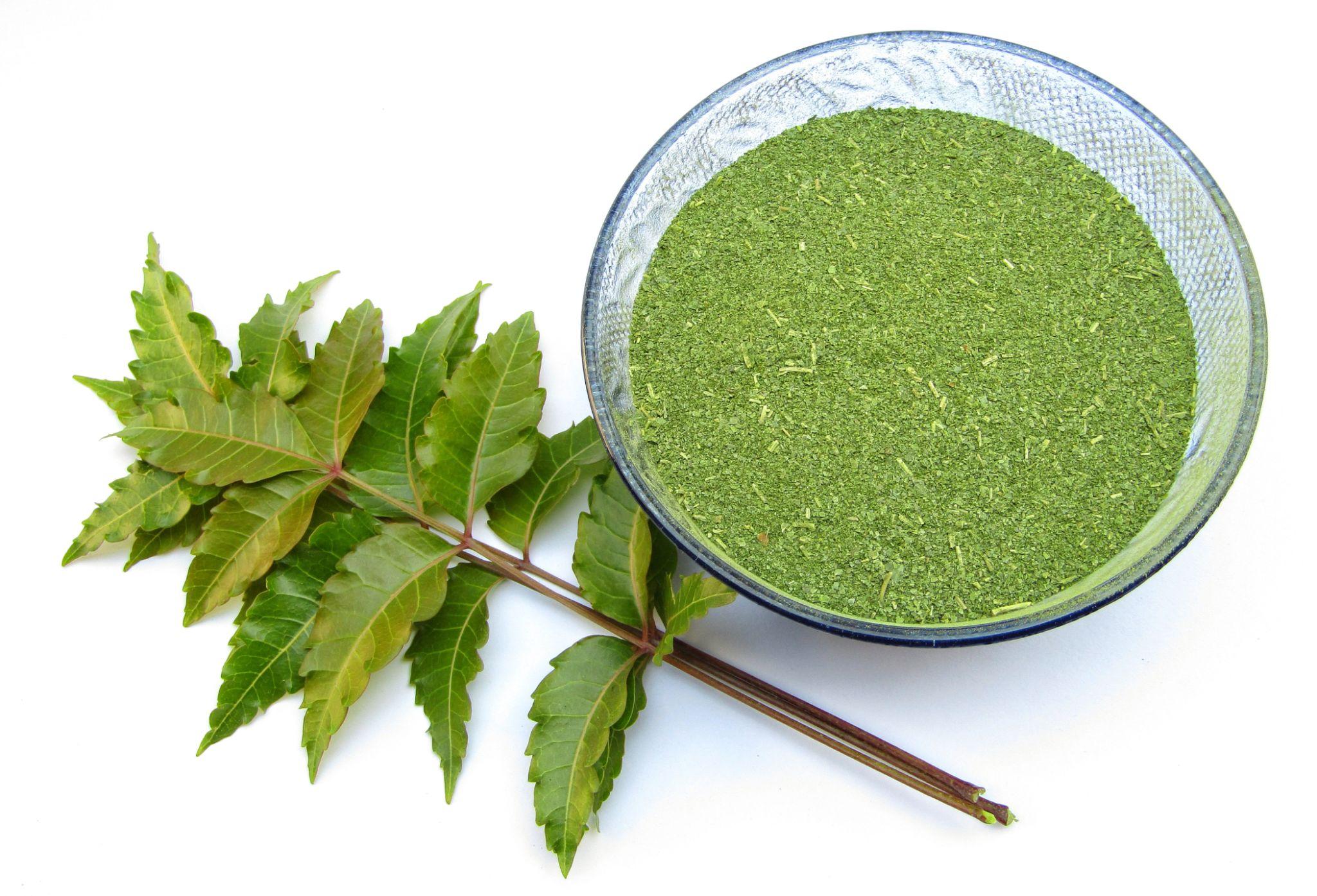
Neem Powder is a fine green herbal powder prepared by drying and grinding neem leaves. The neem tree belongs to the species Azadirachta indica, which is native to the Indian subcontinent. The leaves contain several naturally occurring bioactive compounds, including nimbin, nimbidin, nimbolide, quercetin, and azadirachtin, which contribute to neem’s traditional uses.
Botanical Information
| Attribute | Details |
| Botanical Name | Azadirachta indica |
| Common Names | Neem, Indian Lilac, Nimba |
| Family | Meliaceae |
| Part Used | Primarily leaves |
| Form | Powder, capsules, tablets, extracts |
Traditional Ayurvedic Perspective
In Ayurveda, neem is known as Nimba and is traditionally valued for its:
- Tikta (bitter) taste
- Cooling properties
- Cleansing and purifying nature
- Support for healthy skin and scalp
- Maintenance of balanced Pitta and Kapha doshas
Ancient Ayurvedic texts describe neem as a herb that supports healthy skin, oral hygiene, and overall wellness when used appropriately under professional guidance.
Benefits of Neem Powder
1. Supports Healthy Skin
Neem powder is widely used in skincare due to its cleansing and purifying properties. It is commonly included in face packs and herbal skincare preparations for oily and acne-prone skin.
Common Uses for Skin
- Face masks
- Herbal cleansers
- Spot applications
- Bath blends
2. Promotes Scalp and Hair Health
Neem powder is frequently used in hair care routines. It may help maintain a clean scalp and is traditionally used in herbal hair masks.
Hair Benefits
- Supports scalp hygiene
- Helps manage dandruff-prone scalp
- Maintains healthy hair roots
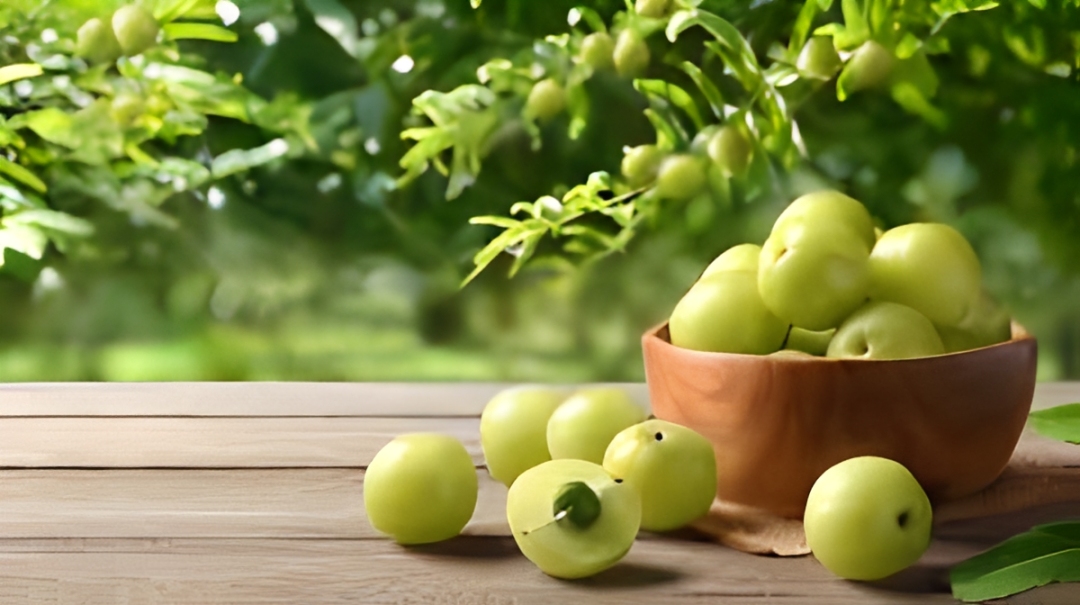
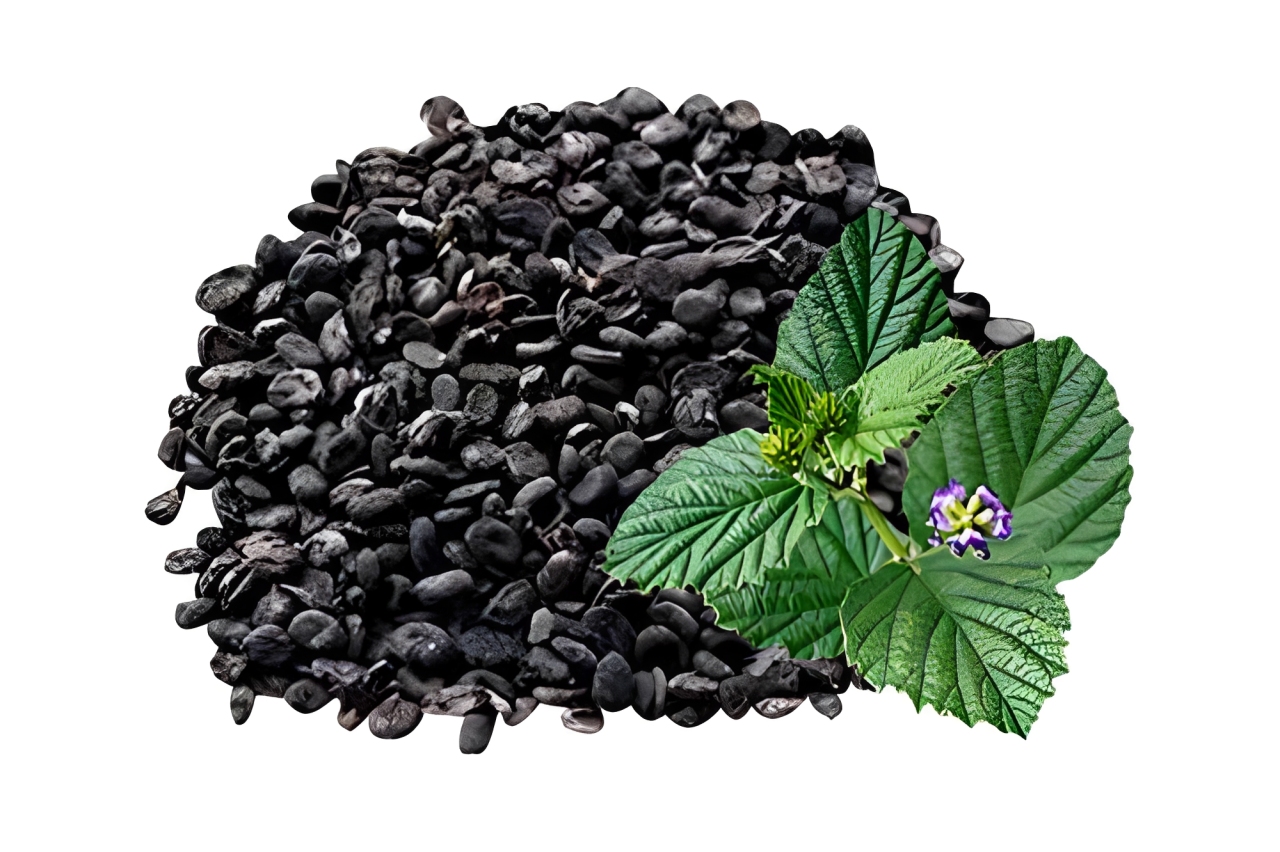
- Can be combined with amla and bhringraj powders
3. Supports Oral Hygiene
Neem has a long history of use in traditional oral care practices. Neem twigs have traditionally been used for cleaning teeth, and neem powder is included in some herbal tooth powders and mouth rinses.
Oral Care Applications
- Herbal tooth powder
- Mouth rinse preparations
- Gum care routines
4. Provides Natural Antioxidants
Neem leaves contain naturally occurring antioxidant compounds such as quercetin and polyphenols. Antioxidants help protect cells from oxidative stress caused by free radicals.
5. Supports General Wellness
In traditional Ayurveda, neem is used as part of various wellness practices. Modern research continues to explore its biological properties, including antimicrobial, antioxidant, and anti-inflammatory activities. However, more high-quality clinical studies are needed to confirm many health claims.
How to Use Neem Powder
For Face Pack
Ingredients
- 1 teaspoon Neem Powder
- Rose water or plain water
Method
- Mix neem powder with rose water.
- Make a smooth paste.
- Apply evenly to the face.
- Leave for 10–15 minutes.
- Rinse thoroughly with water.
For Hair Mask
Ingredients
- 2 tablespoons Neem Powder
- Water, aloe vera gel, or curd
Method
- Prepare a smooth paste.
- Apply to scalp and hair.
- Leave for 20–30 minutes.
- Wash with a mild shampoo.
For Bath Use
Mix a small quantity of neem powder into bath water or herbal bath preparations for external use.
Nutritional and Phytochemical Components
Neem leaves contain:
- Nimbin
- Nimbidin
- Nimbolide
- Azadirachtin
- Quercetin
- Flavonoids
- Polyphenols
These compounds are being studied for their potential biological activities.
Safety and Precautions
While neem powder is generally used externally in traditional practices, it is important to use it responsibly.
Important Safety Considerations
- Perform a patch test before topical use.
- Avoid contact with eyes.
- Discontinue use if irritation occurs.
- Pregnant and breastfeeding women should consult a qualified healthcare professional before using neem-based supplements.
- Individuals with existing medical conditions should seek medical advice before internal consumption.
- Keep out of reach of children.
Possible Side Effects
Some individuals may experience:
- Skin irritation
- Redness
- Itching
- Dryness after topical application
These effects are generally uncommon but may occur in sensitive individuals.
Conclusion
Neem Powder remains one of India’s most trusted Ayurvedic herbs for skincare, hair care, oral hygiene, and general wellness. Made from the leaves of the neem tree (Azadirachta indica), it offers natural cleansing and antioxidant properties that have been recognized in traditional Ayurvedic practices for centuries. While neem powder can be a valuable addition to a wellness routine, it should be used responsibly and according to professional guidance, especially when intended for internal use.
FAQs
Is Neem Powder good for acne-prone skin?
Neem powder is commonly used in traditional skincare routines for oily and acne-prone skin because of its cleansing properties.
Can Neem Powder be used on hair?
Yes. Neem powder is frequently used in herbal hair masks to support scalp cleanliness and hair care routines.
How often can Neem Powder be used?
For external applications such as face packs or hair masks, many people use it 1–2 times per week depending on skin and scalp tolerance.
Is Neem Powder safe for daily use?
External use is generally well tolerated when used appropriately. Internal consumption should only be undertaken according to product directions and professional advice.
References
- National Center for Biotechnology Information (NCBI) – Neem: A Tree for Solving Global Problems. (NCBI)
- WebMD – Neem: Uses, Side Effects, Precautions & Reviews. (WebMD)
- Drugs.com – Neem Uses, Benefits & Dosage. (Drugs.com)
- Medical News Today – Neem Oil and Traditional Uses. (MedicalNewsToday)
- Healthline – Neem Benefits and Safety Overview. (Healthline)