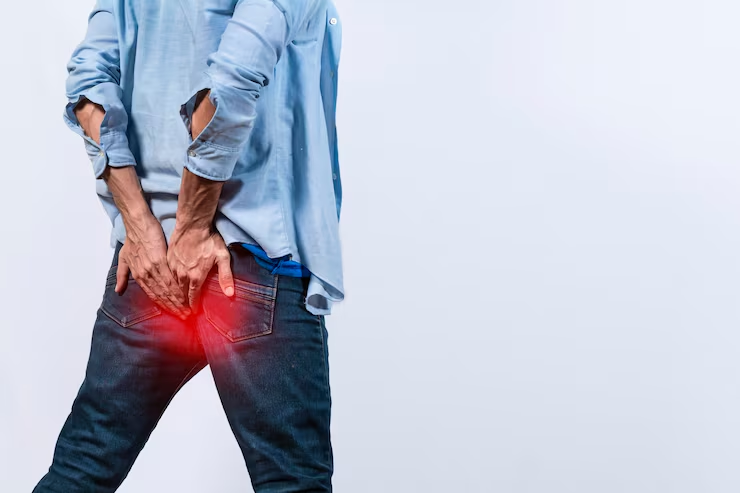
Piles, also known as haemorrhoids, are a common anorectal condition that can cause discomfort, itching, swelling and bleeding during bowel movements. Although many people feel embarrassed discussing these symptoms, piles are a common health concern that can often be managed with appropriate care and lifestyle changes.
Many people search for Ayurvedic medicine for piles because they want to understand traditional treatment options and ways to manage their symptoms. Ayurveda describes piles as Arsha and has traditionally discussed different approaches to managing this condition, including medicines, dietary recommendations and specialised procedures.
However, there is no single Ayurvedic medicine suitable for everyone. The appropriate approach depends on the type of piles, symptom severity, medical history and individual health requirements.
In this guide, we will explore the Ayurvedic perspective on piles, commonly discussed treatment approaches, their potential benefits, dietary recommendations and important precautions. We will also explain when medical treatment may be necessary.
What Are Piles (Haemorrhoids)?
Piles, medically known as haemorrhoids, are swollen or enlarged vascular cushions inside or around the anus and lower rectum. These cushions are naturally present in the body and help with bowel control. Problems can develop when their supporting tissues become weakened or the cushions become enlarged and symptomatic.
Piles may cause bleeding, itching, irritation, swelling and discomfort, particularly during bowel movements.
What Are the Different Types of Piles?
Piles are generally classified into two main types:
1. Internal Piles
Internal piles develop inside the anal canal or lower rectum. They are often painless, even when bleeding occurs. Some internal piles may gradually protrude through the anal opening during bowel movements.
2. External Piles
External piles develop underneath the skin around the anus. They may cause itching, swelling, tenderness and discomfort. When a blood clot develops inside an external pile, it is called a thrombosed external haemorrhoid and can cause sudden, significant pain.
What Are the Four Grades of Internal Piles?
Internal haemorrhoids are classified into four grades according to how far they protrude.
| Grade | Description |
|---|---|
| Grade I | Piles remain inside the anal canal and do not prolapse |
| Grade II | Piles protrude during bowel movements but return inside naturally |
| Grade III | Piles protrude and may need to be gently pushed back inside by a clinician or patient following medical advice |
| Grade IV | Piles remain prolapsed and cannot be pushed back inside |
Understanding the grade helps healthcare professionals assess the condition and determine appropriate treatment options.
What Are the Common Symptoms of Piles?
The symptoms of piles can differ depending on their type and severity.
Some commonly reported symptoms include:
- Bright red bleeding: Blood may appear on toilet paper, the surface of stools or in the toilet bowl after passing stool.
- Itching and irritation: The skin around the anus may become uncomfortable or irritated.
- Swelling: A lump or swelling may develop around the anal opening.
- Pain or discomfort: External piles, particularly thrombosed piles, may cause pain when sitting or passing stool.
- Prolapse: Internal piles may protrude through the anal opening during bowel movements.
- Mucus discharge: Some people experience mucus around the anal opening.
An important point is that rectal bleeding should never automatically be assumed to be caused by piles. Anal fissures, inflammatory bowel conditions, polyps and colorectal cancer can also cause bleeding. Medical assessment is important, particularly when bleeding is new, persistent or recurrent.
What Causes Piles? Understanding the Common Risk Factors
Piles can develop due to several factors that increase pressure around the lower rectum and anal region or affect the supporting tissues.
Some common contributing factors include:
1. Chronic Constipation
Hard stools and repeated straining during bowel movements can increase pressure around the anal region.
2. Low-Fibre Diet
A diet lacking sufficient fibre may contribute to hard stools and constipation.
3. Prolonged Sitting on the Toilet
Spending excessive time on the toilet, especially while straining, may increase pressure around the anal canal.
4. Pregnancy
Pregnancy can increase pressure in the pelvic region and contribute to constipation, making piles more likely.
5. Chronic Diarrhoea
Frequent bowel movements and repeated irritation can contribute to haemorrhoidal symptoms.
6. Age-Related Changes
The supporting tissues around the rectum and anus may weaken with age.
7. Excessive Straining During Bowel Movements
Repeated straining can contribute to the enlargement and prolapse of haemorrhoidal cushions.
Understanding these factors is important because managing constipation, improving bowel habits and maintaining a healthy lifestyle can help reduce symptoms and the risk of recurrence.
What Is the Ayurvedic Perspective on Piles (Arsha)?
In Ayurveda, piles are traditionally described as Arsha. Classical Ayurvedic texts discuss this condition in relation to digestive health, bowel habits and the balance of the body’s doshas.
Ayurvedic literature describes different approaches to Arsha depending on the individual’s symptoms, condition and clinical assessment.
Understanding Arsha in Ayurveda
The traditional Ayurvedic understanding of Arsha considers several factors, including:
- Digestive function or Agni.
- Dosha-related patterns.
- Bowel habits and elimination.
- Dietary practices.
- Individual constitution and health history.
Ayurvedic practitioners may assess these factors when developing an individualised management plan.
It is important to understand that traditional Ayurvedic classifications are not identical to modern medical classifications of internal and external haemorrhoids.
What Role Do Agni and Apana Vata Play?
In Ayurvedic theory, Agni refers to digestive and metabolic functions, while Apana Vata is associated with downward-moving bodily processes, including bowel elimination.
Traditional Ayurvedic explanations may consider disturbances in these functions when discussing constipation and Arsha.
From a modern medical perspective, constipation, hard stools and repeated straining are recognised factors that can contribute to haemorrhoidal symptoms.
These are two different explanatory frameworks and should not be treated as scientifically interchangeable.
How Does an Ayurvedic Doctor Assess Arsha?
An Ayurvedic practitioner may consider:
- Nature and duration of symptoms.
- Presence of constipation or irregular bowel movements.
- Dietary habits.
- Digestive complaints.
- Medical history.
- Current medicines and other health conditions.
- General physical examination and relevant clinical findings.
A proper medical assessment is particularly important when rectal bleeding or persistent pain is present.
Ayurvedic Medicine for Piles: What Are the Available Treatment Options?
Ayurveda describes several traditional approaches to managing Arsha. These include classical formulations, supportive preparations, dietary recommendations and specialised procedures.
The choice of treatment should depend on an appropriate diagnosis and individual assessment rather than selecting a medicine simply because it is advertised for piles.
1. Classical Ayurvedic Formulations for Arsha
Classical Ayurvedic literature discusses different formulations for Arsha. Their traditional use may vary according to symptoms and the practitioner’s assessment.
Some formulations discussed in recognised Ayurvedic references include:
Kankayana Vati
Kankayana Vati is a classical Ayurvedic formulation discussed in traditional literature concerning Arsha. Its use should be determined by a qualified Ayurvedic practitioner after assessing the individual’s condition.
Other Classical Ayurvedic Preparations
Certain traditional preparations may be considered as part of an individualised treatment plan, particularly when constipation and digestive complaints are also present.
The formulation, ingredients, quality, suitability and safety profile should always be considered.
An Important Safety Consideration: Traditional references describing a formulation do not establish that it is effective or safe for every patient. Some preparations may contain mineral or metallic ingredients. Their composition, manufacturing quality and potential risks must be carefully evaluated.
Do not start, combine or change Ayurvedic medicines without professional guidance.
2. Ayurvedic Local Applications and Supportive Preparations
Traditional Ayurvedic practice also discusses selected local applications and supportive preparations for Arsha.
Their use depends on the type of condition, the formulation and the intended route of application.
Products intended for external application should not automatically be used internally. Similarly, rectal applications and enemas should only be considered under appropriate clinical supervision.
3. Kshara Karma and Other Specialised Ayurvedic Procedures
Ayurvedic literature describes four broad approaches to Arsha:
- Bheshaja: Medicinal or conservative management.
- Kshara: Use of specially prepared alkaline substances in a clinical procedure.
- Agni: Therapeutic cauterisation.
- Shastra: Surgical management.
Kshara Sutra is another specialised Ayurvedic procedural approach that is discussed in the management of selected anorectal conditions.
These procedures are not ordinary home remedies. They require proper patient selection, trained practitioners, sterile clinical conditions and follow-up.
The suitability of any procedure depends on the diagnosis and severity of the condition.
4. Why Is Individualised Treatment Important?
Two people experiencing piles may have very different symptoms.
For example:
- One person may experience mild itching with occasional constipation.
- Another may have recurrent rectal bleeding.
- Someone else may have prolapsed piles with significant discomfort.
These situations may require different approaches.
A qualified healthcare professional should assess the condition before recommending a medicine or procedure.
For a more focused overview of formulations and their traditional uses, you can also read our guide to Best Ayurvedic Medicine for Piles: Treatment Options, Ingredients and Safety.
What Are the Potential Benefits of an Ayurvedic Approach to Piles?
Ayurvedic approaches to Arsha combine traditional medicines, dietary recommendations and lifestyle practices.
Potential areas of support may include:
1. A Traditional Individualised Treatment Approach
Ayurvedic practitioners may consider a person’s digestive health, bowel habits, symptoms and medical history when planning treatment.
2. Attention to Digestive Health
Traditional Ayurvedic management often considers digestive function and bowel regularity, particularly when constipation is present.
3. Dietary and Lifestyle Guidance
Dietary fibre, adequate fluid intake and healthy bowel habits are also important in modern haemorrhoid management.
4. Traditional Procedural Options
Specialised procedures such as Kshara-based interventions may be considered in selected cases by appropriately trained practitioners.
5. A Broader Approach to Bowel Health
Diet, physical activity and avoiding repeated straining can form important parts of a long-term management plan.
However, these potential areas of support should not be interpreted as proof that every Ayurvedic formulation cures piles. The clinical effectiveness of individual formulations and procedures must be assessed using reliable research.
What Does Scientific Research Say About Ayurvedic Medicine for Piles?
Ayurveda has a long history of describing Arsha and its management. Indian research institutions, including the Central Council for Research in Ayurvedic Sciences (CCRAS), have published material discussing traditional treatment approaches.
However, it is important to distinguish between traditional descriptions, clinical observations and high-quality controlled clinical trials.
When evaluating research on Ayurvedic medicines for piles, consider:
- Whether the study involved human participants.
- Whether the study included an appropriate comparison group.
- Whether the number of participants was sufficient.
- Whether the formulation was clearly identified.
- Whether adverse effects were monitored.
- Whether the results were independently reproduced.
Research involving one ingredient cannot automatically establish the effectiveness of every product containing that ingredient.
Similarly, a traditional formulation should not be described as clinically proven unless reliable evidence supports that specific claim.
Patients should not delay an appropriate medical examination or established treatment because they are trying an unverified remedy.
Ayurvedic Medicine for Different Types of Piles: What Should You Know?
The appropriate approach depends on the symptoms, diagnosis and severity of the condition.
Ayurvedic Treatment Considerations for Internal Piles
Internal piles may cause bright red bleeding, particularly during bowel movements. They are often painless in their early stages.
Medical assessment helps determine the grade and whether conservative management or a procedure is required.
Ayurvedic Treatment Considerations for External Piles
External piles may cause itching, tenderness and swelling around the anus.
Sudden severe pain and a painful lump may indicate a thrombosed external haemorrhoid and should be medically assessed.
Ayurvedic Treatment Considerations for Bleeding Piles
Bleeding during bowel movements can occur with internal haemorrhoids, but it can also indicate other medical conditions.
Do not assume that rectal bleeding is caused by piles or attempt to manage repeated bleeding through self-prescribed medicines.
Piles Associated With Constipation
When constipation is present, improving stool consistency and reducing straining are important parts of management.
Dietary fibre, appropriate fluid intake, physical activity and professional advice about constipation treatment may help.
Advanced or Prolapsed Piles
Advanced prolapsed piles may require specialist evaluation. Medicines and lifestyle changes alone may not be sufficient in every case.
What Foods Should You Eat and Avoid If You Have Piles?
Diet plays an important role in maintaining healthy bowel movements.
A fibre-rich diet helps soften stools and makes them easier to pass. This may reduce the need for straining during bowel movements.
Fibre-Rich Foods to Include in Your Diet
Some useful food choices for Indian households include:
| Food | How it may help |
|---|---|
| Papaya | Provides dietary fibre and water |
| Apple | Provides soluble and insoluble fibre |
| Pear | A fibre-containing fruit |
| Oats | Provides soluble fibre |
| Green vegetables | Contribute fibre and nutrients |
| Dal and legumes | Provide fibre and plant protein |
| Whole wheat roti | Provides more fibre than refined flour products |
| Seasonal vegetables | Help increase overall dietary fibre |
Introduce fibre gradually, particularly if your current diet is low in fibre, to minimise gas and bloating.
Foods and Eating Habits to Limit
There is no universal list of foods that everyone with piles must avoid.
However, consider limiting:
- Meals that contain very little dietary fibre.
- Excessive intake of highly refined and processed foods.
- Foods that personally aggravate digestive discomfort.
- Eating patterns that contribute to constipation.
Spicy food does not directly cause haemorrhoids, although it may aggravate discomfort in some individuals.
A Simple Indian Daily Diet Example
Here is an illustrative daily meal pattern that can help increase fibre intake.
| Meal | Example food choices |
|---|---|
| Breakfast | Vegetable oats or dalia with fruit |
| Mid-morning | Papaya or pear |
| Lunch | Whole wheat roti, dal, green vegetables and salad |
| Evening snack | Fruit or roasted chana |
| Dinner | Vegetable khichdi with cooked vegetables |
This is a general example, not an individualised medical diet. People with diabetes, kidney disease, food intolerances or other dietary restrictions may need a different plan.
Why Is Adequate Water Intake Important?
Fibre works best when accompanied by adequate fluid intake. Drinking sufficient water and other suitable fluids helps support softer stools.
Fluid requirements differ according to health conditions, climate and physical activity. People with kidney or heart conditions should follow their healthcare professional’s fluid recommendations.
Lifestyle Changes That Can Help Manage Piles
Along with dietary changes, certain daily habits may help reduce pressure and irritation around the anal region.
1. Avoid Straining During Bowel Movements
Do not force bowel movements. Repeated straining can increase pressure around haemorrhoidal tissues.
2. Avoid Sitting on the Toilet for Too Long
Spend only the necessary time on the toilet. Avoid using your phone or reading for extended periods while sitting there.
3. Do Not Ignore the Urge to Pass Stool
Delaying bowel movements may contribute to harder stools and constipation.
4. Stay Physically Active
Regular walking and other suitable physical activities can support bowel regularity.
5. Maintain Proper Anal Hygiene
Clean the area gently with water and pat it dry. Avoid excessive rubbing or harsh cleansing products.
6. Consider a Warm Sitz Bath
Sitting in comfortably warm water for a short period may provide temporary relief from itching and discomfort. Avoid excessively hot water.
7. Manage Constipation Early
If dietary changes are insufficient, consult a healthcare professional about suitable treatment options.
Precautions Before Taking Ayurvedic Medicine for Piles
Ayurvedic medicines are not automatically safe simply because they are described as natural or traditional.
Their safety depends on the ingredients, formulation, manufacturing quality, dosage, duration of use and individual health conditions.
Can Ayurvedic Medicines Have Side Effects?
Yes. Herbal and mineral-containing preparations can cause side effects or interact with other medicines.
Some preparations may contain ingredients that require additional safety evaluation.
Always check the complete ingredient list and seek professional advice before starting treatment.
Is Ayurvedic Medicine Safe During Pregnancy and Breastfeeding?
Pregnancy and breastfeeding require additional caution.
Not every herbal or mineral-containing preparation is suitable during these periods. Pregnant or breastfeeding individuals should consult their obstetrician and a suitably qualified Ayurvedic practitioner before using any medicine.
Can Ayurvedic Medicines Interact With Other Medicines?
Yes. Certain ingredients may interact with prescription medicines, over-the-counter products or other supplements.
Inform your healthcare professional about everything you are taking, including herbal products.
Do not discontinue prescribed medicines without medical advice.
How Can You Check the Quality of an Ayurvedic Product?
Before purchasing an Ayurvedic medicine, check:
- Complete ingredient information.
- Manufacturer’s name and contact details.
- Applicable AYUSH manufacturing licence details.
- Batch or lot number.
- Manufacturing and expiry dates.
- Storage instructions.
- Relevant quality-testing information.
An AYUSH manufacturing licence should not be interpreted as proof that a product is clinically effective for piles.
Why Should You Avoid Self-Prescribing Piles Medicines?
Symptoms such as bleeding, pain and swelling may have causes other than haemorrhoids.
Self-prescribing medicines may delay the correct diagnosis and appropriate treatment.
A healthcare professional can assess your condition and determine whether conservative treatment, medication or a procedure is appropriate.
When Should You Consult a Doctor for Piles?
Medical evaluation is important when symptoms persist, worsen or keep returning.
Consult a healthcare professional if you experience:
- Repeated rectal bleeding.
- Persistent itching or discomfort.
- Painful swelling around the anus.
- A lump that does not improve.
- Changes in bowel habits.
- Symptoms that continue despite appropriate home care.
- Unexplained tiredness or weakness, particularly with recurrent bleeding.
Seek urgent medical attention if you experience heavy or continuous rectal bleeding, large blood clots, severe anal pain, faintness or bleeding accompanied by fever or significant abdominal pain.
Remember that rectal bleeding should be evaluated rather than automatically attributed to piles.
Conclusion
Piles can affect everyday comfort, bowel movements and quality of life. Understanding their symptoms, causes and available treatment approaches is an important first step towards managing the condition.
Ayurveda describes several traditional approaches to Arsha, including classical medicines, dietary recommendations and specialised procedures. However, the appropriate treatment depends on the individual’s diagnosis, symptoms and overall health.
A fibre-rich diet, adequate hydration, regular physical activity and avoiding excessive straining can help support healthy bowel movements. Medicines and specialised procedures should be considered with guidance from qualified healthcare professionals.
Most importantly, do not ignore rectal bleeding or persistent symptoms. An accurate diagnosis helps ensure that the right treatment is selected at the right time.
Making informed decisions, seeking appropriate medical guidance and maintaining healthy bowel habits are important parts of long-term piles management.
Frequently Asked Questions
1. Which Ayurvedic medicine is best for piles?
There is no single Ayurvedic medicine that is best for everyone. The appropriate formulation depends on the diagnosis, symptoms, medical history and individual requirements. A qualified practitioner should assess the condition before recommending treatment.
2. Can Ayurvedic medicine cure piles permanently?
No medicine can guarantee a permanent cure for every case of piles. Outcomes depend on the severity of the condition, treatment approach, bowel habits and other contributing factors. Piles can also recur after treatment.
3. Which Ayurvedic medicine is traditionally used for bleeding piles?
Classical Ayurvedic references discuss formulations such as Kankayana Vati in relation to Arsha. However, rectal bleeding must first be medically evaluated to identify its actual cause. Medicine should only be selected under professional guidance.
4. Can piles be treated without surgery?
Many mild cases improve with dietary changes, fibre intake, adequate fluids and healthier bowel habits. Some cases may require office-based procedures, while advanced or persistent piles may need surgery. The appropriate option depends on the clinical assessment.
5. Is Ayurvedic medicine useful for internal piles?
Ayurvedic literature describes traditional approaches to Arsha, including internal piles. However, the suitability and effectiveness of a particular medicine depend on the individual case. Medical assessment is important, especially if bleeding is present.
6. What is the difference between piles and anal fissures?
Piles are enlarged or symptomatic vascular cushions around the anus and lower rectum. An anal fissure is a small tear in the lining of the anal canal, often causing sharp pain during or after bowel movements. Both conditions can cause bleeding, so proper diagnosis is important.
7. Can piles come back after treatment?
Yes. Piles may recur after treatment, particularly when constipation, repeated straining and other contributing factors continue. Maintaining healthy bowel habits can help reduce the risk of recurrence.
8. Is Ayurvedic medicine safe for long-term use?
Not every Ayurvedic preparation is suitable for long-term use. Safety depends on the formulation, ingredients, quality and duration of treatment. Long-term use should only be considered with appropriate professional supervision.
9. What foods should be avoided during piles?
There is no single food list that applies to everyone. It is generally helpful to avoid a low-fibre eating pattern and identify foods that personally aggravate digestive symptoms. A balanced, fibre-rich diet can support easier bowel movements.
10. When should someone seek medical treatment for piles?
Seek medical advice for rectal bleeding, persistent pain, recurrent symptoms, unusual swelling or symptoms that do not improve. Heavy bleeding, large blood clots, severe pain or faintness require urgent medical attention.