
Deep Ayurveda Organic Brahmi Powder
🧠Supports memory & learning 😌 Reduces stress & anxiety🧘Improves focus & mental clarity 🧠 Neuroprotective support 🍃 100% Natural | Ayurvedic | Lab-Tested
10% Off₹201 ₹233Brahmi leaves are the medicinal leaves of Bacopa monnieri, an Ayurvedic herb used to improve memory, reduce stress, and support brain function. It is classified as a Medhya Rasayana, meaning it rejuvenates the mind and nervous system.
What Are Brahmi Leaves?
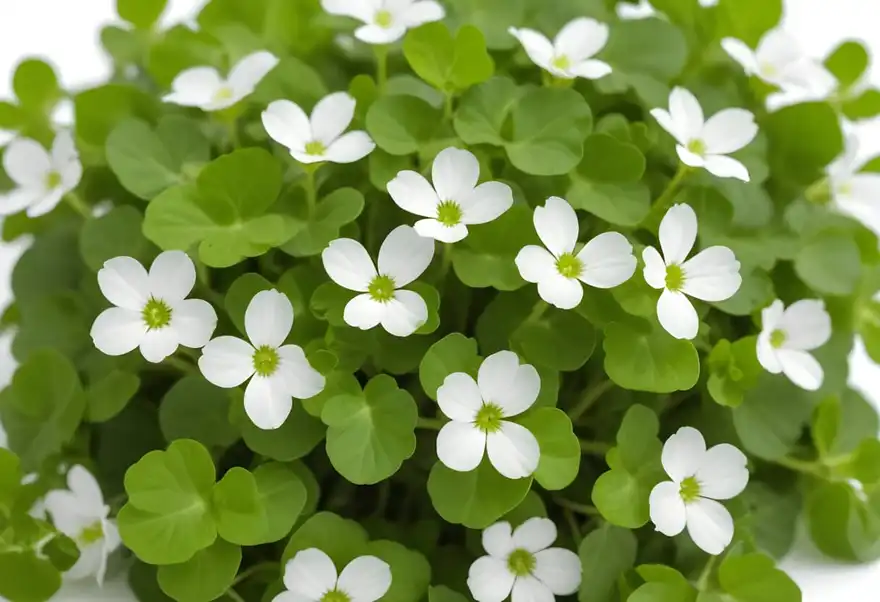
Brahmi leaves come from the medicinal herb Bacopa monnieri, a well-known plant in Ayurveda used for enhancing memory, calming the mind, and improving overall brain function. In simple terms, Brahmi leaves are a natural brain tonic that helps manage stress, improve focus, and support mental clarity.
In India, Brahmi is commonly found in wet, marshy areas and has been used for thousands of years as a Medhya Rasayana—a rejuvenating herb for the brain and nervous system.
⚠️ Important: Brahmi is often confused with Mandukaparni (Gotu Kola), but both are different herbs with distinct properties.
Ayurvedic Properties of Brahmi Leaves
From an Ayurvedic perspective, Brahmi is not just a simple herb—it is considered a powerful Medhya Rasayana, meaning it nourishes the brain, enhances memory, and supports mental clarity over time. Its properties explain why it is so effective in balancing the mind and nervous system.
Rasa (Taste): Tikta (Bitter), Kashaya (Astringent)
Brahmi primarily has a bitter and astringent taste, which plays a key role in detoxifying the body and calming the mind. In Ayurveda, Tikta rasa is known to clear excess heat and toxins, while Kashaya helps in stabilizing mental fluctuations and emotional imbalance.
Guna (Qualities): Laghu (Light), Sara (Flowing)
Due to its light and subtle nature, Brahmi is easy to digest and quickly acts on the nervous system. The Sara guna supports proper circulation in the microchannels of the brain, which helps improve focus, clarity, and mental responsiveness.
Virya (Potency): Sheeta (Cooling)
Brahmi has a naturally cooling effect on the body and mind, making it especially beneficial in conditions related to excess heat, such as irritability, anger, and mental restlessness. This cooling nature also helps in calming the overactive nervous system.
Vipaka (Post-digestive Effect): Madhura (Sweet)
After digestion, Brahmi exhibits a sweet post-digestive effect, which contributes to its nourishing and rejuvenating qualities. This is why long-term use of Brahmi supports brain health without causing depletion or weakness.
Effect on Doshas
Brahmi works effectively in balancing Vata and Pitta doshas, which are commonly involved in stress, anxiety, and emotional instability. Its calming and cooling properties help regulate mental overactivity and reduce internal agitation.
However, when taken in excess or without proper guidance, it may slightly increase Kapha dosha, leading to heaviness or sluggishness in some individuals. This is why dosage and method of intake are important.
Why Brahmi Is Useful in These Conditions
Stress (Vata Imbalance)
In cases of stress and anxiety, Vata dosha becomes aggravated, leading to overthinking and restlessness. Brahmi helps ground this excess Vata by calming the nervous system and promoting mental stability.
Anger & Irritability (Pitta Imbalance)
When Pitta is high, it often manifests as irritability, frustration, or anger. Due to its cooling nature, Brahmi helps pacify Pitta and brings a sense of emotional balance and calmness.
Active Compounds & How Brahmi Works
Brahmi leaves are rich in active compounds known as bacosides, which are primarily responsible for its effects on the brain and nervous system. From both an Ayurvedic and modern research perspective, these compounds play an important role in improving mental performance and protecting brain health.
Supports Brain Cell Repair
Bacosides help in the regeneration and repair of damaged brain cells over time. In clinical observation, this becomes especially helpful in individuals dealing with mental fatigue, कमजोर memory, or long-term stress exposure.
Improves Communication Between Neurons
These compounds enhance the transmission of signals between brain cells (neurons). This improved communication directly supports better concentration, faster processing, and sharper recall in day-to-day activities.
Protects the Brain from Oxidative Stress
Brahmi also works as a natural antioxidant, helping to reduce oxidative damage in brain tissues. This is important because long-term oxidative stress is often linked with cognitive decline and reduced mental clarity.
Modern studies also indicate that regular use of Brahmi may support better cognitive performance, improved memory retention, and enhanced learning ability, especially when taken consistently over a few weeks.
Top Health Benefits of Brahmi Leaves
Brahmi leaves are a classical Ayurvedic Medhya Rasayana herb known for supporting brain function, mental clarity, and emotional balance. Regular and appropriate use of Brahmi may help improve memory, reduce stress, support better sleep, and promote overall nervous system health. In Ayurveda, it is also valued for calming aggravated Vata and Pitta dosha, which are often linked with anxiety, restlessness, and poor concentration.
1. Improves Memory & Brain Function
Brahmi is traditionally known as a Medhya Rasayana, meaning it nourishes the brain and enhances cognitive abilities. Regular use helps improve concentration, learning capacity, and mental clarity, especially in individuals dealing with मानसिक थकान or brain fog.
In clinical practice, Brahmi is often recommended for students and working professionals who need sustained focus throughout the day. Over time, it supports better recall and reduces forgetfulness naturally.
👉 In my experience at Deep Ayurveda, students preparing for competitive exams showed noticeable improvement in focus and retention when Brahmi was combined with Shankhpushpi.
2. Reduces Stress & Anxiety
Brahmi works gently on the nervous system and helps the body adapt better to stress. It has a calming effect on the mind, which is especially useful in people experiencing restlessness, चिंता, or mental overactivity.
Unlike chemical-based relaxants, Brahmi does not dull the mind—it promotes a balanced, शांत अवस्था without causing dependency. This makes it suitable for long-term mental wellness support.
👉 I have observed that professionals with high-pressure jobs respond well when Brahmi is given with ghee at night, as it helps relax the mind and reduce accumulated stress.
3. Supports Better Sleep
Due to its cooling and calming properties, Brahmi helps quiet an overactive mind, which is one of the most common causes of disturbed sleep. It supports natural sleep cycles rather than forcing sedation.
People who experience difficulty falling asleep or frequent night awakenings may benefit from its नियमित सेवन. Over time, it promotes deeper and more restorative sleep.
4. Promotes Hair Growth
Brahmi is widely used in Ayurvedic hair care because of its ability to nourish the scalp and strengthen hair roots. It improves blood circulation in the scalp area, which supports healthier hair growth over time.
Regular use, especially in oil form, may help reduce hair fall and improve overall hair texture. It is also traditionally used to delay premature greying associated with stress and Pitta imbalance.
5. Improves Skin Health
Brahmi supports skin health by helping reduce internal inflammation and promoting better circulation. This indirectly contributes to clearer and healthier-looking skin.
In Ayurveda, skin issues are often linked to internal imbalance, and Brahmi works from within to support that balance. With consistent use, it may help improve skin tone and reduce minor concerns like acne or dullness.
My Clinical Experience with Brahmi
In my practice at Deep Ayurveda, Brahmi is one of the most commonly prescribed herbs for supporting mental health, focus, and cognitive balance. Over the years, I have observed that its effectiveness improves significantly when it is used in the right form and at the right time.
- Students and individuals involved in intensive mental work tend to benefit the most when Brahmi is given in the morning with warm milk. This combination helps improve concentration, memory retention, and mental clarity throughout the day without causing heaviness.
- In patients dealing with anxiety, overthinking, or मानसिक तनाव, Brahmi shows better results when combined with Ashwagandha. While Brahmi calms the mind, Ashwagandha supports the nervous system, and together they create a more balanced and sustained effect.
- For individuals struggling with sleep disturbances or irregular sleep patterns, I have seen good outcomes when Brahmi is administered with a small amount of ghee at night. This helps relax the mind, reduce mental agitation, and promote deeper, more restful sleep over time.
However, in Ayurveda, no single approach fits everyone. I always tailor the dosage and combination based on the individual’s prakriti (body constitution), current imbalance, and overall health condition to ensure safe and effective results.
How to Use Brahmi Leaves
1. Fresh Brahmi Juice
Fresh Brahmi leaves are considered the most potent and natural way to use this herb. You can take around 10–15 fresh leaves, grind them with a little water, and consume the juice on an empty stomach in the morning. In my clinical experience, this method works particularly well for individuals looking to improve memory, concentration, and mental clarity.
2. Brahmi Powder
When fresh leaves are not easily available, Brahmi powder serves as a practical alternative. A daily dose of 1–2 grams can be taken with warm water or milk, depending on your preference and body type. This form is especially suitable for those who want consistent, long-term support for brain function and stress management.
3. Brahmi Tea
Brahmi tea is a gentle and soothing way to include this herb in your daily routine. Simply boil a few Brahmi leaves in water and drink it once a day, preferably in the evening. It helps calm the mind, making it beneficial for people dealing with stress, mental fatigue, or a busy lifestyle.
4. Brahmi with Ghee
In Ayurveda, taking Brahmi with ghee is considered highly effective for nourishing the brain. Ghee enhances the absorption of Brahmi’s active compounds and supports deeper mental relaxation. Taking a small amount of Brahmi powder mixed with ghee before bedtime can be especially helpful for improving sleep quality and calming an overactive mind.
Dosage of Brahmi Leaves
Form Recommended Dosage Fresh leaves 5–10 grams Juice 10–20 ml Powder 2–3 grams Best Time to Take Brahmi Leaves
The best time to consume Brahmi leaves is usually in the morning on an empty stomach or at night before sleep, depending on the desired effect. Morning intake helps improve focus, memory, and mental clarity throughout the day, while night consumption supports relaxation and better sleep quality. In Ayurveda, it is often recommended to take Brahmi with warm milk or ghee for enhanced brain nourishment and better absorption.
Morning (For Focus & Memory)
Taking Brahmi in the morning is generally recommended when your goal is to improve concentration and mental clarity. In my clinical practice, I have seen that consuming Brahmi on an empty stomach—especially with lukewarm water or milk—helps enhance alertness and supports better learning throughout the day.
This timing works particularly well for students and working professionals who need sustained focus and cognitive performance.
Night (For Stress & Sleep)
If the primary concern is stress, anxiety, or disturbed sleep, Brahmi can be more beneficial when taken in the evening or before bedtime. Its calming and cooling properties help relax the nervous system and prepare the mind for restful sleep.
In some cases, I advise taking Brahmi with a small amount of ghee at night, as it enhances its medhya (brain-supporting) effects and promotes deeper relaxation.
⚠️ Side Effects of Brahmi Leaves
Brahmi is generally considered a safe and well-tolerated Ayurvedic herb when taken in the right dosage. However, like any medicinal plant, overuse or incorrect usage may lead to mild side effects in some individuals.
Some people may experience digestive discomfort, especially when Brahmi is taken in higher quantities or on an empty stomach. This can include a feeling of heaviness in the stomach, mild bloating, or reduced appetite.
In certain cases, nausea or mild gastric uneasiness may also occur. This is usually temporary and often resolves once the dosage is adjusted or when Brahmi is taken with suitable anupana like warm water or milk.
From an Ayurvedic perspective, Brahmi has a cooling nature and can increase Kapha dosha if used in excess. This may lead to symptoms like heaviness in the body, slight laziness, or a feeling of mental dullness in Kapha-dominant individuals.
Who Should Avoid Brahmi Leaves?
Brahmi is not suitable for everyone, and its use should be personalized according to the individual’s body constitution (Prakriti) and health condition.
Pregnant and breastfeeding women are generally advised to avoid self-medication with Brahmi. Although it is a natural herb, its effects on hormonal balance and metabolism should be monitored under the guidance of a qualified Ayurvedic doctor.
People who are already taking sedative medications or drugs for neurological conditions should also be cautious. Brahmi has a calming effect on the nervous system, and combining it with such medicines may enhance sedation or cause excessive relaxation.
Individuals with a strong Kapha imbalance, such as those experiencing excessive weight, sluggish digestion, or mental dullness, should use Brahmi carefully. In such cases, improper use may increase heaviness or reduce alertness instead of improving clarity.
Brahmi Leaves vs Other Ayurvedic Herbs
Brahmi leaves are often compared with other important Ayurvedic herbs like Ashwagandha and Gotu Kola because they all support overall health, but their primary actions in the body are different. Understanding these differences is important to choose the right herb based on individual needs such as memory, stress, strength, or rejuvenation.
Brahmi vs Ashwagandha
Brahmi and Ashwagandha are both highly valued herbs in Ayurveda, but they work in completely different ways in the body and mind.
Brahmi is primarily a Medhya Rasayana, which means it directly supports brain function, memory, learning ability, and mental clarity. It is especially useful for students, professionals, and people experiencing overthinking or mental fatigue.
On the other hand, Ashwagandha is a classical Balya Rasayana herb, which focuses more on building physical strength, improving stamina, and supporting the body’s response to stress. It is commonly used in cases of weakness, fatigue, and long-term stress-related exhaustion.
Brahmi works more on mind and cognition, while Ashwagandha works more on body strength and stress resilience.
Brahmi vs Gotu Kola (Mandukaparni)
Brahmi and Gotu Kola are often confused with each other because both are used for brain health, but their Ayurvedic properties are not the same.
Brahmi (Bacopa monnieri) is deeply focused on improving memory retention, concentration, and calming the nervous system. It is more commonly used in conditions like anxiety, restlessness, and poor focus.
Gotu Kola (Mandukaparni), on the other hand, is considered more of a circulatory and rejuvenating herb. It supports blood flow, skin healing, and also has mild brain-supporting properties, but its primary action is not as strong on memory enhancement as Brahmi.
Brahmi is more brain-specific (Medhya herb), while Gotu Kola is more whole-body rejuvenation and circulation support herb.
Conclusion
Brahmi leaves are a powerful Ayurvedic herb that supports brain health, reduces stress, and enhances overall well-being. However, like any medicinal herb, it should be used correctly and mindfully. For best results, always consult a qualified Ayurvedic doctor for personalized guidance.