
Deep Ayurveda Abhayarishta
✅ Supports Healthy Digestion ✅ Helps Manage Piles ✅ Supports Colon Health ✅ May Help Reduce Gas and Bloating ✅ Supports Natural Detoxification
For every parent, watching their child struggle with poor appetite, weak digestion, slow physical development, or frequent illnesses can be concerning. Ayurveda emphasizes that healthy growth begins with a balanced digestive system (Agni) and proper nourishment of the body’s tissues (Dhatus). When digestion is impaired, even a nutritious diet may not be fully utilized by the body.
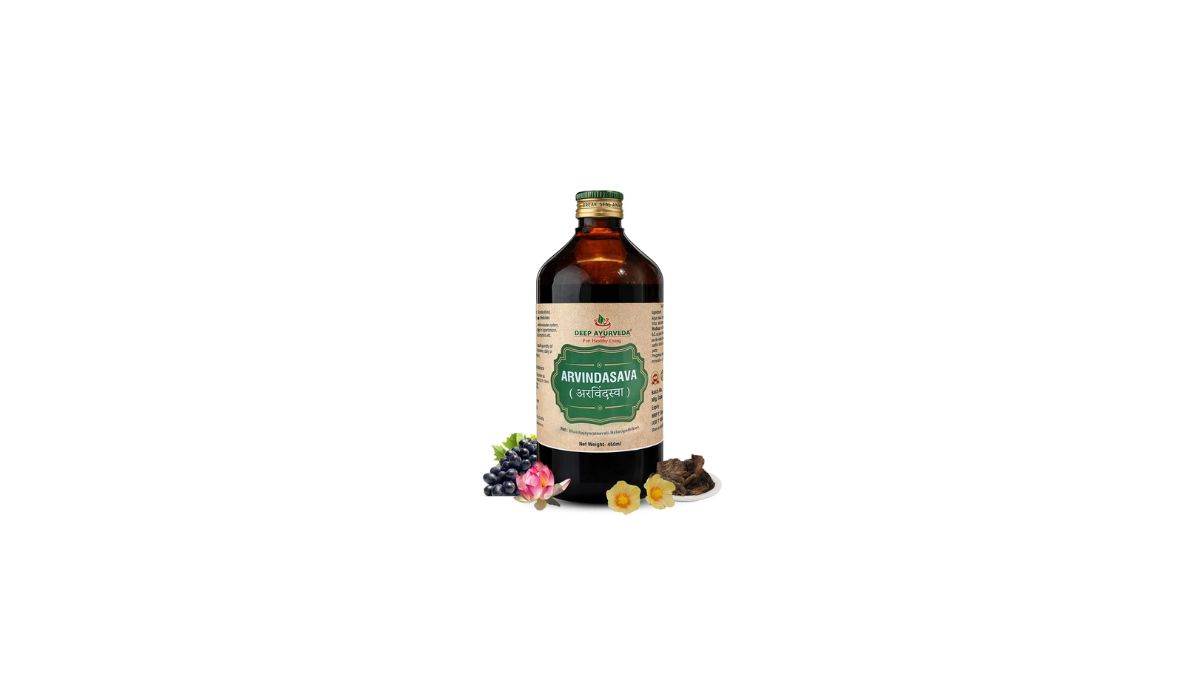
Arvindasava is a classical Ayurvedic fermented herbal formulation traditionally used to support healthy digestion, improve appetite, promote nourishment, and maintain overall strength in children. While it is widely recognized as a pediatric Ayurvedic tonic, a qualified Ayurvedic practitioner may also recommend it in selected cases for adolescents or adults based on their individual constitution (Prakriti) and health needs.
Unlike modern nutritional supplements that often focus on isolated vitamins or minerals, Arvindasava combines multiple herbs that work together according to Ayurvedic principles. Its primary goal is not merely to stimulate appetite but to support the body’s natural digestive capacity and improve nutrient assimilation, helping maintain balanced growth and vitality.
In this comprehensive guide, you’ll learn:
- What Arvindasava is and how Ayurveda explains its action.
- Classical ingredients and their traditional health benefits.
- Uses of Arvindasava for children and adults.
- Dosage recommendations and the best time to take it.
- Possible side effects, precautions, and safety considerations.
- Scientific perspective on its ingredients.
- Common myths and frequently asked questions.
- Expert Ayurvedic guidance on when it may be appropriate and when professional consultation is important.
Whether you’re a parent exploring Ayurvedic options for your child or someone interested in understanding this traditional formulation, this guide will help you make an informed decision based on authentic Ayurvedic principles and responsible health information.
Important Note: Arvindasava is a classical Ayurvedic medicine. It should be used under the guidance of a qualified Ayurvedic practitioner, particularly for infants, young children, pregnant or breastfeeding women, older adults, or individuals with chronic medical conditions. It is not intended to replace professional medical diagnosis or treatment.
What is Arvindasava?
Arvindasava is a traditional Ayurvedic fermented herbal formulation (Asava) described in classical Ayurvedic texts. It is primarily known as a Balya (strength-promoting) and Brimhana (nourishing) preparation that supports healthy growth, digestion, appetite, and overall vitality, especially in children.
From an Ayurvedic perspective, Arvindasava helps strengthen Agni (digestive fire), allowing the body to digest food more efficiently and absorb nutrients effectively. This process contributes to better nourishment of the body’s tissues (Dhatus) and supports the development of Bala (physical strength) and Ojas (vital essence associated with immunity and vitality).
Because it undergoes a natural fermentation process during preparation, the herbal constituents become easier to assimilate. This is one reason why Asava formulations have been valued in Ayurveda for centuries.
Although traditionally associated with pediatric care, Arvindasava is not exclusively for children. In certain situations, Ayurvedic physicians may recommend it for adolescents or adults after evaluating their individual health status and therapeutic needs.
Arvindasava at a Glance
| Parameter | Details |
| Classical Formulation | Ayurvedic Asava (naturally fermented herbal preparation) |
| Primary Traditional Use | Supports healthy growth, digestion, appetite, and overall nourishment |
| Main Ayurvedic Actions | Balya, Brimhana, Deepana, Pachana |
| Suitable For | Primarily children; adults only when advised by an Ayurvedic practitioner |
| Dosage Form | Liquid fermented herbal tonic |
| Best Time to Take | Usually after meals with an equal quantity of water or as directed by an Ayurvedic physician |
| Main Focus | Digestive support, nutrient assimilation, physical strength, and overall vitality |
| Prescription Status | Traditional Ayurvedic medicine; professional guidance is recommended |
What Does Ayurveda Say About Arvindasava?
According to Ayurveda, good health is built on three essential foundations: balanced digestion (Agni), proper nourishment of body tissues (Dhatus), and strong immunity and vitality (Ojas). When digestion becomes weak, the body may not efficiently absorb nutrients from food, even if the diet is healthy. Over time, this can affect appetite, energy levels, physical growth, and overall well-being.
Arvindasava is a classical Ayurvedic formulation traditionally used to support these fundamental processes. Rather than acting as a quick nutritional supplement, Ayurveda describes it as a formulation that helps improve digestion and assimilation, enabling the body to make better use of the nutrients it receives.
The Ayurvedic View of Growth and Development
In Ayurveda, healthy growth is not determined solely by food intake. It depends on how effectively the body digests, absorbs, and transforms food into healthy tissues. This process involves:
- Agni (Digestive Fire): Responsible for breaking down food and supporting proper metabolism.
- Dhatus (Body Tissues): Seven tissues that provide structure, nourishment, strength, and vitality.
- Ojas (Vital Essence): Considered the foundation of immunity, resilience, and overall health.
- Bala (Strength): Reflects physical endurance, healthy development, and resistance to illness.
When Agni is balanced, nutrients are efficiently converted into healthy Dhatus, which in turn support the formation of Ojas and Bala. If Agni becomes weak, this chain may be disrupted, leading to reduced nourishment and vitality.
How Arvindasava Works According to Ayurveda
Ayurvedic physicians traditionally prescribe Arvindasava after evaluating the individual’s Prakriti (body constitution), age, digestive capacity, and health status. Its ingredients are selected to work together rather than independently.
From the Ayurvedic perspective, Arvindasava may help by:
- Supporting healthy digestive function and improving appetite.
- Assisting proper digestion and nutrient assimilation.
- Promoting balanced nourishment of the body’s tissues (Dhatus).
- Supporting physical strength (Bala) and overall vitality.
- Helping maintain healthy growth and development in children as part of a comprehensive Ayurvedic care plan.
This holistic approach distinguishes Ayurveda from simply focusing on calorie intake or isolated nutrients.
How Does Arvindasava Work in the Body?
One of the most overlooked aspects of Arvindasava is how it is believed to work. Many articles simply list its benefits, but understanding the process helps explain why Ayurveda considers digestion the starting point for overall health.
Step 1: Supports Digestive Fire (Agni)
Ayurveda teaches that efficient digestion is essential for converting food into nourishment. Several herbs in Arvindasava are traditionally valued for supporting Deepana (stimulating digestive capacity) and Pachana (helping process food effectively), which may encourage a healthy appetite and comfortable digestion.
Step 2: Promotes Better Nutrient Assimilation
After digestion, nutrients must be properly absorbed and utilized. Ayurveda refers to this process as the nourishment of the Dhatus. By supporting healthy digestion, Arvindasava is traditionally believed to help the body utilize nutrients more effectively.
Step 3: Nourishes the Body Tissues
The absorbed nutrients are thought to contribute to the healthy formation of the body’s seven Dhatus, which include tissues such as Rasa (nutritive fluid), Mamsa (muscle), Asthi (bone), and Majja (marrow and nervous tissue). Proper nourishment of these tissues is considered important for healthy physical development.
Step 4: Supports Strength and Vitality
When digestion and tissue nourishment remain balanced, Ayurveda believes the body develops better Bala (strength) and maintains healthy Ojas, the vital essence associated with resilience and overall wellness.
Complete Ingredients of Arvindasava and Their Ayurvedic Roles
The effectiveness of Arvindasava lies not in a single herb but in the synergistic combination of multiple Ayurvedic ingredients. In Ayurveda, these herbs are carefully selected to support digestion, nourishment, strength, and overall development. Each ingredient performs a specific function, and together they help create a balanced formulation.
The exact composition may vary slightly between manufacturers while remaining consistent with the classical formulation. Always refer to the product label or consult an Ayurvedic physician for the ingredient list of the brand you are using.
Key Ingredients in Arvindasava
| Ingredient | Botanical Name | Traditional Ayurvedic Role |
| Aravinda (Lotus) | Nelumbo nucifera | Traditionally considered Balya (strength-promoting) and Hridya (supports heart health). It is the principal ingredient of Arvindasava and is valued for promoting healthy growth and vitality. |
| Manjistha | Rubia cordifolia | Traditionally used to support healthy blood circulation and maintain skin health. It is also described as a natural detoxifying herb in Ayurveda. |
| Musta | Cyperus rotundus | Supports healthy digestion, helps maintain appetite, and assists in balancing digestive disturbances. |
| Bala | Sida cordifolia | Known as a nourishing herb that traditionally supports physical strength, muscle development, and overall vitality. |
| Shatavari | Asparagus racemosus | Traditionally considered a rejuvenating (Rasayana) herb that supports nourishment and healthy tissue development. |
| Vidari | Pueraria tuberosa | Valued for promoting strength, nourishment, and healthy weight maintenance in individuals with general weakness. |
| Guduchi | Tinospora cordifolia | Traditionally supports immune health, metabolism, and overall wellness while helping maintain doshic balance. |
| Haritaki | Terminalia chebula | Helps maintain digestive regularity and supports the body’s natural cleansing processes. |
| Amalaki | Phyllanthus emblica | A natural source of antioxidants in Ayurveda, traditionally used to support digestion, immunity, and tissue nourishment. |
| Pippali | Piper longum | Enhances digestive capacity (Deepana), improves nutrient absorption, and supports respiratory wellness. |
| Dhanyaka (Coriander) | Coriandrum sativum | Traditionally used to support digestion and help maintain digestive comfort. |
| Natural Sweetening & Fermentation Ingredients | Classical ingredients such as jaggery or sugar | Facilitate the natural fermentation process (Asava Kalpana), which develops the formulation’s characteristic properties. |
Note: Ingredient composition can vary slightly among classical and proprietary formulations. Always verify the label of the specific product you are using.
Why Is Aravinda (Lotus) the Main Ingredient?
The name Arvindasava comes from Aravinda (Lotus), highlighting its importance in the formulation. In Ayurveda, Lotus is traditionally regarded as a gentle, nourishing herb that supports healthy growth and overall vitality.
Unlike herbs that primarily stimulate digestion, Aravinda is considered a Balya herb, meaning it is traditionally used to promote strength and support normal development. This makes it particularly suitable in formulations intended for children, where the focus is on balanced nourishment rather than strong medicinal action.
Ayurvedic practitioners often combine Aravinda with digestive herbs such as Musta and Pippali, and nourishing herbs like Bala, Shatavari, and Vidari. This combination aims to improve digestion while simultaneously supporting tissue nourishment and healthy physical development.
Why Does Arvindasava Contain So Many Herbs?
One common question is why Arvindasava contains numerous ingredients instead of relying on just one or two herbs.
The answer lies in Ayurveda’s holistic philosophy. Rather than targeting a single symptom, classical formulations are designed to address multiple interconnected aspects of health.
For example:
- Digestive herbs help improve the body’s ability to process food.
- Nourishing herbs support healthy tissue formation and physical strength.
- Rejuvenating (Rasayana) herbs promote vitality and long-term wellness.
- Supportive herbs help maintain overall balance within the body.
This multi-herb approach reflects Ayurveda’s principle that healthy growth depends on proper digestion, efficient nutrient assimilation, balanced metabolism, and well-nourished body tissues, not on a single ingredient alone.
Ayurvedic Perspective: How These Ingredients Work Together
Instead of acting independently, the herbs in Arvindasava are traditionally believed to complement one another.
Herbs That Support Digestion (Deepana & Pachana)
These herbs help maintain healthy digestive function and improve nutrient utilization:
- Musta
- Pippali
- Haritaki
- Dhanyaka
Herbs That Support Nourishment (Brimhana)
These ingredients are traditionally used to promote healthy tissue nourishment and physical development:
- Bala
- Shatavari
- Vidari
- Aravinda
Herbs That Support Overall Wellness (Rasayana)
These herbs are valued in Ayurveda for supporting vitality and long-term health:
- Guduchi
- Amalaki
- Shatavari
By combining these categories of herbs, Arvindasava follows a balanced Ayurvedic approach that first supports digestion and then promotes nourishment and vitality.
Top Health Benefits of Arvindasava
In Ayurveda, Arvindasava is traditionally used to support healthy growth, digestion, and overall well-being, particularly in children. Rather than acting as an instant tonic, it is believed to improve the body’s ability to digest food, absorb nutrients, and nourish the tissues (Dhatus), which are considered the foundation of strength and vitality.
It is important to understand that the following benefits are based on traditional Ayurvedic principles and classical usage. The complete Arvindasava formulation has limited modern clinical research, so it should be used under the guidance of a qualified Ayurvedic practitioner and not as a replacement for medical treatment.
1. Traditionally Supports Healthy Growth and Development in Children
One of the primary traditional uses of Arvindasava is to support healthy physical growth and development in children. According to Ayurveda, proper growth depends not only on food intake but also on the body’s ability to digest and utilize nutrients effectively.
When digestion (Agni) functions well, nutrients are believed to nourish the body’s tissues more efficiently, helping maintain healthy development.
Traditional Ayurvedic benefits include:
- Supports balanced physical development.
- Helps nourish growing body tissues (Dhatus).
- Promotes healthy strength and vitality.
- Assists overall developmental wellness as part of a balanced diet and healthy lifestyle.
Doctor’s Note: If a child has delayed growth, persistent weight loss, or developmental concerns, it is important to seek evaluation from a pediatrician. Arvindasava should not be used as a substitute for diagnosing or treating underlying medical conditions.
2. Helps Improve Appetite Naturally
Poor appetite is one of the most common concerns in children. Ayurveda often associates reduced appetite with Mandagni (low digestive fire), where food is not digested efficiently.
Several herbs in Arvindasava, such as Musta, Pippali, and Haritaki, are traditionally valued for supporting healthy digestive function.
How It May Help
- Encourages a healthy appetite.
- Supports digestive efficiency.
- Helps the body prepare for better nutrient absorption.
- Promotes regular eating habits when combined with a healthy routine.
Unlike appetite stimulants that work through different mechanisms, Ayurveda focuses on improving digestion first, believing that a balanced digestive system naturally supports a healthy appetite.
3. Supports Healthy Digestion
Good digestion is considered the cornerstone of health in Ayurveda. Even nutritious food may not provide optimal benefits if it is not properly digested and absorbed.
Arvindasava contains herbs traditionally known for their Deepana (enhancing digestive capacity) and Pachana (supporting digestion) properties.
Traditional Digestive Benefits
- Supports healthy digestive function.
- Helps maintain digestive comfort after meals.
- Assists proper metabolism of food.
- Promotes efficient nutrient utilization.
Healthy digestion is also viewed as the first step toward maintaining balanced energy, growth, and overall wellness.
4. Promotes Better Nutrient Assimilation
Eating nutritious food is only one part of maintaining health. The body must also absorb and utilize those nutrients effectively.
From an Ayurvedic perspective, balanced digestion supports Dhatu Poshana, the process through which nutrients nourish the body’s tissues.
Arvindasava is traditionally used to:
- Support efficient nutrient assimilation.
- Promote healthy tissue nourishment.
- Help the body make better use of a balanced diet.
- Contribute to overall vitality through improved digestive function.
This holistic approach is one reason Arvindasava has traditionally been included in pediatric Ayurvedic care.
5. Helps Build Strength (Bala)
In Ayurveda, Bala refers to physical strength, endurance, and the body’s ability to maintain health.
Arvindasava contains nourishing herbs such as Bala, Vidari, Shatavari, and Aravinda, which are traditionally regarded as supportive of healthy strength and vitality.
Traditional Role in Supporting Strength
- Promotes healthy physical vitality.
- Supports normal energy levels.
- Helps maintain overall body nourishment.
- Contributes to healthy tissue development.
Rather than providing temporary stimulation, Ayurveda aims to build strength gradually through improved digestion and nourishment.
6. Traditionally Supports Immune Health
Ayurveda associates a strong immune system with healthy Ojas, the vital essence formed after proper digestion and nourishment.
Ingredients such as Guduchi, Amalaki, and Shatavari are traditionally recognized for supporting overall wellness and resilience.
Potential Traditional Benefits
- Supports natural immune function.
- Promotes overall vitality.
- Helps maintain healthy body resistance.
- Encourages long-term wellness when combined with healthy lifestyle practices.
Important: While individual herbs have been studied for various biological properties, more high-quality clinical research is needed to confirm the effects of the complete Arvindasava formulation on immune health.
7. Supports Healthy Cognitive Development
Classical Ayurvedic texts emphasize that healthy digestion and proper tissue nourishment contribute not only to physical growth but also to mental well-being.
Some ingredients in Arvindasava are traditionally associated with supporting Medhya (cognitive wellness).
According to Ayurvedic principles, Arvindasava may help:
- Support overall mental well-being.
- Promote healthy brain nourishment through balanced digestion.
- Maintain normal cognitive development as part of holistic child health.
It should not be considered a treatment for learning disorders, developmental delays, or neurological conditions.
8. Traditionally Used During General Weakness
Children recovering from illness or experiencing general weakness may require adequate nutrition, rest, and appropriate medical care.
In Ayurvedic practice, Arvindasava has traditionally been used as part of a broader care plan to support recovery by:
- Promoting appetite.
- Supporting digestion.
- Assisting tissue nourishment.
- Helping restore vitality.
Its use should always be individualized and guided by a qualified Ayurvedic practitioner.
9. Helps Maintain Overall Wellness
Ayurveda does not focus on a single organ or symptom. Instead, it aims to maintain harmony among digestion, metabolism, tissue nourishment, and vitality.
When used appropriately, Arvindasava is traditionally believed to support:
- Healthy digestion.
- Balanced metabolism.
- Physical strength.
- Healthy appetite.
- Tissue nourishment.
- Overall well-being.
These combined effects explain why it has remained a respected classical formulation in Ayurvedic pediatric practice for generations.
Traditional Uses of Arvindasava in Ayurveda
In Ayurveda, Arvindasava is traditionally prescribed after evaluating an individual’s Prakriti (body constitution), Vikriti (current imbalance), age, digestive strength (Agni), and overall health status. It is not considered a one-size-fits-all tonic but rather a classical formulation selected for specific health concerns where digestive weakness and inadequate nourishment are thought to play a role.
Its traditional uses are primarily described in the context of Kaumarbhritya (Ayurvedic Pediatrics), one of the eight major branches of Ayurveda dedicated to the health and development of infants and children.
Below are some of the traditional indications for which Ayurvedic physicians may consider Arvindasava as part of a personalized treatment plan.
1. Traditionally Used for Poor Appetite (Agnimandya)
One of the most common reasons for using Arvindasava is reduced appetite associated with weak digestive fire (Mandagni).
According to Ayurveda, when Agni becomes weak:
- Hunger may decrease.
- Food may not be digested efficiently.
- Nutrient absorption may be affected.
- The body may receive inadequate nourishment despite regular meals.
Arvindasava contains herbs traditionally known for supporting healthy digestion, making it a commonly selected formulation when poor appetite is linked to digestive imbalance.
Clinical Note: Poor appetite lasting more than a few weeks, especially when accompanied by weight loss, persistent vomiting, fever, or chronic diarrhea, requires medical evaluation before considering any herbal formulation.
2. Traditionally Used to Support Healthy Growth
Ayurveda views healthy growth as a result of:
- Balanced digestion (Agni)
- Proper tissue nourishment (Dhatu Poshana)
- Healthy metabolism
- Adequate sleep
- Balanced nutrition
- Appropriate physical activity
When these factors are disturbed, physical development may be affected.
Arvindasava has traditionally been used to support:
- Healthy body weight appropriate for age.
- Normal physical development.
- Balanced nourishment of growing tissues.
- Overall vitality during childhood.
It should be emphasized that Arvindasava is not a substitute for proper nutrition or pediatric medical care.
3. Traditionally Used During General Weakness
Children may experience temporary weakness following:
- Recovery from illness.
- Reduced food intake.
- Seasonal changes.
- Digestive disturbances.
In Ayurveda, Arvindasava is sometimes included as part of a comprehensive recovery plan that also emphasizes:
- Nutritious meals.
- Adequate hydration.
- Restful sleep.
- Gentle daily routine.
- Appropriate lifestyle practices.
The goal is to gradually restore digestive efficiency and overall vitality rather than simply increasing calorie intake.
4. Traditionally Used for Digestive Weakness
Healthy digestion is central to Ayurvedic treatment.
When digestion becomes sluggish, individuals may experience:
- Feeling full quickly.
- Mild abdominal discomfort after eating.
- Reduced appetite.
- Irregular bowel habits.
- Poor nutrient utilization.
The digestive herbs present in Arvindasava are traditionally selected to help maintain digestive balance and support the body’s natural digestive processes.
5. Traditionally Used to Promote Healthy Tissue Nourishment (Dhatu Poshana)
Ayurveda explains that nutrients pass through a sequence of tissue nourishment known as Dhatu Poshana.
These seven Dhatus include:
- Rasa (nutritive fluid)
- Rakta (blood)
- Mamsa (muscle)
- Meda (adipose tissue)
- Asthi (bone)
- Majja (marrow and nervous tissue)
- Shukra/Artava (reproductive tissue)
If digestion is impaired, Ayurveda believes the nourishment of these tissues may also be affected.
Arvindasava is traditionally used to support this natural process by improving digestive efficiency and nutrient assimilation.
6. Traditionally Used to Support Strength (Bala)
Bala refers to physical strength, stamina, and resilience.
In Ayurveda, Bala depends on:
- Healthy digestion.
- Balanced nutrition.
- Well-nourished tissues.
- Proper lifestyle.
- Healthy Ojas.
Arvindasava is traditionally used to help maintain physical vitality in children who require additional digestive and nutritional support under professional supervision.
7. Traditionally Used During Convalescence
Following prolonged illness, children may experience:
- Reduced appetite.
- Lower energy levels.
- Temporary weakness.
- Slow return to normal eating habits.
Ayurvedic physicians may consider Arvindasava as one component of a broader recovery strategy aimed at restoring digestive strength and overall nourishment. It is not intended to replace conventional treatment or follow-up care.
8. Traditionally Used to Support Overall Well-Being
Ayurveda does not focus solely on treating isolated symptoms. Instead, it seeks to restore harmony among digestion, metabolism, tissue nourishment, and vitality.
For this reason, Arvindasava has traditionally been used to support:
- Healthy appetite.
- Balanced digestion.
- Efficient nutrient utilization.
- Physical strength.
- Healthy growth.
- General well-being.
Its role is supportive and works best alongside a balanced diet, proper sleep, regular physical activity, and age-appropriate healthcare.
When Do Ayurvedic Doctors Traditionally Recommend Arvindasava?
As an Ayurvedic physician, I do not recommend Arvindasava based on a single complaint such as “my child is not eating well.” Instead, I evaluate the complete clinical picture to determine whether the formulation is appropriate.
An Ayurvedic assessment typically includes:
- Prakriti (Body Constitution): Understanding the child’s natural constitution helps determine the most suitable treatment approach.
- Agni (Digestive Capacity): Assessing appetite, digestion, bloating, and bowel habits provides insight into digestive health.
- Growth Pattern: Weight, height, developmental milestones, and nutritional intake are reviewed.
- Lifestyle and Diet: Meal timing, food quality, sleep, and daily routine are important contributors to overall health.
- Underlying Health Conditions: Persistent symptoms, chronic illness, or suspected nutritional deficiencies require appropriate medical evaluation.
Only after this assessment is a classical formulation like Arvindasava considered as part of an individualized care plan.
Who May Benefit from Arvindasava?
Arvindasava may be considered by a qualified Ayurvedic practitioner for individuals who have:
- Reduced appetite associated with digestive weakness.
- Mild digestive imbalance affecting nutrient utilization.
- General weakness during recovery from illness.
- A need for additional digestive and nutritional support during growth.
- Reduced vitality linked to poor digestion.
*Important: Suitability varies from person to person. These are traditional Ayurvedic indications and do not mean Arvindasava is appropriate for everyone with these symptoms.
Arvindasava Dosage: How Much Should You Take?
One of the most common questions parents ask is, “What is the correct dosage of Arvindasava?” The answer depends on several factors, including age, digestive capacity (Agni), body constitution (Prakriti), the specific health concern, and the manufacturer’s instructions.
Although Arvindasava is a classical Ayurvedic formulation, there is no single dosage that is suitable for everyone. Ayurvedic physicians individualize the dose after assessing the person’s health status, while commercial brands also provide dosage recommendations on their labels.
Important: The dosage recommendations below are general educational guidelines based on commonly available classical formulations. Always follow the instructions on your product label or consult a qualified Ayurvedic physician before giving Arvindasava to children.
General Dosage of Arvindasava
| Age Group | Commonly Recommended Dose* | Frequency | How to Take |
| Children (1–5 years) | 2.5–5 ml | Twice daily | After meals, diluted with an equal quantity of water or as directed by an Ayurvedic physician |
| Children (5–12 years) | 5–10 ml | Twice daily | After meals with an equal quantity of water |
| Adolescents (Above 12 years) | 10–15 ml | Twice daily | After meals with water or as advised |
| Adults (if prescribed) | 15–20 ml | Twice daily | After meals with an equal quantity of water |
*Note: Dosage may vary depending on the brand, formulation, age, and individual clinical requirements.
Best Time to Take Arvindasava
Ayurvedic practitioners generally recommend taking Arvindasava after meals.
This is because:
- It is traditionally believed to support digestion after food intake.
- Taking it after meals may improve tolerability in some individuals.
- It aligns with the classical use of Asava formulations for supporting digestive function and nutrient assimilation.
Most commonly:
- Morning: After breakfast.
- Evening: After dinner.
Avoid taking it on an empty stomach unless specifically advised by your Ayurvedic physician.
Should Arvindasava Be Mixed with Water?
Yes. In most cases, classical Asava formulations are traditionally diluted with an equal quantity of water before consumption.
Example
If the recommended dose is:
- 10 ml Arvindasava
it is commonly mixed with:
- 10 ml water
before taking it.
Dilution may improve palatability and aligns with the traditional method of administration.
Always follow the instructions provided by the manufacturer or your healthcare professional, as recommendations can vary between products.
How Long Can Arvindasava Be Taken?
There is no fixed duration that is appropriate for everyone.
The duration depends on:
- Age
- Underlying health concern
- Digestive strength
- Overall nutritional status
- Clinical response
- Advice from the treating Ayurvedic physician
Some individuals may use it for a short period as part of a structured treatment plan, while others may require a different approach. Long-term self-medication is not recommended, especially in children.
Regular follow-up with an Ayurvedic physician helps determine whether the medicine should be continued, adjusted, or discontinued.
What If You Miss a Dose?
If you forget to take a scheduled dose:
- Take it when you remember if it is not close to the next scheduled dose.
- If the next dose is due soon, skip the missed dose and continue with your regular schedule.
- Do not take a double dose to compensate for a missed one.
Maintaining a consistent schedule is generally more beneficial than taking extra medicine after a missed dose.
Can Arvindasava Be Taken Daily?
Arvindasava may be taken daily only when recommended by a qualified Ayurvedic physician or according to the product label.
Daily use should always be based on:
- The individual’s health condition.
- Age.
- Clinical assessment.
- Response to treatment.
It should not be consumed routinely as a general health drink without a clear indication.
Tips for Taking Arvindasava Correctly
Following a few simple practices can help ensure appropriate use:
- Measure the dose using a medicine cup or measuring spoon rather than a household spoon.
- Shake the bottle gently if the manufacturer recommends it.
- Dilute with an equal quantity of water unless the label advises otherwise.
- Take it after meals for better digestive support.
- Store the bottle tightly closed in a cool, dry place away from direct sunlight.
- Keep it out of the reach of children.
- Do not use the product beyond its expiry date.
Common Dosage Mistakes to Avoid
Many people believe that increasing the dose will produce faster results. This is not supported by Ayurvedic principles.
Avoid these common mistakes:
- Giving higher doses than recommended.
- Using the medicine for prolonged periods without professional guidance.
- Giving it to infants or very young children without medical advice.
- Ignoring the dosage instructions on the product label.
- Sharing the medicine with another child because they have similar symptoms.
- Continuing the medicine despite persistent or worsening symptoms without consulting a healthcare professional.
Possible Side Effects of Arvindasava
Arvindasava is a classical Ayurvedic fermented herbal formulation that has been traditionally used for generations, particularly in pediatric Ayurvedic practice. When taken in the recommended dosage and under the supervision of a qualified Ayurvedic physician, it is generally considered well tolerated by most individuals.
However, like any herbal or conventional medicine, Arvindasava may not be suitable for everyone. The likelihood of side effects can increase if it is taken in excessive amounts, used without proper medical advice, or consumed despite underlying health conditions.
It is important to remember that natural does not always mean risk-free. Every medicine should be used responsibly and according to professional guidance.
Does Arvindasava Have Any Side Effects?
There are no widely reported serious side effects associated with the classical use of Arvindasava when taken appropriately. However, some individuals may experience mild digestive discomfort or other reactions depending on their age, digestive capacity, underlying medical conditions, or sensitivity to certain ingredients.
Possible side effects may include:
- Mild stomach discomfort
- Temporary bloating
- Loose stools in some individuals
- Mild acidity or gastric irritation
- Nausea if taken on an empty stomach
- Allergic reactions in individuals sensitive to any ingredient (rare)
These reactions are usually mild and may improve after adjusting the dosage or discontinuing the medicine under medical supervision.
Why Can Side Effects Occur?
From an Ayurvedic perspective, every medicine should match the individual’s:
- Prakriti (Body Constitution)
- Agni (Digestive Strength)
- Age
- Health Condition
- Disease Stage
- Diet and Lifestyle
If a medicine is used without considering these factors, the desired benefits may not be achieved, and unwanted effects may occur.
Common reasons include:
- Taking more than the recommended dose.
- Self-medicating without proper evaluation.
- Using poor-quality or expired products.
- Taking the medicine despite contraindications.
- Combining it with other herbal or prescription medicines without professional advice.
Who Should Use Arvindasava with Caution?
Certain individuals should consult a qualified healthcare professional before using Arvindasava.
These include:
Children Below the Recommended Age
Very young children and infants should only receive Arvindasava if specifically prescribed by a qualified Ayurvedic physician or pediatric healthcare professional.
People with Diabetes
Most classical Arvindasava preparations are made using jaggery or sugar during the natural fermentation process. Although these ingredients contribute to fermentation, the final preparation may still contain residual sugars.
Individuals with diabetes or those monitoring blood glucose should consult their healthcare provider before use.
Individuals with Liver Disease
People with existing liver disorders should seek medical advice before taking any fermented Ayurvedic formulation, including Arvindasava.
Pregnant and Breastfeeding Women
Arvindasava is primarily known for its traditional use in pediatric Ayurveda. There is limited high-quality clinical evidence regarding its routine use during pregnancy or breastfeeding.
Pregnant or breastfeeding women should use it only if recommended by a qualified healthcare professional.
People Taking Prescription Medicines
If you are taking medicines for:
- Diabetes
- Blood pressure
- Thyroid disorders
- Epilepsy
- Liver disease
- Chronic illnesses
consult your physician or Ayurvedic doctor before starting Arvindasava to help minimize the risk of interactions.
Can Arvindasava Cause Allergic Reactions?
Although uncommon, allergic reactions are possible with any herbal preparation.
Stop using the medicine and seek medical attention immediately if you experience symptoms such as:
- Skin rash
- Severe itching
- Swelling of the lips or face
- Difficulty breathing
- Persistent vomiting after taking the medicine
These reactions are rare but require prompt evaluation.Can Long-Term Use Cause Problems?
There is no recommendation to use Arvindasava indefinitely as a daily health tonic.
The duration of use should depend on:
- The individual’s condition.
- Clinical progress.
- Advice from an Ayurvedic physician.
- Regular follow-up assessments.
Prolonged self-medication without reviewing the treatment plan is not advisable.
When Should You Stop Taking Arvindasava?
Discontinue the medicine and consult your healthcare provider if you notice:
- Persistent abdominal pain.
- Repeated vomiting.
- Continuous diarrhea.
- New allergic symptoms.
- Worsening of the original complaint.
- No improvement despite appropriate use.
Similarly, if a child develops persistent fever, significant weight loss, poor growth, severe weakness, or developmental concerns, prompt medical evaluation is essential rather than relying solely on herbal formulations.
Safety Tips for Using Arvindasava
Following these precautions can help support safe use:
- Use only products from reputable manufacturers.
- Follow the dosage instructions on the label or your physician’s advice.
- Do not exceed the recommended dose.
- Measure the dose accurately using a medicine cup.
- Store the bottle in a cool, dry place away from direct sunlight.
- Keep it out of the reach of children.
- Check the expiry date before use.
- Inform your healthcare provider about all medicines and supplements you are taking.
Scientific Perspective: What Does Modern Research Say About Arvindasava?
As interest in Ayurveda continues to grow worldwide, many people ask an important question:
Is Arvindasava scientifically proven?
The answer requires a balanced understanding of both classical Ayurvedic knowledge and modern scientific research.
Arvindasava has been used in Ayurvedic practice for decades as a classical herbal formulation. Its traditional uses are well documented in Ayurvedic literature. However, high-quality human clinical trials evaluating the complete Arvindasava formulation remain limited.
This does not mean that the formulation is ineffective. Instead, it means that more well-designed scientific studies are needed to confirm its safety and effectiveness according to modern research standards.
As an Ayurvedic doctor, I believe it is important to distinguish between traditional evidence and modern clinical evidence, allowing patients to make informed healthcare decisions.
Traditional Evidence vs Modern Scientific Evidence
| Traditional Ayurvedic Evidence | Modern Scientific Evidence |
| Based on centuries of clinical practice and classical Ayurvedic texts | Based on laboratory studies, animal research, and human clinical trials |
| Evaluates health through concepts such as Agni, Doshas, Dhatus, Bala, and Ojas | Evaluates measurable biological outcomes such as growth, digestion, biomarkers, and clinical symptoms |
| Uses multi-herb formulations designed to work synergistically | Often studies isolated herbs or specific active compounds rather than the complete formulation |
| Individualized treatment according to Prakriti and disease condition | Standardized treatment protocols for defined populations |
Both approaches offer valuable insights, but they use different methods to understand health and treatment.
What Research Says About the Herbs in Arvindasava
Although research on the complete Arvindasava formulation is limited, several of its individual herbs have been studied for their biological properties.
Aravinda (Nelumbo nucifera)
Modern studies suggest that lotus contains natural compounds with antioxidant and anti-inflammatory properties.
Researchers are investigating its potential role in supporting general wellness, although more human studies are needed before specific health claims can be made.
Guduchi (Tinospora cordifolia)
Guduchi is among the most extensively studied Ayurvedic herbs.
Research has explored its potential:
- Immunomodulatory properties.
- Antioxidant activity.
- Anti-inflammatory effects.
- Support for overall metabolic health.
However, these findings relate primarily to Guduchi itself and should not be interpreted as evidence for the complete Arvindasava formulation.
Amalaki (Phyllanthus emblica)
Amalaki is naturally rich in vitamin C and polyphenols.
Studies have examined its potential role in:
- Antioxidant defense.
- Supporting immune function.
- Protecting cells from oxidative stress.
- General nutritional wellness.
Again, these findings cannot be directly applied to Arvindasava as a whole.
Pippali (Piper longum)
Pippali has been investigated for its possible effects on:
- Digestive enzyme activity.
- Nutrient absorption.
- Respiratory health.
- Bioavailability of certain compounds.
Its traditional Ayurvedic role in supporting digestion aligns with these areas of ongoing scientific interest.
Shatavari (Asparagus racemosus)
Research on Shatavari has explored:
- Adaptogenic properties.
- Antioxidant activity.
- Nutritional support.
- General wellness.
Further clinical studies are still needed to better understand its effects in different populations.
Is There Clinical Research on Arvindasava Itself?
At present, published high-quality clinical studies on the complete classical Arvindasava formulation are limited.
Existing research is generally:
- Small in scale.
- Preliminary in nature.
- Conducted in specific clinical settings.
- Focused on traditional therapeutic applications.
While these studies may provide encouraging observations, they are not sufficient to draw definitive conclusions about effectiveness for all individuals or health conditions.
Large, well-designed randomized controlled trials would help strengthen the evidence base.
Why Is Scientific Research on Ayurvedic Formulations Challenging?
Many people wonder why there are fewer studies on classical Ayurvedic medicines compared with conventional pharmaceuticals.
Several factors contribute to this:
Multi-Herb Composition
Arvindasava contains numerous herbs that are designed to work together. Studying such complex formulations is more challenging than studying a single chemical compound.
Individualized Treatment
Ayurveda tailors treatment according to the person’s:
- Prakriti (constitution)
- Digestive capacity
- Disease stage
- Lifestyle
- Diet
This personalized approach is difficult to standardize for large clinical trials.
Traditional Manufacturing Methods
Factors such as:
- Natural fermentation
- Source of herbs
- Seasonal variation
- Manufacturing techniques
may influence the final product, making standardization more complex.
Can Arvindasava Replace Modern Medical Treatment?
No.
Arvindasava should not replace:
- Pediatric evaluation.
- Nutritional assessment.
- Vaccination.
- Medical treatment.
- Growth monitoring.
- Emergency healthcare.
If a child has:
- Persistent poor growth.
- Recurrent infections.
- Chronic diarrhea.
- Severe nutritional deficiency.
- Developmental delay.
- Persistent vomiting.
- High fever.
professional medical evaluation is essential.
Ayurveda works best as part of an integrative healthcare approach, where traditional wisdom and evidence-based medicine complement one another.
What Makes Arvindasava Different from Nutritional Supplements?
Unlike conventional nutritional supplements that mainly provide vitamins, minerals, or protein, Arvindasava follows a different therapeutic philosophy.
| Conventional Supplements | Arvindasava |
| Focus on replacing nutrients | Focuses on supporting digestion and nutrient assimilation according to Ayurveda |
| Usually contain isolated nutrients | Contains a combination of traditional Ayurvedic herbs |
| Standard nutritional mechanism | Holistic Ayurvedic approach involving Agni, Dhatus, and Bala |
| Used to correct specific deficiencies | Traditionally used to support overall digestive and nutritional balance |
Both approaches may have a role depending on the individual’s needs, and they should not be viewed as direct substitutes for one another.
Current Scientific Understanding at a Glance
| Topic | Current Evidence |
| Traditional Ayurvedic use | Well documented in Ayurvedic literature |
| Research on complete Arvindasava formulation | Limited human clinical evidence |
| Research on individual herbs | Moderate evidence for several herbs, varying by ingredient |
| Safety when used appropriately | Traditionally considered well tolerated, but professional guidance is recommended |
| Need for further research | High-quality randomized clinical trials are still needed |
Frequently Asked Questions
What is Arvindasava used for?
Arvindasava is a classical Ayurvedic formulation traditionally used to support healthy digestion, improve appetite, promote nutrient assimilation, and support overall growth and vitality, especially in children.
Can adults take Arvindasava?
Yes. Although it is commonly used in pediatric Ayurvedic care, adults may also take it if recommended by a qualified Ayurvedic physician.
What is the best time to take Arvindasava?
When taken in the recommended dosage, Arvindasava is generally well tolerated. However, some people may experience mild digestive discomfort if used incorrectly or in excess.
Can Arvindasava improve a child’s appetite?
According to Ayurveda, Arvindasava helps support Agni (digestive fire), which may naturally improve appetite and support better digestion when used appropriately.
Is Arvindasava safe for daily use?
Yes, it can be used daily for the prescribed duration under the guidance of a qualified Ayurvedic practitioner. Avoid prolonged self-medication without medical advice.
Can Arvindasava replace a healthy diet?
No. Arvindasava is a supportive Ayurvedic formulation and should be used alongside a balanced diet, healthy lifestyle, and appropriate medical care—not as a substitute for them.
Final Thoughts
Arvindasava is one of Ayurveda’s well-known classical fermented formulations, traditionally valued for supporting healthy digestion, appetite, tissue nourishment, physical strength, and overall development, particularly in pediatric Ayurvedic care. Its holistic approach focuses on improving Agni (digestive capacity) so that the body can better absorb and utilize nutrients, which Ayurveda considers the foundation of healthy growth.
While centuries of traditional use support its role in Ayurvedic practice, modern clinical research on the complete formulation is still evolving. For this reason, Arvindasava should be viewed as a supportive part of an individualized healthcare plan rather than a standalone treatment for growth, nutritional deficiencies, or medical conditions.