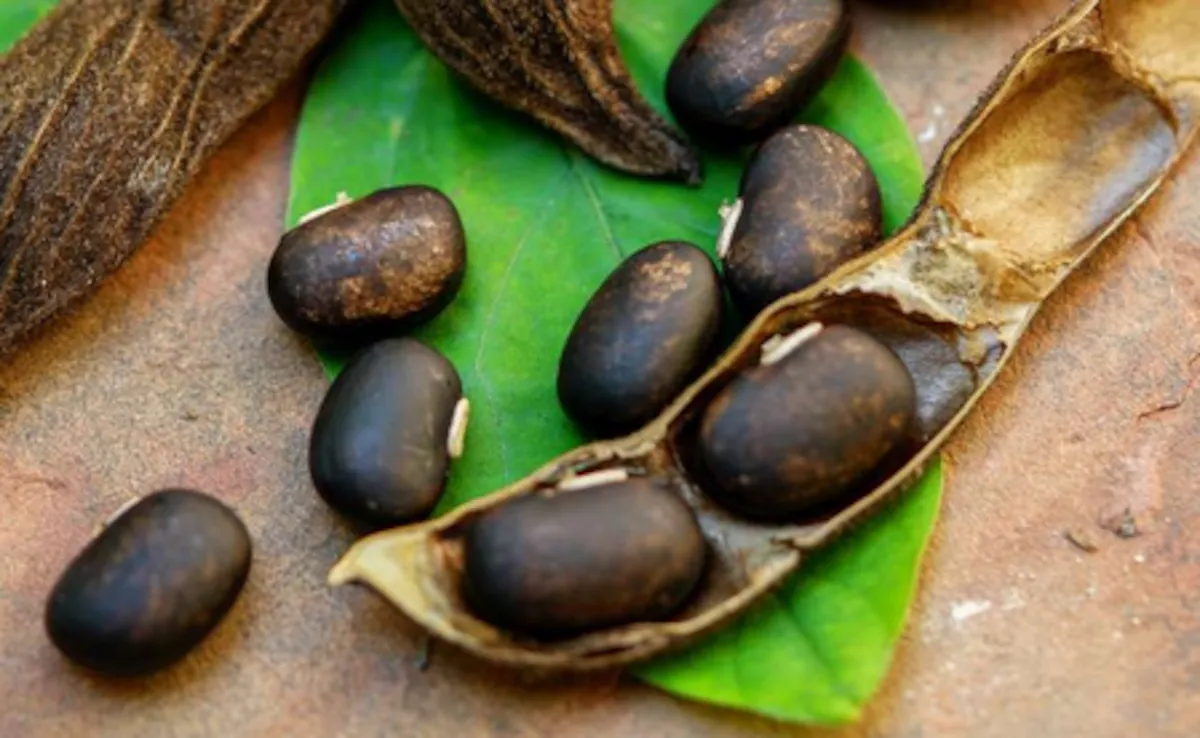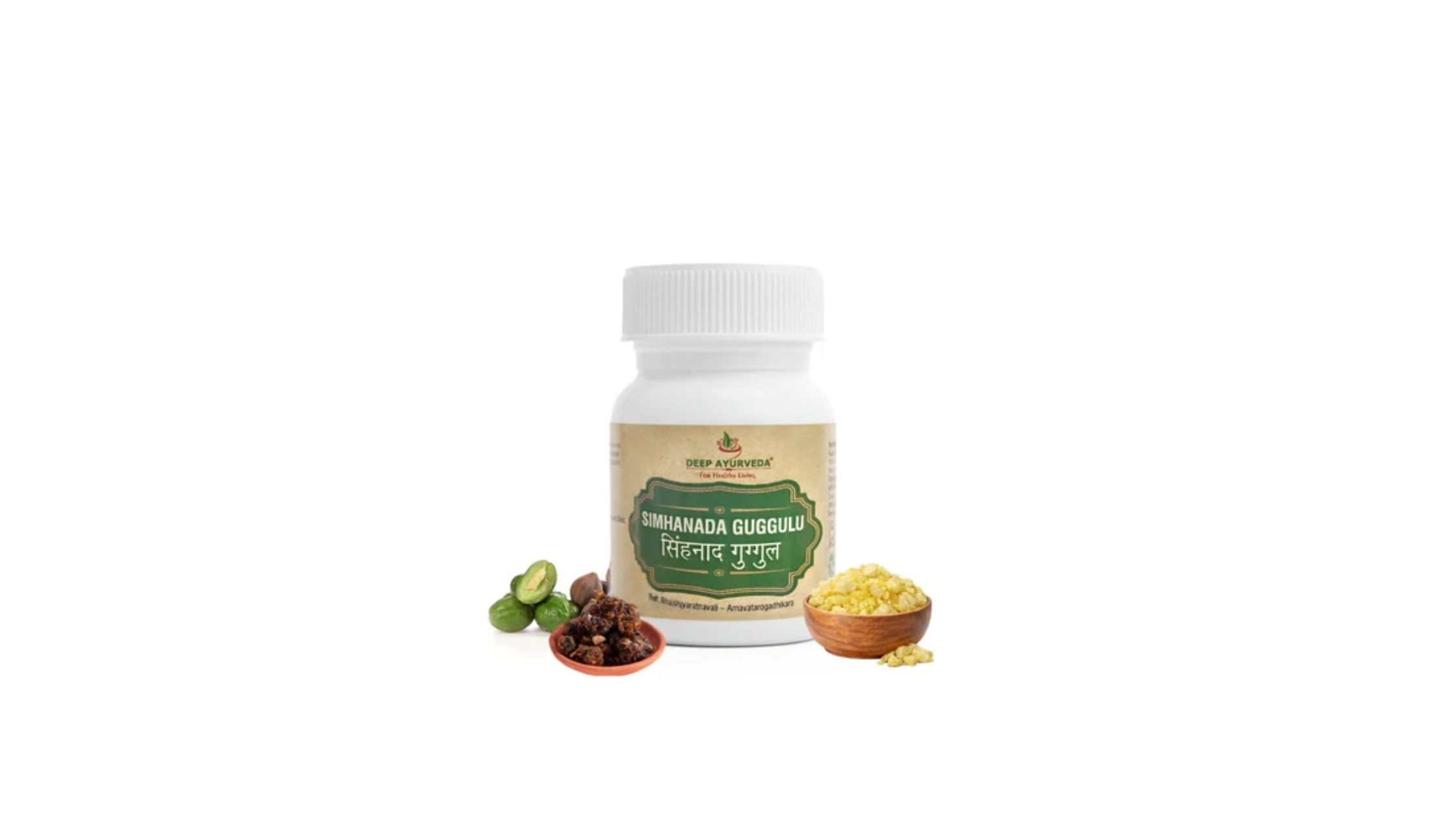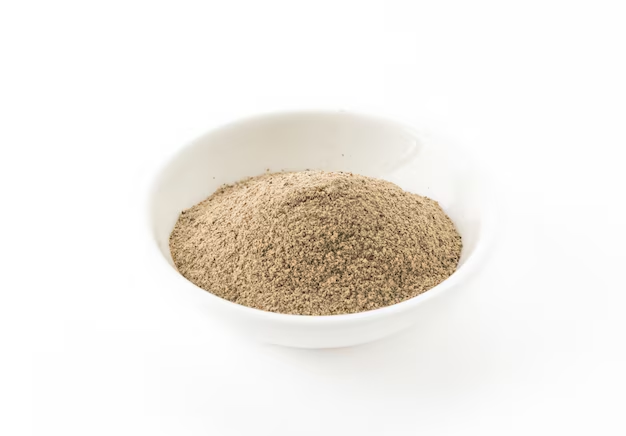

Deep Ayurveda Organic Pippali Powder
✅ 100% Ayurvedic & Safe for Daily Use ✅ Supports Healthy Digestion ✅ Boosts Immunity Naturally ✅ Enhances Metabolism & Weight Management
Pippali powder, also known as Long Pepper, is one of the most powerful yet underrated herbs in Ayurveda. While many people consider it just another spice, classical Ayurvedic texts describe Pippali as a Rasayana (rejuvenating herb) that deeply nourishes the body, especially the lungs and digestive system.
In my clinical experience as an Ayurvedic practitioner, I have seen Pippali work exceptionally well in chronic respiratory issues, weak digestion, and low immunity often where common remedies fail.
This guide will help you understand not just the benefits, but also the correct way to use Pippali powder, which is the key to getting real results.
What is Pippali Powder?
Pippali powder is prepared from the dried fruit of Piper longum, a classical Ayurvedic herb known for its powerful action on the digestive and respiratory systems. In Ayurveda, Pippali is not just used as a spice but is considered a Rasayana, meaning it helps rejuvenate the body and improve long-term health when used correctly.
One of the key reasons Pippali is so valued is its ability to balance Vata and Kapha doshas. It helps reduce excess mucus, supports clear breathing, and at the same time strengthens weak digestion without being too harsh on the system. This makes it especially useful in chronic conditions where both digestion and immunity are compromised.
From an Ayurvedic pharmacology perspective, Pippali has a Katu (pungent) taste, which helps stimulate digestive enzymes and improve appetite. Its Ushna (heating) potency works to remove coldness and congestion from the body, particularly in the lungs and digestive tract. Interestingly, despite its heating nature, its Madhura (sweet) post-digestive effect provides a nourishing and balancing influence, preventing excessive dryness or depletion over time.
In clinical practice, this unique combination of properties is what makes Pippali different from other common spices. Unlike black pepper, which mainly acts at a surface level, Pippali penetrates deeper into the tissues (Dhatus), making it more effective in long-standing or chronic health issues.
In many patients dealing with chronic respiratory problems or low digestive strength, Pippali often shows better and more sustained results compared to commonly used household spices.
Top Health Benefits of Pippali Powder
Pippali powder is a powerful Ayurvedic herb known for its deep action on digestion, lungs, and overall immunity. Unlike common spices, it works at the root level by balancing doshas and improving metabolic strength. When used correctly, it can support the body in managing both acute and chronic health conditions.
1. Improves Digestion & Boosts Metabolism
In Ayurveda, Pippali is known as an “Agni deepak,” meaning it helps kindle the digestive fire from within. Rather than giving temporary relief, it works gradually to strengthen overall digestion.
With regular use, it can reduce common issues like gas, bloating, and heaviness, especially in individuals with a naturally slow metabolism.
In my practice, I have observed that Pippali often provides deeper and more sustained digestive improvement compared to commonly used remedies like ginger.
2. Powerful for Cough, Cold & Lung Health
Pippali is widely valued for its action on the respiratory system, where it helps clear excess mucus and supports lung function. It works gently but effectively in improving breathing comfort.
It is especially useful in chronic cough, asthma, and seasonal allergies when used consistently and in the right form.
We often recommend Pippali with honey in chronic cough cases, and many patients start noticing visible relief within a few days.
3. Strengthens Immunity
Pippali is considered a Rasayana herb in Ayurveda, meaning it supports long-term vitality and immune strength. It helps nourish “Ojas,” which is regarded as the foundation of immunity.
Regular use may reduce the frequency of infections and support faster recovery after illness.
4. Supports Healthy Weight Loss
Pippali supports weight management indirectly by improving digestion and reducing the accumulation of “Ama” (toxins) in the body. A better metabolic process naturally helps in maintaining a healthy weight.
It can be particularly helpful for individuals who struggle with slow digestion and tend to gain weight easily.
5. Beneficial for Liver Health
Pippali plays a supportive role in maintaining liver health by enhancing metabolic activity and aiding the body’s natural detox processes. It is traditionally used to stimulate liver function.
In cases of mild liver imbalance, it may help improve both digestion and overall metabolic efficiency.
6. Helps in Chronic Fever & Weakness
In classical Ayurveda, Pippali is often used in conditions involving long-standing fever and post-illness fatigue. It helps the body regain strength gradually without overstimulation.
During recovery phases, it can support energy levels, improve stamina, and promote overall well-being.
Pippali Powder Uses in Ayurveda
In classical Ayurveda, Pippali is rarely used as a single herb. It is usually combined with suitable carriers (Anupana) to enhance its absorption and target specific health conditions more effectively.
With Honey
Taking Pippali powder with raw honey is a traditional remedy for cough, throat irritation, and excess mucus. This combination helps soothe the throat while clearing congestion from the respiratory tract.
In my clinical practice, this is one of the most commonly recommended remedies for patients dealing with chronic or seasonal cough.
With Ghee
When Pippali is taken with cow’s ghee, it works as a nourishing Rasayana that supports overall strength and recovery. It helps improve energy levels and is especially useful in people recovering from long-term illness or fatigue.
I often suggest this combination to patients who feel physically weak or depleted after illness.
With Milk
Consuming Pippali with warm milk is known to enhance immunity and promote better nourishment of body tissues. It supports long-term vitality and helps in improving stamina when used in the right dosage.
This method is particularly beneficial for individuals with low immunity or those looking for gentle, long-term rejuvenation.
In chronic respiratory conditions like asthma or long-standing cough, we usually combine Pippali with other Ayurvedic herbs rather than using it alone. This approach gives more stable and long-lasting results compared to single-herb use.
Dosage of Pippali Powder
Correct dosage of Pippali powder plays a very important role in achieving its benefits safely. In Ayurveda, even the most powerful herbs can give the best results only when used in the right quantity and according to an individual’s body type.
General Dosage
In most cases, the recommended daily dosage of Pippali powder ranges between 250 mg to 1 gram. This small quantity is usually enough to support digestion, improve respiratory health, and enhance immunity when taken regularly. It can be consumed with honey, warm water, or milk depending on the health condition.
From a clinical perspective, I usually advise starting with a lower dose and gradually adjusting based on how the body responds. This helps avoid unnecessary side effects like excess heat or acidity.
Classical Ayurvedic Method: Vardhamana Pippali Rasayana
Vardhamana Pippali Rasayana is a traditional Ayurvedic method where the dose of Pippali is increased gradually over a specific period. This is followed by a gradual reduction in dosage, allowing the body to adapt and receive maximum therapeutic benefits.
This method is especially useful in chronic conditions such as long-term respiratory issues, कमजोरी (weakness), and low immunity. It works at a deeper level by strengthening the body tissues and improving overall vitality.
However, based on my experience in practice, this therapy should never be self-administered. Since it involves a structured dosing pattern, it is always recommended to follow it under the supervision of a qualified Ayurvedic doctor to ensure safety and effectiveness.
Best Time to Take Pippali Powder
Choosing the right time to take Pippali powder can significantly improve its effectiveness. In Ayurveda, timing is often adjusted based on the individual’s condition, digestion strength, and treatment goal.
Morning (for digestion improvement)
Taking Pippali powder in the morning helps stimulate digestive fire (Agni), which is naturally low after waking up. It supports better digestion throughout the day and reduces issues like bloating and heaviness after meals.
Night (with milk for rejuvenation and strength)
When taken at night with warm milk, Pippali works as a rejuvenative (Rasayana) herb. It helps in improving strength, nourishing tissues, and supporting recovery, especially in people with weakness or chronic fatigue.
Who Should Use Pippali?
Pippali powder is not a one-size-fits-all remedy. In Ayurveda, its benefits depend on your body type (Prakriti) and the imbalance you are dealing with. When used correctly, it can be highly effective especially for people with respiratory issues, weak digestion, or low immunity.
Best for Kapha imbalance (cough, mucus)
Pippali is highly effective in reducing excess Kapha in the body. It helps clear mucus, supports lung function, and is especially useful for people dealing with chronic cough, cold, or congestion.
Best for Vata disorders (weak digestion)
In Vata-related conditions like poor digestion, gas, or irregular appetite, Pippali helps by strengthening digestive capacity. It provides warmth and stability, which are essential for balancing Vata.
Use with caution in Pitta individuals
Since Pippali has a heating nature, people with a dominant Pitta constitution may experience increased heat or acidity. It should be used in smaller doses and preferably under professional guidance in such cases.
This kind of personalized usage is often missing in general health content, but it plays a key role in achieving safe and effective results in Ayurveda.
Side Effects of Pippali Powder
Pippali powder is generally safe when used in the right dosage, but excessive or improper use may lead to certain side effects due to its strong heating nature. Understanding its possible reactions and knowing who should avoid it is essential for safe and effective use, especially in long-term or therapeutic applications.
Acidity
Excess consumption of Pippali can increase heat in the stomach, leading to acidity or discomfort. This is more common in individuals who already have a sensitive digestive system.
Burning sensation
Some people may experience a mild burning sensation in the body, especially if the dosage is higher than recommended. This usually indicates that the herb is being used beyond the body’s tolerance level.
Excess body heat
Due to its Ushna (hot) potency, overuse of Pippali can raise internal body heat. This may lead to symptoms like sweating, irritation, or a feeling of warmth in the body.
In my practice, most side effects are not due to the herb itself but because of incorrect dosage or ignoring body constitution (Prakriti).
Who Should Avoid Pippali?
Pippali is a potent, heating Ayurvedic herb, so it may not be suitable for everyone. Individuals with high Pitta constitution, active acidity, ulcers, or heat-related conditions should avoid or use it cautiously, as it can aggravate symptoms. Pregnant women and those with sensitive digestive systems should also consult a qualified Ayurvedic practitioner before using Pippali powder to prevent unwanted side effects.
Pregnant women
Pippali is a potent herb with strong metabolic effects, which may not be suitable during pregnancy. It is best avoided unless specifically advised by an Ayurvedic doctor.
People with ulcers
Due to its heating nature, Pippali can aggravate ulcer conditions or cause irritation in the stomach lining. Individuals with gastric or peptic ulcers should avoid its use.
Individuals with high Pitta (heat conditions)
People who already experience symptoms like acidity, excessive heat, or burning sensations should be cautious. Pippali may worsen these symptoms if not used properly.
Long-term use without guidance
Even though Pippali is beneficial, prolonged use without proper supervision may lead to imbalances. It is always advisable to consult a qualified practitioner for long-term consumption.
Pippali Powder vs Black Pepper
| Feature | Pippali | Black Pepper |
|---|---|---|
| Depth of Action | Deep (tissue level) | Surface level |
| Use | Medicinal | Culinary |
| Best For | Chronic conditions | Daily use |
How to Use Pippali Powder
Pippali powder can be used in different ways depending on your health goal and body type. In Ayurveda, it is commonly consumed with honey, warm water, ghee, or milk to enhance its effectiveness and absorption. The right combination and timing play a crucial role in maximizing its benefits while minimizing potential side effects, so it’s important to use it according to your specific condition.
For Cough
For relieving cough and throat irritation, Pippali powder can be taken with honey. Mix about ½ teaspoon of Pippali powder with 1 teaspoon of raw honey and consume it once or twice daily.
In my practice, this combination works especially well in dry cough and seasonal throat infections by helping to clear mucus and soothe the respiratory tract.
For Digestion
If you often experience bloating, gas, or heaviness after meals, Pippali powder can help improve digestion. Take a small pinch to ½ teaspoon of Pippali powder with warm water after food.
It gently stimulates digestive fire (Agni) and helps the body process food more efficiently without causing heaviness.
For Immunity
To support overall immunity, Pippali powder can be taken with warm milk and a pinch of turmeric. This combination nourishes the body and helps improve resistance against frequent infections.
I usually recommend this remedy to patients who feel weak or fall sick easily, especially during seasonal changes.
Scientific Research on Pippali
Modern research has started to validate many of the traditional uses of Pippali described in Ayurveda. Studies on Piper longum indicate the presence of bioactive compounds that contribute to its therapeutic effects.
Anti-inflammatory Properties
Research suggests that Pippali contains compounds with anti-inflammatory effects, which may help reduce internal inflammation. This can be particularly useful in conditions like respiratory disorders and joint discomfort, where inflammation plays a key role.
Enhances Bioavailability of Nutrients
Certain active components in Pippali are believed to improve the absorption of nutrients and herbal formulations in the body. This is why it is often used in Ayurveda as a “bio-enhancer” to increase the effectiveness of other medicines.
Supports Respiratory Health
Preliminary studies indicate that Pippali may help in improving respiratory function by reducing mucus buildup and supporting airway health. This aligns with its long-standing use in Ayurveda for managing cough, asthma, and bronchial conditions.
Final Thoughts
Pippali is not just a kitchen spice it is a powerful Ayurvedic medicine with deep healing potential. However, its effectiveness depends on how correctly it is used. From my experience, when Pippali is used according to dosha, condition, and proper dosage, it can deliver remarkable results—especially in chronic health issues.
Frequently Asked Question
Can I take Pippali daily?
Yes, but in small doses and under guidance.
Is Pippali good for cough?
Yes, it is one of the best natural remedies for cough.
Does Pippali help in weight loss?
It supports metabolism, which may aid weight management.
What is the best way to consume it?
With honey, milk, or warm water depending on the condition.