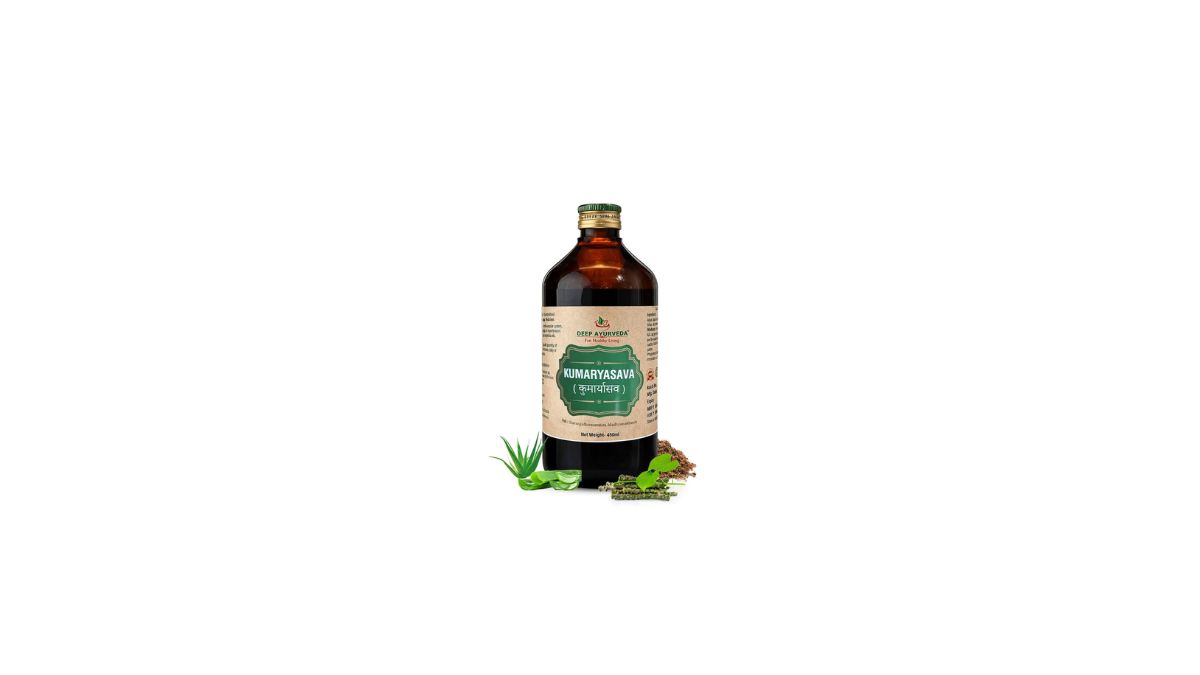

Deep Ayurveda kumaryasava
✅ Supports Healthy Digestion ✅ May Support Appetite ✅ Supports Liver and Metabolic Function ✅ Supports Healthy Menstrual Function ✅ Supports General Strength and Vitality
Introduction
Ayurveda has long emphasized the importance of maintaining balance in the body’s natural functions through carefully prepared herbal formulations. Among these, Kumaryasava is a well-known classical Ayurvedic fermented preparation (Asava) that has been traditionally used to support digestive health, metabolic balance, and overall well-being. Prepared using Kumari (Aloe vera) along with a blend of carefully selected herbs, Kumaryasava has been described in classical Ayurvedic texts for its role in supporting healthy Agni (digestive fire) and maintaining the body’s natural equilibrium.
Today, Kumaryasava continues to be widely used in Ayurvedic practice because of its thoughtfully designed herbal composition. Unlike modern formulations that often focus on a single ingredient, Kumaryasava combines multiple herbs that work together according to Ayurvedic principles to support the body’s physiological functions.
However, many online articles discuss only its basic benefits while overlooking why this formulation was created, how it works according to Ayurveda, and the factors an Ayurvedic physician considers before recommending it. Understanding these aspects helps readers appreciate Kumaryasava beyond a simple list of ingredients or uses.
In this comprehensive guide, we will explore:
- What Kumaryasava is and its classical Ayurvedic background
- Its key herbal ingredients and their traditional roles
- How Kumaryasava works according to Ayurvedic principles
- Traditional uses and potential wellness benefits
- Dosage, precautions, and safety considerations
- Diet and lifestyle recommendations while taking Kumaryasava
- Frequently asked questions based on common user queries
Whether you are learning about Kumaryasava for the first time or looking for reliable Ayurvedic information, this guide aims to provide practical, evidence-informed insights while staying true to the principles of classical Ayurveda.
Kumaryasava at a Glance
| Parameter | Details |
|---|---|
| Classical Formulation | Ayurvedic Asava (naturally fermented herbal preparation) |
| Primary Ingredient | Kumari (Aloe vera) |
| Traditional System | Ayurveda |
| Dosha Focus | Used by Ayurvedic physicians according to individual Prakriti, Vikriti, Agni, and overall assessment |
| Common Traditional Purpose | Supports digestive health, appetite, metabolic balance, and general wellness |
| Form | Liquid fermented herbal formulation |
| Best Taken | As advised by an Ayurvedic physician or according to the product label |
| Suitable For | Adults unless otherwise advised by a qualified healthcare professional |
| Storage | Store in a cool, dry place away from direct sunlight |
What is Kumaryasava?
Kumaryasava is a classical Ayurvedic fermented herbal formulation prepared primarily from Kumari (Aloe vera) along with several herbs that are traditionally valued for supporting digestion, metabolism, and overall wellness. It belongs to a group of Ayurvedic preparations known as Asava, which are made through a natural fermentation process that enhances the extraction and preservation of herbal constituents.
The name Kumaryasava is derived from two Sanskrit words:
- Kumari – Aloe vera, the principal ingredient.
- Asava – A naturally fermented Ayurvedic liquid preparation.
Unlike herbal decoctions that are consumed soon after preparation, Asava formulations undergo controlled fermentation using traditional methods. This process produces a self-generated, very small amount of natural alcohol, which traditionally serves as a preservative and helps deliver the herbal constituents effectively. Kumaryasava should not be confused with alcoholic beverages; its preparation follows classical Ayurvedic pharmaceutical methods.
Why is Kumari (Aloe vera) Used?
In Ayurveda, Kumari is traditionally described as a herb that supports healthy digestion and contributes to overall physiological balance when used appropriately. Classical texts also describe it as an important ingredient in formulations intended to support normal digestive function and healthy metabolic processes.
However, Kumaryasava is more than just Aloe vera juice. Its effectiveness in Ayurveda is attributed to the synergistic action of multiple herbs working together, rather than relying on a single ingredient.
Historical Background and Classical Ayurvedic Reference
Kumaryasava is one of the well-known classical Ayurvedic Asava formulations that has been used for generations in traditional Ayurvedic practice. The formulation is described in renowned Ayurvedic texts, where Kumari (Aloe vera) is combined with a carefully selected group of herbs to create a naturally fermented preparation. According to Ayurveda, the purpose of this combination is not merely to blend herbs but to achieve a synergistic effect, where each ingredient complements the others to support the body’s natural balance.
Classical Ayurvedic literature emphasizes that maintaining Agni (digestive fire) is fundamental to good health. When Agni functions optimally, food is digested efficiently, nutrients are properly assimilated, and the body is better able to maintain its natural equilibrium. Conversely, an imbalance in Agni may lead to the accumulation of Ama (metabolic waste), which Ayurveda considers an important factor in many health imbalances.
Kumaryasava was traditionally formulated with this Ayurvedic philosophy in mind. Rather than targeting a single concern, it is designed to support multiple physiological systems through its balanced herbal composition. This holistic approach reflects one of Ayurveda’s core principles—treating the individual as a whole rather than focusing on isolated symptoms.
Classical Ayurvedic Perspective
Ancient Ayurvedic scholars developed Asava formulations to preserve the potency of herbs while enhancing their absorption. The natural fermentation process used in preparing Kumaryasava is an excellent example of this traditional pharmaceutical wisdom. Even today, this method continues to be followed by reputable Ayurvedic manufacturers to maintain the authenticity of the formulation.
What Makes Kumaryasava Unique Among Ayurvedic Fermented Formulations?
Ayurveda includes many classical Asava and Arishta formulations, each developed for a specific Ayurvedic purpose. While they all undergo natural fermentation, their ingredients, formulation philosophy, and traditional applications differ significantly.
What makes Kumaryasava unique is its primary ingredient—Kumari (Aloe vera)—combined with digestive, metabolic, and supportive herbs. Instead of depending on one herb alone, the formulation follows Ayurveda’s principle of polyherbal synergy, where multiple herbs contribute to a balanced action.
Key Features of Kumaryasava
✔ Prepared through natural fermentation using traditional Ayurvedic methods.
✔ Contains Kumari (Aloe vera) as its principal herbal ingredient.
✔ Polyherbal formulation, where each herb complements the others.
✔ Traditionally used by Ayurvedic physicians after assessing an individual’s Prakriti (body constitution), Agni (digestive capacity), Dosha imbalance, and overall health status.
✔ Designed according to the holistic principles of Ayurveda rather than focusing on a single body system.
Unlike many modern herbal products that highlight one “active ingredient,” Kumaryasava reflects Ayurveda’s belief that balanced formulations often provide broader support than isolated herbs. The carefully selected combination of ingredients aims to maintain harmony within the body’s natural functions.
How is Kumaryasava Different from Other Asava Preparations?
Every classical Asava has a unique formulation and traditional role. Although all belong to the same category of naturally fermented Ayurvedic preparations, their composition determines their traditional use.
| Feature | Kumaryasava | Other Classical Asavas |
|---|---|---|
| Primary Herb | Kumari (Aloe vera) | Varies depending on the formulation |
| Preparation Method | Natural fermentation | Natural fermentation |
| Herbal Composition | Polyherbal | Polyherbal |
| Ayurvedic Selection | Based on Prakriti, Dosha, Agni, and physician assessment | Based on classical indications and individual assessment |
Why Does Natural Fermentation Matter?
One of the distinguishing characteristics of Kumaryasava is its traditional natural fermentation process. Unlike artificial fermentation or the addition of external alcohol, classical Ayurvedic pharmaceutics uses fermentation to naturally transform the herbal mixture.
From an Ayurvedic perspective, this process is believed to:
- Help preserve the herbal formulation.
- Support the extraction of phytoconstituents from herbs.
- Enhance the stability of the preparation.
- Improve the assimilation of herbal constituents according to traditional Ayurvedic principles.
It is important to understand that the naturally occurring alcohol generated during fermentation is part of the classical preparation process and differs from alcoholic beverages. It acts primarily as a natural preservative and extraction medium.
Complete Ingredients of Kumaryasava
The effectiveness of Kumaryasava lies in its polyherbal composition, where each ingredient has been carefully selected according to Ayurvedic principles. Unlike formulations that rely on a single herb, Kumaryasava combines Kumari (Aloe vera) with digestive, carminative, rejuvenating, and metabolism-supporting herbs to create a balanced classical preparation.
According to Ayurveda, every herb contributes its own Rasa (taste), Guna (qualities), Virya (potency), Vipaka (post-digestive effect), and Prabhava (specific action). When blended in the right proportions, these herbs work together harmoniously, which is known as Yogavahi or synergistic action.
Doctor’s Note: The exact composition of Kumaryasava may vary slightly depending on the classical reference followed by the manufacturer. However, authentic formulations remain faithful to the principles described in Ayurvedic pharmaceutics.
Key Ingredients of Kumaryasava and Their Traditional Ayurvedic Roles
Below are some of the principal herbs traditionally found in Kumaryasava and their classical significance.
| Ingredient | Botanical Name | Traditional Ayurvedic Role |
|---|---|---|
| Kumari | Aloe barbadensis (Aloe vera) | Traditionally used to support digestive fire (Agni), metabolism, and overall physiological balance. |
| Haritaki | Terminalia chebula | Traditionally valued for supporting healthy digestion and bowel regularity. |
| Bibhitaki | Terminalia bellirica | Used in Ayurveda to help maintain natural balance and support respiratory and digestive health. |
| Amalaki | Emblica officinalis | A renowned Rasayana herb traditionally used to support vitality and overall wellness. |
| Chitraka | Plumbago zeylanica | Traditionally used to stimulate Agni and support healthy digestion. |
| Pippali | Piper longum | Traditionally known for enhancing digestion and supporting the bioavailability of herbal formulations. |
| Maricha | Piper nigrum | Supports healthy digestive function and complements other herbs in the formulation. |
| Shunthi | Zingiber officinale | Traditionally used to support digestion and maintain digestive comfort. |
| Musta | Cyperus rotundus | Valued in Ayurveda for maintaining digestive balance and overall well-being. |
| Vidanga | Embelia ribes | Traditionally included to support digestive health and maintain intestinal balance. |
| Dhataki | Woodfordia fruticosa | A key herb that naturally supports the fermentation process in classical Asava preparations. |
How Kumaryasava Works According to Ayurveda
One of the most common questions people ask is, “How does Kumaryasava actually work?” While modern health discussions often focus on individual active compounds, Ayurveda explains the action of a formulation through the principles of Agni (digestive fire), Ama (metabolic waste), Doshas, Dhatus (body tissues), and Srotas (body channels).
From an Ayurvedic perspective, Kumaryasava is not designed to target a single organ or symptom. Instead, it is traditionally used to support the body’s natural physiological functions by improving internal balance. This holistic approach is one of the reasons classical Ayurvedic formulations have remained relevant for centuries.
1. Supporting Healthy Agni (Digestive Fire)
In Ayurveda, Agni is considered the foundation of good health because it governs digestion, nutrient absorption, and metabolism. When Agni is balanced, the body is better able to digest food efficiently and utilize nutrients for normal physiological functions.
Irregular meal timings, overeating, stress, inadequate sleep, and a sedentary lifestyle can gradually weaken Agni. Kumaryasava contains herbs such as Kumari, Chitraka, Pippali, Maricha, and Shunthi, which are traditionally valued in Ayurveda for supporting healthy digestion and maintaining balanced digestive fire.
2. Helping Maintain the Balance of Ama (Metabolic Waste)
According to Ayurveda, Ama refers to metabolic waste that forms when digestion is incomplete. Classical Ayurvedic texts describe Ama as a factor that may disturb the body’s natural balance if it accumulates over time.
Rather than addressing Ama directly, Ayurveda focuses on strengthening Agni first. By supporting healthy digestive function, Kumaryasava is traditionally used as part of an Ayurvedic approach to maintaining normal metabolism and reducing the likelihood of Ama formation.
Note: Ama is an Ayurvedic concept and should not be interpreted as a medical diagnosis in modern medicine.
3. Supporting Natural Dosha Balance
Ayurveda explains that health depends on the harmonious balance of the three Doshas—Vata, Pitta, and Kapha. Each Dosha plays a unique role in maintaining normal physiological functions, and an imbalance may influence overall well-being.
Kumaryasava is traditionally selected by Ayurvedic physicians after assessing a person’s Prakriti (body constitution), Vikriti (current imbalance), and digestive strength. This individualized approach helps ensure that the formulation is appropriate for the person’s specific Ayurvedic needs.
4. Supporting Healthy Srotas (Body Channels)
In Ayurveda, Srotas are the body’s channels that transport nutrients, fluids, and waste products. Healthy Srotas are essential for maintaining proper nourishment of tissues and the efficient elimination of waste.
Since digestion is closely linked to the functioning of these channels, Kumaryasava is traditionally used to support balanced digestive and metabolic processes, which in turn contribute to the healthy functioning of the Srotas.
5. Nourishing the Sapta Dhatus (Seven Body Tissues)
Ayurveda describes the body as being supported by seven fundamental tissues, known as the Sapta Dhatus—Rasa, Rakta, Mamsa, Meda, Asthi, Majja, and Shukra (or Artava in women). These tissues are believed to receive nourishment through proper digestion and metabolism.
By traditionally supporting Agni and healthy nutrient assimilation, Kumaryasava is viewed as part of Ayurveda’s holistic approach to maintaining the natural nourishment and balance of these body tissues.
6. Why Is Natural Fermentation Important?
One of the distinguishing features of Kumaryasava is its traditional natural fermentation process, which has been used in Ayurvedic pharmaceutics for centuries. This method helps preserve the formulation while supporting the extraction of beneficial herbal constituents.
The mild, naturally occurring alcohol formed during fermentation acts as a natural preservative and extraction medium. It is an integral part of the classical preparation method and should not be confused with alcoholic beverages.
1. Supports Healthy Digestion
One of the primary traditional uses of Kumaryasava is to support healthy digestive function.
Ayurveda considers digestion (Agni) to be the foundation of good health. When digestion functions efficiently, the body is better able to digest food, absorb nutrients, and maintain its natural balance.
The carefully selected herbs in Kumaryasava, including Kumari, Chitraka, Trikatu, and Musta, are traditionally valued for supporting digestive strength and promoting digestive comfort.
2. Helps Maintain a Healthy Appetite
Irregular eating habits, stress, and poor digestion may affect appetite.
In Ayurvedic practice, Kumaryasava is traditionally used to support balanced digestive fire, which in turn may help maintain a healthy appetite as part of normal digestive function.
Rather than stimulating appetite directly, Ayurveda focuses on improving the digestive environment so that the body’s natural hunger signals can function appropriately.
3. Supports Healthy Metabolism
Ayurveda views metabolism as an extension of healthy digestion. When Agni is functioning properly, food is transformed into nourishment for the body’s tissues. Kumaryasava is traditionally included in Ayurvedic practice to help support these natural metabolic processes.
4. Supports Liver Health from an Ayurvedic Perspective
The liver plays an important role in digestion and metabolism. Classical Ayurvedic texts emphasize maintaining healthy digestive and metabolic function to support overall wellness.
Since Kumari (Aloe vera) is the principal ingredient in Kumaryasava, the formulation has traditionally been included in Ayurvedic practice as part of a broader approach to supporting healthy liver function and metabolism.
It is important to note that Kumaryasava is not a replacement for medical treatment of liver diseases. Its traditional use should always be understood within the holistic framework of Ayurveda.
5. Supports Women’s Health in Traditional Ayurveda
Kumaryasava has long been recognized in Ayurvedic literature as a classical formulation that may be selected by Ayurvedic physicians when supporting women’s reproductive and gynecological wellness, depending on the individual’s constitution and health assessment.
In traditional Ayurvedic practice, it may be considered as part of a personalized approach to help maintain overall reproductive wellness and support normal physiological functions. Ayurvedic physicians always evaluate factors such as Prakriti, Dosha balance, Agni, age, and lifestyle before recommending this classical formulation.
6. Helps Maintain Healthy Bowel Function
Healthy bowel movements are considered an important indicator of balanced digestion in Ayurveda.
The herbs present in Kumaryasava are traditionally appreciated for helping maintain comfortable bowel habits and supporting the body’s natural elimination processes. According to Ayurvedic principles, regular bowel function reflects healthy digestion and contributes to overall well-being.
7. Supports Nutrient Assimilation
Eating nutritious food alone is not enough if the body cannot utilize it effectively.
Ayurveda teaches that balanced Agni helps the body absorb and assimilate nutrients more efficiently.
By supporting digestive function, Kumaryasava is traditionally believed to contribute to healthy nutrient utilization, which in turn supports overall vitality.
8. Supports Overall Wellness
One of the unique aspects of Ayurveda is its emphasis on holistic health rather than focusing on individual organs.
Because Kumaryasava supports digestion and metabolism according to Ayurvedic principles, it is traditionally regarded as a formulation that contributes to overall physiological balance and general wellness when used as part of a healthy lifestyle.
This holistic approach aligns with Ayurveda’s goal of promoting long-term well-being rather than simply addressing isolated concerns.
9. Supports Natural Energy Through Healthy Digestion
Ayurveda explains that energy is closely linked to the quality of digestion and nutrition.
When food is digested efficiently and nutrients are properly assimilated, the body is better able to maintain its natural energy levels.
Kumaryasava is traditionally used to support these foundational digestive processes, which may contribute to a greater sense of vitality as part of overall health.
10. Supports Holistic Health Through Personalized Ayurveda
Unlike many wellness products that are promoted as suitable for everyone, Kumaryasava is traditionally selected after a detailed Ayurvedic assessment.
A qualified Ayurvedic physician evaluates factors such as body constitution (Prakriti), current Dosha imbalance, digestive strength (Agni), lifestyle, seasonal influences, and overall health goals before deciding whether Kumaryasava is appropriate. This personalized approach is one of the fundamental principles that distinguishes Ayurveda from a one-size-fits-all system.
Traditional Uses of Kumaryasava in Ayurveda
Kumaryasava has been described in classical Ayurvedic literature as a polyherbal fermented formulation that is traditionally selected after evaluating an individual’s Prakriti (body constitution), Vikriti (current imbalance), Agni (digestive strength), age, lifestyle, and overall health status.
Unlike the modern approach of taking the same product for everyone with similar symptoms, Ayurveda emphasizes personalized care. For this reason, Kumaryasava is traditionally prescribed only after a comprehensive Ayurvedic assessment.
Doctor’s Insight: In my clinical practice, I never recommend Kumaryasava based solely on one complaint. A detailed understanding of the person’s digestion, lifestyle, body constitution, and overall health helps determine whether this classical formulation is appropriate.
1. Traditionally Used to Support Digestive Wellness
One of the most common traditional applications of Kumaryasava is supporting healthy digestion.
According to Ayurveda, balanced digestion is the foundation of overall well-being. When Agni functions efficiently, food is properly digested, nutrients are assimilated, and the body’s natural balance is maintained.
An Ayurvedic physician may consider Kumaryasava when the primary goal is to support digestive function as part of a personalized wellness plan.
2. Traditionally Used to Support Appetite
Ayurveda recognizes that appetite reflects the state of digestive fire.
Irregular eating habits, emotional stress, seasonal changes, and poor lifestyle practices may influence normal appetite.
Kumaryasava is traditionally used to support healthy digestive function, which may help maintain a balanced appetite as part of normal physiology.
3. Traditionally Used in Women’s Wellness
Kumaryasava has traditionally been included in Ayurvedic care for women’s wellness after a detailed assessment by an Ayurvedic physician. Rather than recommending the same formulation to everyone, Ayurveda considers each woman’s unique constitution and overall health before selecting a classical medicine.
Before recommending Kumaryasava, an Ayurvedic physician may evaluate:
Body Constitution (Prakriti): Every woman has a unique Ayurvedic constitution. Understanding whether Vata, Pitta, or Kapha is predominant helps determine if Kumaryasava is an appropriate choice.
Digestive Strength (Agni): Ayurveda considers healthy digestion essential for overall wellness. A physician evaluates digestive capacity before recommending any classical formulation.
Age and Life Stage: The body’s needs change with different stages of life. An Ayurvedic assessment takes age and overall physiological status into account before suggesting Kumaryasava.
Lifestyle and Daily Routine: Sleep patterns, stress levels, physical activity, and dietary habits all influence health. These factors are reviewed to ensure the formulation fits the individual’s lifestyle.
Overall Ayurvedic Assessment: Instead of focusing on a single concern, Ayurveda evaluates the person’s overall physical and mental balance to choose the most suitable formulation.
This personalized approach reflects one of Ayurveda’s core principles—the same medicine may not be suitable for every individual, even when their symptoms appear similar.
4. Traditionally Used During Personalized Ayurvedic Care
One of Ayurveda’s distinguishing features is its emphasis on individualized treatment. Rather than prescribing the same formulation to everyone, an Ayurvedic physician carefully evaluates several factors before selecting Kumaryasava.
Prakriti (Body Constitution): A person’s natural constitution influences how they respond to food, lifestyle, and herbal formulations. This helps guide personalized recommendations.
Current Dosha Imbalance (Vikriti): The physician identifies which Doshas are currently out of balance and whether Kumaryasava aligns with the individual’s Ayurvedic needs.
Digestive Capacity (Agni): Since digestion is considered the foundation of health, assessing Agni is an important step before recommending any classical Ayurvedic formulation.
Daily Routine (Dinacharya): Eating habits, sleeping patterns, work schedules, and other daily practices are reviewed because they play a significant role in maintaining overall balance.
Seasonal Influences (Ritucharya): Ayurveda recognizes that seasonal changes affect the body. The suitability of a formulation may vary depending on the time of year and the individual’s response to seasonal transitions.
Overall Health Status: The final recommendation is based on a complete understanding of the individual’s health rather than a single complaint or symptom.
4. Traditionally Used to Support Healthy Metabolic Function
Ayurveda places great importance on balanced metabolism, which is closely linked to digestive health.
By supporting Agni and the body’s natural digestive processes, Kumaryasava has traditionally been used as part of a holistic strategy to maintain healthy metabolic function.
5. Traditionally Used to Support Natural Elimination
Healthy elimination is considered an important aspect of digestive wellness in Ayurveda.
An Ayurvedic physician may recommend dietary changes, lifestyle modifications, and classical formulations such as Kumaryasava to help support normal digestive function and natural elimination when appropriate.
When May an Ayurvedic Physician Consider Kumaryasava?
Selecting a classical Ayurvedic formulation is a thoughtful process. Instead of recommending Kumaryasava based on symptoms alone, an Ayurvedic physician performs a comprehensive assessment to understand the root cause of the imbalance.
Digestive Strength (Agni)
The physician first evaluates the strength of digestion because Ayurveda considers Agni to be the cornerstone of health. Healthy digestion supports proper nourishment, while impaired digestion may require a different Ayurvedic approach.
Body Constitution (Prakriti)
Every person has a unique constitutional makeup that influences their health needs. Understanding Prakriti helps determine whether Kumaryasava is appropriate for that individual.
Current Dosha Imbalance (Vikriti)
The physician assesses which Doshas are currently disturbed and whether the herbal formulation supports restoring balance according to Ayurvedic principles.
Dietary Habits
Daily food choices provide valuable insight into digestive health. Meal timing, food quality, eating patterns, and long-term dietary habits are carefully considered during the consultation.
Lifestyle Factors
Lifestyle plays an equally important role in Ayurveda. Physical activity, stress management, sleep quality, work routine, and seasonal adaptation all influence the physician’s recommendation.
Why Self-Medication May Not Be the Best Choice
Many people purchase Ayurvedic medicines after reading about them online or receiving recommendations from friends. However, classical formulations such as Kumaryasava are traditionally intended to be selected after an individualized Ayurvedic assessment.
Before recommending Kumaryasava, an Ayurvedic physician carefully considers several important factors.
Individual Constitution: The formulation should complement the person’s natural body constitution rather than being chosen solely because of a symptom.
Appropriate Formulation: Sometimes another classical Ayurvedic medicine may be more suitable depending on the person’s digestive strength and Dosha imbalance.
Correct Dosage: The amount of Kumaryasava recommended can vary according to age, constitution, and the physician’s assessment.
Duration of Use: Ayurveda also considers how long a formulation should be taken to support the individual’s wellness goals.
Diet and Lifestyle Support: Herbal formulations are most effective when combined with suitable dietary choices and healthy lifestyle practices recommended by an Ayurvedic physician.
Doctor’s Perspective: One of the most common misconceptions is that every herbal medicine is suitable for everyone because it is natural. Ayurveda follows a different philosophy—it focuses on selecting the right formulation for the right person at the right time, based on a complete understanding of the individual’s health.
Supporting Ayurveda with Healthy Lifestyle Habits
Ayurveda teaches that herbal formulations work best when combined with healthy daily habits. Kumaryasava should be viewed as one component of a broader wellness approach rather than a substitute for balanced living.
Eat Fresh, Wholesome Meals: Freshly prepared, balanced meals are traditionally preferred in Ayurveda because they help support healthy digestion and overall well-being.
Follow Regular Meal Timings: Eating meals at consistent times each day helps maintain digestive rhythm and supports balanced Agni.
Avoid Overeating: Consuming more food than the body can comfortably digest may place additional strain on digestion. Ayurveda encourages moderation in both quantity and frequency of meals.
Practice Mindful Eating: Eating slowly, chewing food thoroughly, and avoiding distractions during meals are simple habits that support healthy digestion.
Stay Well Hydrated: Drinking adequate water throughout the day supports normal physiological functions. Ayurveda also recommends consuming fluids mindfully according to individual needs and seasonal conditions.
Prioritize Quality Sleep: Restful sleep is considered essential for maintaining physical and mental balance. Consistent sleep routines contribute to overall wellness.
Stay Physically Active: Gentle exercise, yoga, or regular walking can complement a healthy lifestyle and support the body’s natural balance.
Manage Stress Effectively: Practices such as meditation, yoga, and breathing exercises are traditionally encouraged in Ayurveda to help maintain emotional well-being and support a balanced lifestyle.
How to Take Kumaryasava: Dosage, Timing & Best Practices
One of the most frequently asked questions about Kumaryasava is “How should I take it for the best results?”
The answer depends on several factors, including your age, body constitution (Prakriti), digestive strength (Agni), health goals, and the advice of your Ayurvedic physician. Unlike over-the-counter wellness products that often have a standard dosage for everyone, Ayurveda follows a personalized approach.
Doctor’s Insight: The correct medicine taken at the wrong dose or at the wrong time may not provide the desired benefit. In Ayurveda, the right formulation, right person, right dose, and right timing are all equally important.
Recommended Dosage of Kumaryasava
The dosage of Kumaryasava should always be taken according to the product label or as advised by a qualified Ayurvedic physician.
The following is a general reference commonly used in Ayurvedic practice for adults:
| Age Group | General Guidance |
|---|---|
| Adults | Use as directed on the product label or as prescribed by an Ayurvedic physician. |
| Children | Only under the supervision of a qualified healthcare professional. |
Since different manufacturers may have slight variations in concentration and formulation, always follow the dosage instructions provided with your specific product.
When Is the Best Time to Take Kumaryasava?
Traditionally, Kumaryasava is taken after meals, usually mixed with an equal quantity of water, unless a qualified Ayurvedic physician recommends otherwise. Taking it after meals aligns with the traditional method of using many classical Asava formulations and may support comfortable digestion.
However, the ideal time can vary from person to person. An Ayurvedic physician may adjust the timing after evaluating your digestive strength (Agni), body constitution (Prakriti), current health condition, and the purpose for which Kumaryasava has been recommended. If you are taking other Ayurvedic or modern medicines, your healthcare provider may also advise an appropriate schedule to avoid unnecessary overlap.
Doctor’s Note: Always follow the dosage and timing mentioned on the product label or as prescribed by your Ayurvedic physician. Avoid changing the schedule on your own without professional guidance.
Should Kumaryasava Be Taken With Water?
Yes. In traditional Ayurvedic practice, Kumaryasava is generally diluted with an equal quantity of water before consumption. This method has been followed for centuries and is commonly recommended for most classical Asava preparations.
Diluting the formulation with water not only makes it easier to consume but also follows the traditional administration method described in Ayurvedic pharmaceutics. Unless your physician provides different instructions or the product label specifies otherwise, taking it with an equal amount of water is generally considered the preferred approach.
How Long Should Kumaryasava Be Taken?
There is no fixed duration that applies to everyone. The length of time for which Kumaryasava is used depends on several individual factors, including your overall health, digestive capacity, response to the formulation, and your Ayurvedic physician’s assessment.
Some individuals may be advised to use it for a shorter period, while others may require a longer course as part of a personalized Ayurvedic wellness plan. Rather than continuing the formulation indefinitely, it is advisable to have your progress reviewed periodically by your healthcare provider to determine whether any adjustments are needed.
What If You Miss a Dose?
If you forget to take a dose of Kumaryasava, take it as soon as you remember, provided it is not close to the time of your next scheduled dose. If your next dose is due soon, simply skip the missed dose and continue with your regular schedule.
Avoid taking a double dose to compensate for the missed one. Consistency is more important than taking extra medicine, and following the recommended schedule helps maintain an appropriate routine.
Can Kumaryasava Be Taken Along With Other Ayurvedic Medicines?
In Ayurvedic practice, it is common for physicians to prescribe more than one classical formulation when they complement each other. However, this decision is based on a careful assessment of the individual’s constitution, digestive strength, current health condition, and overall treatment plan.
For this reason, it is best not to combine Kumaryasava with other Ayurvedic medicines on your own. If you are already taking another herbal formulation, discuss it with your Ayurvedic physician so that they can determine the most appropriate combination and dosage for your needs.
Can Kumaryasava Be Taken Along With Modern Medicines?
If you are currently taking prescription medicines, over-the-counter medications, or dietary supplements, it is important to inform both your Ayurvedic physician and your primary healthcare provider before starting Kumaryasava.
Sharing a complete list of your medicines helps your healthcare team provide guidance that is appropriate for your individual circumstances. They can also advise you on the best timing for taking different medicines and whether any additional precautions are necessary.
Tips to Get the Best Results
The effectiveness of Kumaryasava depends not only on the formulation itself but also on your daily routine and lifestyle. Ayurveda considers medicine, diet, and lifestyle as complementary aspects of health rather than separate components.
For the best results, take Kumaryasava regularly in the recommended dosage and avoid skipping doses unnecessarily. Following a balanced diet, eating meals at consistent times, staying physically active, getting adequate sleep, and managing stress through healthy practices such as yoga or meditation can further support your overall well-being. When these healthy habits are combined with personalized Ayurvedic guidance, they help create an environment that supports long-term wellness.
Common Mistakes to Avoid
One of the most common mistakes people make is assuming that taking a larger dose will produce faster or better results. Classical Ayurvedic formulations should always be used in the recommended quantity, as increasing the dosage without professional advice is not advisable.
Another frequent mistake is starting Kumaryasava simply because it worked for someone else. Ayurveda is based on individualized care, so a formulation that suits one person may not necessarily be suitable for another.
Many people also overlook the importance of following the instructions provided on the product label or by their Ayurvedic physician. In addition, expecting immediate results while ignoring dietary and lifestyle recommendations may reduce the overall effectiveness of an Ayurvedic wellness plan.
Finally, avoid combining multiple herbal products without professional guidance or continuing Kumaryasava for extended periods without periodic review. Regular follow-up with a qualified Ayurvedic physician helps ensure that the formulation remains appropriate for your changing health needs.
Possible Side Effects, Safety & Precautions of Kumaryasava
Kumaryasava is a classical Ayurvedic formulation that has been traditionally used for generations. When prepared according to authentic Ayurvedic methods and taken in the recommended dosage under the guidance of a qualified Ayurvedic physician, it is generally considered well tolerated by many individuals.
However, like any herbal or conventional medicine, Kumaryasava may not be suitable for everyone. Its safety depends on factors such as an individual’s body constitution (Prakriti), digestive strength (Agni), age, existing health conditions, and other medicines being used.
Is Kumaryasava Safe?
When used responsibly and according to professional advice, Kumaryasava has a long history of traditional use in Ayurveda. Its safety depends on several factors, including the quality of the product and whether it is appropriate for the individual.
Choose an Authentic Product
Always purchase Kumaryasava from a trusted Ayurvedic manufacturer that follows classical preparation methods and quality standards. A genuine product is more likely to provide consistent quality and reliable herbal ingredients.
Follow the Recommended Dosage
Taking more than the recommended amount does not improve results and may increase the likelihood of unwanted effects. Follow the dosage mentioned on the product label or the advice of your Ayurvedic physician.
Use It for the Recommended Duration
The duration of use should be based on your individual health needs. Avoid continuing Kumaryasava for extended periods without regular review by a qualified Ayurvedic practitioner.
Share Your Medical History
Before starting Kumaryasava, inform your healthcare provider about any existing medical conditions, prescription medicines, or herbal supplements you are taking. This helps ensure the formulation is appropriate for your overall health.
Can Kumaryasava Cause Side Effects?
Most people tolerate Kumaryasava well when it is used appropriately. However, like any herbal formulation, individual responses can vary depending on health status, body constitution, and the way it is used.
Taking More Than the Recommended Dose
Using larger amounts than advised is unlikely to provide additional benefits and may increase the chance of digestive discomfort. Always use the formulation exactly as directed.
Individual Body Constitution
Ayurveda recognizes that every individual has a unique body constitution (Prakriti). A formulation that suits one person may not be equally suitable for another without proper assessment.
Digestive Strength
The condition of your digestive fire (Agni) plays an important role in Ayurvedic medicine selection. If your digestive capacity is weak or imbalanced, an Ayurvedic physician may recommend a different approach or adjust the dosage.
Sensitivity to Herbal Ingredients
Although uncommon, some individuals may be sensitive to one or more herbs present in Kumaryasava. If you notice any unusual symptoms after starting the formulation, discontinue its use and seek professional advice.
Who Should Take Extra Precautions?
Certain individuals should consult a qualified healthcare professional before using Kumaryasava to ensure it is appropriate for their specific health needs.
During Pregnancy
Pregnancy is a time when any herbal formulation should be used only after professional medical advice. Self-medication is not recommended, even with traditional Ayurvedic preparations.
While Breastfeeding
Breastfeeding mothers should consult their healthcare provider before taking Kumaryasava. Individual assessment helps determine whether the formulation is appropriate during this stage.
People with Chronic Health Conditions
If you have an existing medical condition such as diabetes, liver disease, kidney disease, or any long-term illness, seek professional guidance before starting Kumaryasava.
Individuals with Herbal Allergies
People who have experienced allergic reactions to herbal products in the past should review the ingredient list carefully and discuss it with their healthcare provider before use.
Those Taking Other Medicines
If you regularly take prescription medicines, over-the-counter drugs, or nutritional supplements, inform your doctor or Ayurvedic physician before adding Kumaryasava to your routine.
Long-Term Users
If Kumaryasava has been recommended for an extended period, regular follow-up with your healthcare provider is advisable to review your progress and ongoing suitability.
When Should You Stop Taking Kumaryasava?
Although Kumaryasava is generally well tolerated when used appropriately, there are situations where professional advice should be sought promptly.
Unexpected Symptoms
If you notice any unusual symptoms after starting Kumaryasava, stop using the formulation and consult your healthcare provider for further evaluation.
Symptoms Become Worse
If your original health concern worsens or new symptoms appear, it is important to seek medical advice instead of continuing self-treatment.
Allergic Reactions
Signs such as skin rash, swelling, itching, or difficulty breathing require immediate medical attention. Discontinue the formulation and seek urgent healthcare if these occur.
Medical Advice to Stop
If your doctor or Ayurvedic physician advises you to discontinue Kumaryasava for any reason, follow their recommendations and discuss suitable alternatives if needed.
How to Store Kumaryasava
Proper storage helps preserve the quality, stability, and effectiveness of the formulation throughout its shelf life.
Store in a Cool and Dry Place
Keep the bottle in a clean, dry place away from excessive moisture and heat. Avoid storing it near kitchen stoves or humid areas.
Protect from Direct Sunlight
Exposure to direct sunlight may affect the quality of herbal formulations. Store the bottle in a shaded location at room temperature unless otherwise mentioned on the label.
Close the Bottle Tightly
Always replace the cap securely after every use. This helps maintain the quality of the formulation and reduces the risk of contamination.
Keep Away from Children
Store Kumaryasava in a safe location where children cannot access it accidentally.
Check the Expiry Date
Do not consume Kumaryasava after the expiry date printed on the label. Using expired herbal formulations is not recommended.
Diet & Lifestyle Tips While Taking Kumaryasava
In Ayurveda, medicine alone is never considered enough. A classical formulation like Kumaryasava is traditionally used as one part of a broader wellness approach that also includes Pathya (recommended diet and lifestyle) and Apathya (habits to avoid).
Ancient Ayurvedic texts emphasize that even the most carefully prepared medicine may not provide its intended support if a person’s daily routine, eating habits, and lifestyle consistently disturb digestion and metabolism.
Doctor’s Insight: During consultations, I often tell my patients that their daily routine acts like a second medicine. A balanced diet, regular sleep, mindful eating, and physical activity work together with Ayurvedic formulations to support long-term well-being.
What is Pathya in Ayurveda?
The Sanskrit word Pathya refers to foods, habits, and routines that support the body’s natural balance and complement an individual’s health goals.
Pathya is never a one-size-fits-all diet. An Ayurvedic physician recommends dietary and lifestyle practices after evaluating a person’s Prakriti (body constitution), Dosha balance, digestive strength (Agni), age, lifestyle, and even seasonal changes (Ritucharya). This personalized approach is one of Ayurveda’s core principles.
Foods Traditionally Encouraged (Pathya)
A balanced, freshly prepared diet is considered an essential part of Ayurvedic living. Choosing wholesome, seasonal, and easy-to-digest foods helps support healthy digestion and complements the traditional use of Kumaryasava.
Freshly Cooked Home-Cooked Meals
Ayurveda traditionally recommends freshly prepared meals because they are considered lighter, more nourishing, and easier to digest than processed or stale foods. Including seasonal vegetables, whole grains, homemade soups, and simple home-cooked dishes can help maintain digestive balance.
Warm and Easily Digestible Foods
Warm meals are generally preferred in Ayurveda as they are believed to support healthy digestive fire (Agni). Light preparations such as khichdi, moong dal, vegetable soups, steamed vegetables, and freshly cooked rice are commonly recommended as part of a balanced diet.
Fiber-Rich Foods
Natural sources of dietary fiber, including fresh fruits, leafy vegetables, whole grains, and legumes, support normal digestive function and contribute to overall gut health. The choice of foods should always be adjusted according to individual digestive tolerance.
Adequate Hydration
Maintaining proper hydration is important for overall health and normal digestive function. Drinking sufficient water throughout the day and limiting sugary beverages can support healthy daily habits. Some individuals may also prefer warm water based on Ayurvedic advice.
Seasonal Fruits and Vegetables
Ayurveda encourages eating fruits and vegetables that naturally grow during the current season. Seasonal produce is traditionally considered more compatible with the body’s changing needs and helps create a varied, nutrient-rich diet.
Foods and Habits Traditionally Discouraged (Apathya)
Ayurveda also identifies certain eating patterns and lifestyle habits that may interfere with healthy digestion and overall balance. While recommendations vary from person to person, the following habits are generally minimized.
Excessively Oily and Deep-Fried Foods
Heavy, greasy, and deep-fried foods may be difficult to digest for some individuals and are traditionally consumed in moderation. Replacing them with lighter cooking methods can better support healthy eating habits.
Highly Processed Foods
Packaged snacks, fast food, sugary desserts, and artificially flavored beverages are generally discouraged because they do not align with Ayurveda’s emphasis on fresh, wholesome nutrition. Choosing minimally processed foods helps create a healthier daily diet.
Irregular Meal Timings
Eating at inconsistent times or frequently skipping meals may affect normal digestive rhythms. Ayurveda traditionally encourages regular meal timings and allowing sufficient time for digestion between meals.
Overeating
Consuming more food than the body comfortably requires may place additional strain on digestion. Ayurveda recommends eating mindfully and stopping when you feel comfortably satisfied rather than overly full.
Eating Too Quickly
Rushed meals may reduce awareness of hunger and fullness cues. Taking time to chew food thoroughly and eating without distractions encourages mindful eating and supports a more enjoyable mealtime experience.
Lifestyle Tips to Complement Kumaryasava
Healthy lifestyle habits play an important role in Ayurveda. When combined with a balanced diet and appropriate Ayurvedic guidance, these practices help support long-term well-being.
Maintain Regular Meal Timings
Eating meals at consistent times each day helps establish a regular routine and supports healthy digestive patterns. Avoiding late-night meals may also contribute to better digestive comfort.
Stay Physically Active
Regular physical activity is an important part of a healthy lifestyle. Activities such as walking, yoga, stretching, cycling, or other moderate exercises can help support overall physical fitness and complement Ayurvedic wellness practices.
Prioritize Quality Sleep
Adequate sleep allows the body to rest and recover. Maintaining a consistent sleep schedule and getting sufficient rest each night supports overall health and complements healthy daily routines.
Manage Stress Mindfully
Chronic stress can influence overall well-being and eating habits. Ayurveda traditionally recommends relaxation practices such as meditation, yoga, Pranayama (breathing exercises), and spending time in nature to help maintain mental balance.
Mindful Eating: A Timeless Ayurvedic Practice
Ayurveda teaches that how you eat is just as important as what you eat. Eating in a calm environment, chewing food thoroughly, avoiding distractions like television or mobile phones, and eating only when genuinely hungry are simple habits that encourage mindful eating and support healthy digestion.
Daily Routine (Dinacharya) Matters
A consistent daily routine, known as Dinacharya, is considered one of the foundations of Ayurvedic living. Waking up and sleeping at regular times, maintaining personal hygiene, staying physically active, eating meals on schedule, and taking time to relax each day all contribute to long-term health and well-being.
Common Mistakes People Make While Taking Kumaryasava
One of the reasons people may not get the expected results from an Ayurvedic formulation is not the medicine itself, but the way it is used. Ayurveda emphasizes that the effectiveness of a classical formulation depends on the right medicine, the right person, the right dosage, the right diet, and the right lifestyle.
In my experience as an Ayurvedic physician, many people begin taking Kumaryasava after reading online reviews or advice from friends without understanding whether it is suitable for their individual constitution and health needs.
Avoiding the following common mistakes can help you use Kumaryasava more responsibly and in accordance with Ayurvedic principles.
1. Self-Medicating Without Professional Guidance
Self-medicating is one of the most common mistakes people make with Ayurvedic formulations. Many individuals start taking Kumaryasava after reading online articles or recommendations without understanding whether it matches their Prakriti (body constitution), Agni (digestive strength), or current health status. Since Ayurveda follows a personalized approach, consulting a qualified Ayurvedic physician helps ensure the formulation is appropriate for your individual needs.
2. Ignoring the Recommended Dosage
Taking a larger quantity of Kumaryasava does not necessarily provide faster or better results. Classical Ayurvedic formulations are intended to be taken in the recommended dosage, and exceeding that amount may not offer additional benefits. Always follow the dosage instructions on the product label or the advice of your Ayurvedic physician.
3. Expecting Immediate Results
Ayurveda focuses on restoring the body’s natural balance through a gradual and holistic approach. Kumaryasava is traditionally used alongside appropriate diet and lifestyle practices, so patience and consistency are important while following an Ayurvedic wellness plan.
4. Neglecting Diet and Lifestyle
Herbal formulations work best when they are supported by healthy daily habits. Continuing with irregular meal timings, processed foods, poor sleep, or a sedentary lifestyle may reduce the overall effectiveness of your wellness routine. Ayurveda emphasizes that medicine and lifestyle should work together.
5. Skipping Meals While Taking Kumaryasava
Skipping meals in an attempt to improve digestion is generally not encouraged in Ayurveda. Instead, regular, balanced meals that suit your digestive capacity help maintain healthy Agni (digestive fire) and support overall digestive wellness.
6. Choosing Low-Quality Products
The quality of an Ayurvedic formulation depends on authentic herbs, proper manufacturing practices, and adherence to classical preparation methods. Choosing Kumaryasava from a reputable manufacturer that follows Good Manufacturing Practices (GMP) helps ensure consistency, purity, and quality.
7. Combining Multiple Herbal Formulations Without Advice
Some people take several Ayurvedic products together without understanding how they fit into an individualized treatment plan. Since each formulation has a unique purpose in Ayurveda, it is advisable to consult an Ayurvedic physician before combining Kumaryasava with other herbal preparations or supplements.
8. Ignoring Existing Medical Conditions
If you have a chronic health condition or are taking prescription medicines, it is important to inform your healthcare provider before starting Kumaryasava. This allows your treatment plan to be tailored to your health needs and supports safe, coordinated care.
9. Using Kumaryasava Inconsistently
Taking Kumaryasava only occasionally or stopping and restarting it without guidance may not align with the intended Ayurvedic approach. Following the recommended schedule consistently, as advised by your physician or the product label, supports responsible use.
10. Relying Only on Medicine
Kumaryasava is traditionally used as one part of a broader Ayurvedic wellness plan. A balanced diet, regular physical activity, adequate sleep, stress management, and healthy daily routines all play an important role in supporting long-term health alongside any herbal formulation.
Final Thoughts
Kumaryasava is more than a traditional herbal preparation—it represents the holistic philosophy of Ayurveda, where digestive health, balanced metabolism, and individualized care are central to overall well-being. Its carefully selected herbs and classical fermentation process reflect centuries of Ayurvedic knowledge aimed at supporting the body’s natural functions.
While Kumaryasava has a long history of traditional use, it is most beneficial when combined with a balanced diet, healthy lifestyle habits, and guidance from a qualified Ayurvedic physician. Ayurveda reminds us that lasting wellness is not achieved through medicine alone but through consistent daily choices that support harmony between the body, mind, and environment.
If you’re considering Kumaryasava as part of your wellness journey, choose a quality-assured classical formulation, follow the recommended dosage, and seek professional advice whenever needed. With the right approach, it can become a valuable component of a holistic Ayurvedic lifestyle rather than simply another herbal product.
Frequently Asked Questions
What is Kumaryasava?
Kumaryasava is a classical Ayurvedic Asava (naturally fermented herbal formulation) made primarily with Kumari (Aloe vera) and other traditional herbs to support digestive health and overall well-being according to Ayurvedic principles.
What are the traditional benefits of Kumaryasava?
In Ayurveda, Kumaryasava is traditionally used to support healthy digestion, appetite, metabolic balance, and overall wellness as part of an individualized Ayurvedic approach.
When should Kumaryasava be taken?
Kumaryasava is generally taken after meals, usually with an equal quantity of water, or as directed by an Ayurvedic physician or the product label.
Is Kumaryasava safe for daily use?
When taken in the recommended dosage and under the guidance of a qualified Ayurvedic physician, Kumaryasava has a long history of traditional use.
Can Kumaryasava be taken with other medicines?
If you are taking prescription medicines or other herbal supplements, consult your healthcare provider before using Kumaryasava to receive personalized guidance.
Does Kumaryasava contain alcohol?
Yes. Kumaryasava undergoes a natural fermentation process, which produces a small amount of self-generated alcohol that acts as a natural preservative and extraction medium.
Can I take Kumaryasava without consulting an Ayurvedic doctor?
Ayurveda recommends taking Kumaryasava only after an individual assessment by a qualified Ayurvedic physician, as the choice of formulation depends on your body constitution, digestive strength, and overall health.