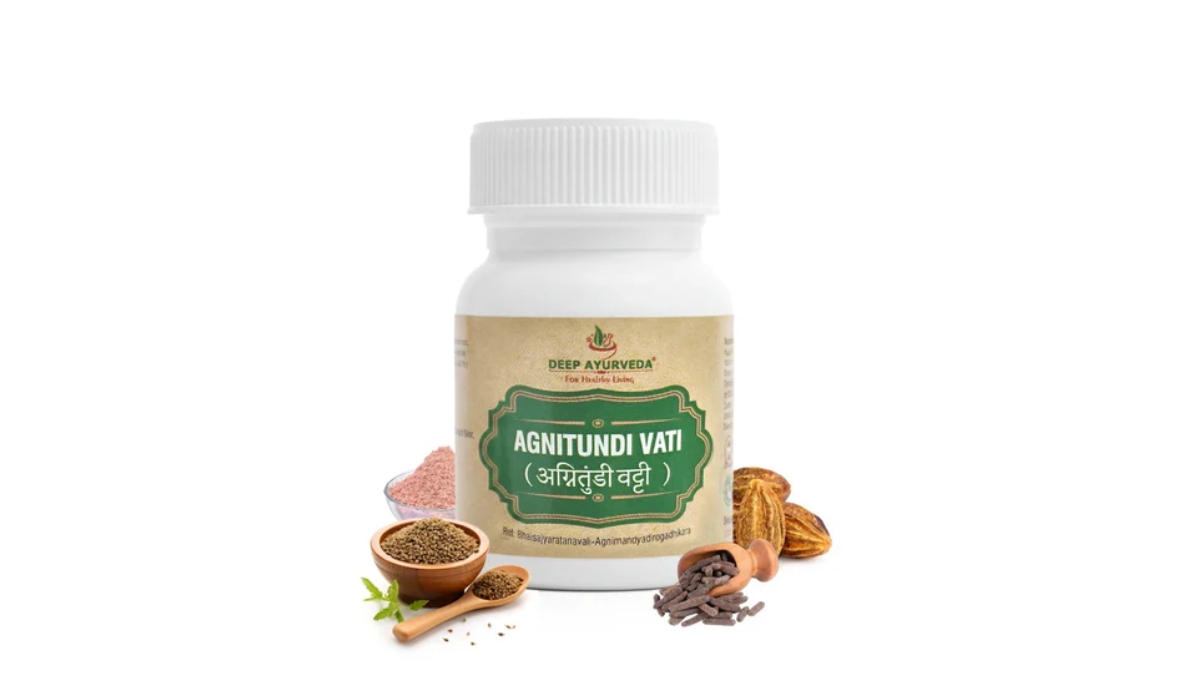

Deep Ayurveda Agnitundi Vati
✅ Supports Healthy Digestion ✅ Reduces Gas and Flatulence ✅ Helps Manage Loss of Appetite ✅ Promotes Gut Comfort ✅ Made with Traditional Ayurvedic Herbs
Introduction
Digestive discomfort is one of the most common health concerns today. Irregular eating habits, processed foods, stress, late-night meals, and a sedentary lifestyle can gradually weaken digestion, leading to symptoms such as bloating, excessive gas, heaviness after meals, reduced appetite, and sluggish bowel movements. According to Ayurveda, many of these concerns begin with an imbalance in Agni (digestive fire), which plays a central role in digestion, metabolism, and overall well-being.
Agnitundi Vati is a classical Ayurvedic formulation traditionally used to support healthy digestion and stimulate digestive fire (Deepana). It is also valued for its Pachana (digestive) properties, helping the body process undigested food (Ama) that may accumulate due to weak digestion. Rather than simply addressing occasional digestive discomfort, Ayurveda views Agnitundi Vati as a formulation that helps restore the body’s natural digestive balance when used appropriately under the guidance of a qualified Ayurvedic practitioner.
Unlike many modern digestive supplements that focus on a single symptom, Agnitundi Vati is formulated using a combination of herbs, mineral preparations, and traditional ingredients selected for their complementary Ayurvedic properties. These ingredients work together to support appetite, promote digestive efficiency, balance aggravated Vata and Kapha doshas, and encourage proper gastrointestinal function.
However, it is important to understand that Agnitundi Vati is not intended for self-medication or indiscriminate use. Because it is a classical Ayurvedic herbo-mineral formulation, its suitability depends on an individual’s Prakriti (body constitution), Vikriti (current imbalance), digestive strength (Agni), and overall health status. Taking it without proper evaluation may not be appropriate for everyone.
In this comprehensive guide, you’ll learn:
- What Agnitundi Vati is and how Ayurveda explains its actions
- Traditional uses and potential health benefits
- The Ayurvedic principles behind weak digestion and Ama formation
- Key ingredients and their traditional roles
- Recommended dosage and method of administration
- Possible side effects and precautions
- Who may benefit from this formulation and who should avoid it
Whether you are exploring Ayurvedic digestive support or simply want to understand this classical formulation better, this article provides an evidence-aware, practitioner-focused overview based on Ayurvedic principles.
Agnitundi Vati at a Glance
| Particular | Details |
|---|---|
| Ayurvedic Form | Classical Herbo-Mineral Tablet (Vati) |
| Primary Ayurvedic Action | Deepana (Stimulates digestive fire), Pachana (Supports digestion of Ama) |
| Primary Dosha Target | Helps balance aggravated Vata and Kapha (as advised by an Ayurvedic practitioner) |
| Main System Supported | Digestive System (Annavaha Srotas) |
| Traditionally Used For | Weak digestion, low appetite, gas, bloating, heaviness after meals, sluggish digestion |
| Common Dosage | As directed by an Ayurvedic physician |
| Best Time to Take | Generally after meals or as advised by a healthcare professional |
| Suitable For | Adults under professional supervision |
| Pregnancy & Breastfeeding | Use only if specifically recommended by a qualified healthcare provider |
| Medical Supervision | Recommended |
Important: Agnitundi Vati should always be used according to the advice of a qualified Ayurvedic practitioner. Individual suitability depends on your health condition, digestive strength, and constitution.
What is Agnitundi Vati?
Agnitundi Vati is a classical Ayurvedic formulation traditionally used to support healthy digestion and improve digestive efficiency. In Ayurveda, it is primarily recommended when digestive fire (Agni) becomes weak, leading to poor appetite, sluggish digestion, bloating, gas, abdominal discomfort, and the formation of Ama (metabolic waste resulting from incomplete digestion).
The name itself reflects its traditional purpose:
- Agni refers to the body’s digestive and metabolic fire, which is responsible for breaking down food, absorbing nutrients, and maintaining healthy metabolic functions according to Ayurvedic principles.
- Tundi indicates stimulation or activation, suggesting the formulation’s traditional role in rekindling weakened digestive activity and promoting efficient digestion.
Together, Agnitundi Vati signifies a classical Ayurvedic formulation traditionally designed to help restore weakened digestive fire and support the body’s natural digestive processes.
Rather than acting as a quick solution for occasional digestive discomfort, Ayurveda considers Agnitundi Vati a formulation that works by addressing the underlying imbalance in digestion. When Agni becomes impaired, food may not be digested efficiently, which can gradually contribute to a variety of digestive concerns, including:
- Feeling unusually full after small meals: Even eating a small quantity of food may leave you feeling overly full or uncomfortable, indicating that digestion is slower than normal.
- Reduced appetite: A weakened digestive fire may decrease the natural desire to eat, making meals feel less appealing and reducing overall food intake.
- Excessive gas: Improper digestion can lead to increased gas formation in the digestive tract, resulting in abdominal discomfort and frequent flatulence.
- Abdominal bloating: Many people experience a swollen or tight feeling in the abdomen after meals when food is not digested efficiently.
- Heaviness after eating: Instead of feeling energized after a meal, individuals may experience a persistent sensation of heaviness that can last for several hours.
- Sluggish digestion: Food may take longer than usual to digest, often accompanied by a feeling that meals are “sitting” in the stomach for an extended period.
- Occasional constipation associated with weak digestion: Slow digestive activity may also contribute to irregular bowel movements or occasional constipation linked to reduced digestive efficiency.
From an Ayurvedic perspective, these symptoms often indicate that digestion requires support rather than merely symptom management. Instead of focusing only on temporary relief, Ayurveda aims to identify and improve the underlying imbalance affecting digestive function.
Because Agnitundi Vati combines several classical ingredients known for their Deepana (digestive fire-stimulating) and Pachana (digestive-supporting) properties, it has traditionally been included in Ayurvedic digestive care under the guidance of a qualified Ayurvedic practitioner. Its selection is based on an individual’s digestive strength, body constitution, and overall health rather than on symptoms alone.
Why is Digestive Fire (Agni) So Important in Ayurveda?
One of the unique aspects of Ayurveda is that it does not view digestion as simply breaking down food inside the stomach. Instead, digestion is considered the foundation of health.
Ayurvedic texts describe Agni as the body’s transformative force responsible for converting food into energy, nourishment, and healthy tissues. When Agni functions efficiently, nutrients are properly absorbed and metabolic processes remain balanced.
However, when Agni weakens, digestion becomes incomplete.
Instead of producing healthy nourishment, improperly digested food may contribute to the formation of Ama, which Ayurveda describes as a toxic, sticky metabolic by-product that can interfere with normal bodily functions.
For this reason, classical Ayurvedic practitioners often begin treatment by assessing digestive strength before addressing many other health concerns.
The Four Types of Agni Explained
One important concept often overlooked in general health articles is that Ayurveda recognizes four different states of Agni (digestive fire). Every individual does not experience digestive problems in the same way. Some people have consistently slow digestion, while others may experience irregular digestion or excessive digestive activity.
Understanding these different types of Agni helps explain why the same Ayurvedic formulation may not be suitable for everyone. An Ayurvedic practitioner evaluates the condition of a person’s Agni before recommending formulations such as Agnitundi Vati.
1. Mandagni (Weak Digestive Fire)
Mandagni refers to a weakened or sluggish digestive fire, where the body is unable to digest food efficiently. According to Ayurveda, this condition is commonly associated with an imbalance of Kapha Dosha and may lead to the formation of Ama (undigested metabolic waste).
A person with Mandagni may experience:
- Loss of appetite: You may not feel hungry at regular meal times, or even after several hours without eating because the digestive fire is functioning below its normal capacity.
- Feeling heavy after meals: Even a moderate meal may leave you feeling unusually full, sluggish, or uncomfortable for several hours due to slow digestion.
- Slow digestion: Food may take longer than usual to digest, often resulting in prolonged fullness and delayed gastric comfort.
- Gas formation: Incomplete digestion can contribute to excessive gas production, leading to abdominal discomfort and frequent burping or flatulence.
- Bloating: The abdomen may feel swollen or tight after eating, particularly after consuming heavy, oily, or difficult-to-digest foods.
- Excessive sleepiness after eating: Feeling unusually drowsy or lethargic after meals is considered a common sign of weakened digestive fire in Ayurveda.
- Weight gain due to sluggish metabolism: Over time, reduced digestive efficiency may contribute to unhealthy weight gain when combined with poor dietary habits and a sedentary lifestyle.
From an Ayurvedic perspective, Agnitundi Vati is traditionally considered in individuals with Mandagni to help support healthy digestive fire. However, its use should always be based on an assessment by a qualified Ayurvedic practitioner.
2. Vishamagni (Irregular Digestive Fire)
Vishamagni is characterized by an inconsistent digestive pattern, where digestion fluctuates from day to day or even meal to meal. This condition is generally associated with an aggravated Vata Dosha, making digestive function unpredictable.
Common signs of Vishamagni include:
- Irregular appetite: Hunger levels may vary significantly, with some days bringing a strong appetite and other days very little desire to eat.
- Alternating constipation: Bowel habits may become inconsistent, with constipation occurring intermittently or alternating with normal bowel movements.
- Gas and abdominal discomfort: Increased Vata can contribute to frequent gas, abdominal distension, or discomfort, especially after irregular eating habits.
- Variable digestion: The same food may digest comfortably on one occasion but cause heaviness, bloating, or discomfort at another time.
- Vata dominance: Symptoms often become more noticeable during periods of stress, irregular routines, inadequate sleep, or excessive consumption of dry and cold foods.
Because Vishamagni affects each individual differently, Ayurveda recommends evaluating the overall doshic imbalance before selecting an appropriate digestive formulation.
3. Tikshnagni (Excessively Strong Digestive Fire)
Tikshnagni refers to an excessively sharp or intense digestive fire. Although digestion appears fast, it may not always be balanced. This state is commonly associated with an aggravated Pitta Dosha, where excessive digestive heat may produce its own set of concerns.
People with Tikshnagni may experience:
- Frequent hunger: You may feel hungry much sooner after eating and find it difficult to comfortably delay meals.
- Burning sensation: Excess digestive heat may contribute to a burning feeling in the stomach or chest, particularly after consuming spicy or acidic foods.
- Excessive thirst: Persistent thirst throughout the day may occur due to increased internal heat associated with aggravated Pitta.
- Hyperacidity: Some individuals may experience acid-related digestive discomfort, especially if meals are skipped or delayed.
- Loose stools: Rapid digestion may result in frequent or loose bowel movements rather than well-formed stools.
- Irritability: Ayurveda considers excessive internal heat capable of influencing emotional balance, making some individuals more prone to impatience or irritability.
Since Agnitundi Vati is traditionally used to stimulate digestive activity, it may not be appropriate for individuals with Tikshnagni unless specifically recommended by an experienced Ayurvedic practitioner.
4. Samagni (Balanced Digestive Fire)
Samagni represents the ideal state of digestion in Ayurveda, where digestive fire remains balanced and functions efficiently. Proper digestion supports optimal nutrient absorption, healthy metabolism, and overall well-being.
A person with Samagni generally experiences:
- Healthy appetite: Hunger develops naturally at appropriate meal times without excessive cravings or loss of appetite.
- Comfortable digestion: Meals are digested smoothly without causing heaviness, bloating, excessive gas, or abdominal discomfort.
- Regular bowel movements: Bowel habits remain consistent, with stools being well-formed and easy to pass.
- Good energy levels: Efficient digestion helps maintain steady energy throughout the day without significant fatigue after meals.
- Efficient nutrient absorption: A balanced digestive system allows the body to utilize nutrients effectively for maintaining healthy tissues and overall vitality.
- Feeling light after meals: Instead of experiencing sluggishness, you feel satisfied and comfortable after eating, with no sensation of excessive fullness.
The primary goal of Ayurvedic digestive care is not to make digestion stronger than necessary but to restore Samagni, the balanced state of digestive fire that supports long-term digestive and metabolic health.
What is Ama and Why Does Ayurveda Consider it Important?
Another important Ayurvedic concept closely associated with Agnitundi Vati is Ama. According to Ayurveda, Ama refers to undigested or improperly metabolized substances that may accumulate in the body when Agni (digestive fire) is weak or functioning inefficiently. Instead of being completely transformed into nourishment, food remains only partially digested, which Ayurveda believes can interfere with normal digestive processes and overall well-being.
Ayurvedic practitioners often consider the presence of Ama while evaluating digestive concerns because it is traditionally associated with impaired digestion and reduced metabolic efficiency. The primary goal is not only to improve digestion but also to support the body’s natural ability to process food more effectively.
Some traditional signs that may indicate the presence of Ama include:
- Coated tongue: A thick white or yellowish coating on the tongue is traditionally considered one of the common signs of Ama, suggesting that digestion may not be functioning efficiently.
- Poor appetite: Feeling less interested in food or becoming full very quickly may indicate weakened digestive fire, making it difficult for the body to process meals properly.
- Feeling tired after eating: If you regularly experience sluggishness or drowsiness soon after meals, Ayurveda considers it a possible sign that digestion is slow and requires additional support.
- Heaviness: A persistent sensation of heaviness in the stomach or body after eating may occur when food is not being digested efficiently according to Ayurvedic principles.
- Excessive gas: Frequent gas formation, especially after meals, may be associated with impaired digestion and an imbalance of Vata in the digestive system.
- Bloating: Abdominal fullness or bloating that develops after eating is traditionally linked with weak Agni and incomplete digestion in Ayurveda.
- Foul-smelling stools: Ayurveda considers unusually strong or unpleasant stool odor as one of several observations that may accompany inefficient digestion and Ama formation.
- General sluggishness: Feeling low in energy, mentally dull, or physically inactive without an obvious reason may be associated with poor digestive function from an Ayurvedic perspective.
Because Agnitundi Vati possesses Deepana (digestive fire-enhancing) and Pachana (digestive-supporting) properties, it has traditionally been used to promote healthy digestion and assist the body’s natural digestive processes. In classical Ayurvedic practice, it may be recommended as part of a broader treatment approach aimed at improving Agni and supporting the proper digestion of Ama under the guidance of a qualified Ayurvedic practitioner.
How Does Agnitundi Vati Work According to Ayurveda?
Unlike conventional digestive products that may focus on only one symptom, Ayurveda explains the action of Agnitundi Vati through several interconnected mechanisms.
1. Supports Deepana
The primary Ayurvedic role of Agnitundi Vati is to encourage healthy digestive fire.
When digestion improves, the body is better able to process food and absorb nutrients effectively.
2. Promotes Pachana (Healthy Digestion)
Pachana refers to supporting the proper digestion of partially processed food and Ama.
This helps the digestive system function more efficiently according to Ayurvedic principles.
3. Helps Balance Vata and Kapha
Many digestive complaints such as bloating, heaviness, sluggish digestion, and gas are traditionally associated with aggravated Vata and Kapha doshas.
Certain ingredients in Agnitundi Vati are selected for their traditional role in helping maintain doshic balance.
4. Supports Healthy Appetite
Weak digestion often leads to reduced appetite.
By promoting healthy digestive activity, Agnitundi Vati is traditionally believed to support the natural return of appetite when diminished due to Mandagni.
5. Supports Comfortable Digestion After Meals
People experiencing heaviness or discomfort after eating may benefit from improving digestive efficiency rather than merely suppressing symptoms.
Traditional Ayurvedic formulations like Agnitundi Vati aim to enhance the body’s natural digestive capacity rather than simply masking digestive discomfort.
Ingredients of Agnitundi Vati and Their Ayurvedic Importance
The therapeutic value of Agnitundi Vati lies in its carefully selected combination of herbs, mineral preparations, and classical Ayurvedic ingredients. Rather than relying on a single herb, the formulation follows the Ayurvedic principle of Yogavahi (synergistic action), where multiple ingredients work together to support digestive health and metabolic balance.
Each ingredient contributes a specific Ayurvedic property, such as Deepana (stimulating digestive fire), Pachana (digesting Ama), Vata-Kapha balancing, or supporting healthy bowel function. This synergistic approach makes Agnitundi Vati a comprehensive digestive formulation rather than a product aimed at a single symptom.
Note: The exact composition may vary slightly depending on the manufacturer while remaining consistent with classical Ayurvedic references. Always refer to the product label for the precise ingredient list.
Key Ingredients and Their Traditional Ayurvedic Roles
Ingredient Botanical / Classical Name Traditional Ayurvedic Role Chitraka Plumbago zeylanica Stimulates digestive fire (Deepana), supports healthy appetite Pippali Piper longum Promotes digestion, supports nutrient assimilation Maricha Piper nigrum Traditionally used to reduce Ama and support metabolism Shunthi Zingiber officinale Helps maintain digestive comfort and supports Agni Ajmoda Trachyspermum roxburghianum Traditionally used for gas, bloating, and Vata balance Vidanga Embelia ribes Supports digestive cleansing in Ayurveda Haritaki Terminalia chebula Supports bowel regularity and digestive balance Bibhitaki Terminalia bellirica Helps maintain Kapha balance and digestive health Amalaki Emblica officinalis Supports digestion while nourishing body tissues Yavakshara Classical Alkali Preparation Traditionally used to reduce abdominal heaviness and gas Saindhava Lavana Rock Salt Supports digestive secretions and improves taste perception Shuddha Vatsanabha* Purified Aconitum preparation Included only after classical purification; used strictly under professional supervision Some classical formulations contain purified mineral or herbo-mineral ingredients. Their purification (Shodhana) is an essential Ayurvedic pharmaceutical process, and these preparations should only be used as directed by a qualified Ayurvedic physician.
Health Benefits of Agnitundi Vati
The benefits of Agnitundi Vati should be understood within the framework of Ayurvedic principles. Rather than treating individual symptoms in isolation, Ayurveda aims to improve digestive efficiency by restoring balanced Agni and reducing Ama.
1. Supports Healthy Digestive Fire
One of the primary traditional uses of Agnitundi Vati is to help stimulate weakened digestive fire.
When Agni functions efficiently, food is digested more effectively, nutrients are better utilized, and digestion becomes more comfortable.
For individuals experiencing sluggish digestion due to Mandagni, supporting digestive fire is considered a foundational step toward improving digestive wellness.
2. Helps Maintain a Healthy Appetite
A reduced desire to eat is often viewed in Ayurveda as an indication of weakened Agni rather than an isolated symptom.
By supporting digestive activity, Agnitundi Vati is traditionally used to encourage the natural return of appetite in individuals with sluggish digestion.
3. Supports Comfortable Digestion After Meals
Many people experience heaviness, fullness, or discomfort after eating even moderate-sized meals.
According to Ayurveda, this may indicate incomplete digestion.
Agnitundi Vati has traditionally been used to promote smoother digestion and help reduce the sensation of heaviness following meals.
4. Helps Reduce Occasional Gas and Bloating
Gas formation and abdominal bloating are commonly associated with aggravated Vata and impaired digestive fire.
The warming herbs in Agnitundi Vati are traditionally selected to support the normal movement of Vata within the digestive tract, thereby helping maintain digestive comfort.
5. Supports Ama Digestion
Ayurveda describes Ama as the result of incomplete digestion.
Rather than focusing only on relieving digestive discomfort, Agnitundi Vati is traditionally used to support Pachana, the process of digesting and clearing Ama through improved digestive efficiency.
6. Supports Healthy Bowel Function
Weak digestion often affects bowel regularity.
The formulation contains ingredients traditionally used to promote proper digestive processing and support healthy bowel habits when digestive sluggishness is present.
7. Helps Maintain Kapha-Vata Balance
Digestive concerns associated with sluggishness, heaviness, excess mucus, gas, and poor appetite are frequently linked to aggravated Kapha and Vata doshas.
The warming and digestive herbs in Agnitundi Vati are traditionally chosen to help maintain balance between these doshas as part of an individualized Ayurvedic approach.
Who May Benefit from Agnitundi Vati?
One of the most common misconceptions about Agnitundi Vati is that it can be taken by anyone experiencing digestive discomfort. However, classical Ayurveda does not recommend medicines based only on symptoms.
Before suggesting Agnitundi Vati, an Ayurvedic practitioner carefully evaluates several factors, including Prakriti (body constitution), Vikriti (current imbalance), Agni (digestive strength), bowel habits, appetite, dietary pattern, lifestyle, and associated symptoms. Two individuals with similar digestive complaints may receive different Ayurvedic formulations because the underlying cause of their imbalance may not be the same.
The following situations are examples where an Ayurvedic practitioner may consider Agnitundi Vati as part of a personalized treatment plan after a proper assessment.
You May Benefit from Agnitundi Vati If You Experience:
1. Poor Appetite Due to Weak Digestion
If you rarely feel hungry, skip meals because you have no appetite, or feel full after eating only a small quantity of food, it may indicate Mandagni (low digestive fire) according to Ayurveda.
Agnitundi Vati is traditionally used to support healthy digestive fire, which may help improve appetite when it has reduced due to sluggish digestion.
2. Frequent Bloating After Meals
Occasional bloating after eating is common, but if your abdomen regularly feels swollen, tight, or uncomfortable after meals, it may indicate that your food is not being digested efficiently.
Instead of focusing only on relieving bloating, Ayurveda aims to improve the digestive process itself. Agnitundi Vati is traditionally used to support healthy digestion and help reduce the accumulation of Ama associated with weak Agni.
3. Excessive Gas Associated with Sluggish Digestion
Gas formation can occur for many reasons, including eating too quickly or consuming certain foods. However, when it is repeatedly accompanied by poor appetite, abdominal heaviness, or slow digestion, Ayurveda considers weakened digestive fire as a possible contributing factor.
The warming herbs in Agnitundi Vati are traditionally valued for supporting digestive function and helping maintain the normal movement of Vata within the gastrointestinal tract.
4. Feeling Heavy After Every Meal
Many people experience a persistent feeling of heaviness after eating, even when they consume a normal-sized meal. In Ayurveda, this may suggest that digestion is slower than it should be.
Common signs include:
- Sleepiness after eating – Feeling unusually drowsy or lacking energy shortly after meals may indicate that digestion is sluggish and requires additional support.
- A heavy feeling in the stomach – If food seems to remain in the stomach for a long time or you feel uncomfortably full after eating, it may reflect reduced digestive efficiency.
- Slow digestion – Taking several hours to feel comfortable after meals or frequently experiencing delayed digestion can be associated with weakened Agni.
- Low energy after meals – Instead of feeling refreshed, some people notice tiredness or sluggishness after eating, which Ayurveda often relates to incomplete digestion.
Rather than only managing these symptoms, the Ayurvedic approach focuses on restoring balanced digestive fire to support long-term digestive health.
5. Sluggish Digestion Caused by Irregular Eating Habits
Modern lifestyle habits can gradually weaken digestive fire over time. Frequently skipping breakfast, eating late at night, overeating, prolonged fasting, eating while stressed, or regularly consuming highly processed foods may all affect normal digestion.
When these habits are corrected along with appropriate Ayurvedic support, digestive function may gradually improve.
6. Digestive Discomfort Associated with Ama
According to Ayurveda, Ama refers to improperly digested metabolic waste that forms when digestive fire is weak. Although Ama cannot be diagnosed based on symptoms alone, Ayurvedic practitioners assess several signs during a clinical evaluation.
Some commonly observed signs include:
- Poor appetite – A reduced desire to eat may suggest that digestion has become sluggish and requires attention.
- Coated tongue – A thick coating on the tongue, especially in the morning, is traditionally considered one of the classical indicators of Ama in Ayurveda.
- Frequent bloating – Persistent abdominal fullness or gas after meals may occur when food is not digested efficiently.
- Heaviness in the body – Feeling physically heavy or uncomfortable after eating is often associated with reduced digestive strength.
- Low energy levels – Incomplete digestion may leave some individuals feeling tired or less energetic throughout the day.
- Sluggishness after meals – Feeling inactive, sleepy, or mentally dull following meals may indicate that digestion is not functioning optimally.
When these signs are present, an Ayurvedic practitioner may consider Deepana and Pachana formulations such as Agnitundi Vati after evaluating the individual’s overall health condition and digestive status.
Who Should Avoid Agnitundi Vati?
Although Agnitundi Vati is a classical Ayurvedic formulation, it is not suitable for everyone. Its use should always be based on an individual’s health condition, digestive strength, and Ayurvedic assessment rather than self-diagnosis.
Some classical formulations of Agnitundi Vati contain purified herbo-mineral ingredients along with potent digestive herbs. Therefore, it is advisable to consult a qualified Ayurvedic physician before starting this medicine, especially if you have an existing medical condition or are taking other medications.
Individuals Who Should Seek Medical Advice Before Using Agnitundi Vati
- Pregnant women: The safety of Agnitundi Vati during pregnancy has not been established. It should only be taken if specifically recommended by a qualified healthcare professional.
- Breastfeeding mothers: Women who are nursing should consult their doctor or Ayurvedic practitioner before using this formulation to determine whether it is appropriate for their individual situation.
- Children: Agnitundi Vati should not be given to children unless it has been prescribed by a qualified Ayurvedic physician, as the dosage and suitability vary according to age and health condition.
- Individuals with active stomach ulcers: Since the formulation contains warming digestive ingredients, people with gastric or duodenal ulcers should seek medical advice before use.
- People experiencing severe acidity or a burning sensation: Those with persistent acid reflux, heartburn, or excessive Pitta-related symptoms should avoid self-medication and consult a healthcare professional first.
- Individuals with unexplained abdominal pain: Ongoing or severe abdominal pain should always be medically evaluated to identify the underlying cause before using any digestive formulation.
- People with chronic liver or kidney disorders: Individuals with impaired liver or kidney function should only use Agnitundi Vati under professional supervision, as dosage and suitability may need careful assessment.
- Anyone taking prescription medications: If you regularly take medicines for conditions such as diabetes, hypertension, thyroid disorders, or other chronic illnesses, consult your healthcare provider to avoid possible interactions.
- Individuals with allergies to any ingredient: Anyone with a known allergy or sensitivity to any component of Agnitundi Vati should avoid using the formulation and seek alternative options from their healthcare provider.
If digestive symptoms continue for an extended period, become more severe, or are accompanied by warning signs such as persistent vomiting, fever, blood in the stool, unexplained weight loss, or severe abdominal pain, seek prompt medical evaluation instead of relying solely on self-treatment.
Dosage of Agnitundi Vati
The appropriate dosage of Agnitundi Vati varies from person to person. In Ayurveda, the recommended dose is determined after considering several important factors, including the individual’s digestive strength, body constitution, age, current health condition, and the nature of the digestive imbalance.
Some of the key factors that influence the dosage include:
- Age: Children, adults, and older individuals may require different dosages based on their overall health and physiological needs.
- Digestive strength (Agni): The intensity of digestive fire plays an important role in determining whether Agnitundi Vati is appropriate and how much should be prescribed.
- Nature of the digestive imbalance: The dosage may differ depending on whether the symptoms are related to weak appetite, bloating, excessive gas, sluggish digestion, or another digestive concern.
- Overall health condition: Existing medical conditions, current treatment plans, and general health status should always be considered before starting the medicine.
- Other medicines being taken: People who are already taking prescription medicines or other herbal supplements should consult a healthcare professional to ensure safe and appropriate use.
- Manufacturer’s formulation: The composition and strength of Agnitundi Vati may vary slightly between manufacturers, so always follow the dosage instructions provided with the specific product you are using.
For these reasons, there is no single dosage that is suitable for everyone, and self-adjusting the dose is not recommended.
General Ayurvedic Guidance
Traditionally, Agnitundi Vati should be taken only as directed by a qualified Ayurvedic physician. The practitioner determines the most appropriate dosage after assessing the individual’s health condition and digestive status.
Depending on the clinical assessment, the practitioner may recommend:
- One or more tablets: The number of tablets may vary depending on the severity of the digestive imbalance and the individual’s overall constitution.
- Once or twice daily: The frequency of administration is decided according to the treatment plan and should not be changed without professional advice.
- For a specific duration: Agnitundi Vati is generally recommended for a defined period rather than long-term self-use, unless advised otherwise by a qualified practitioner.
- Along with an appropriate Anupana (vehicle): Depending on the condition, it may be advised with warm water, buttermilk, ginger juice, or another suitable Anupana to support its traditional Ayurvedic action.
Always follow the dosage instructions mentioned on the product label or those provided by your healthcare professional. Do not increase the dosage or extend the duration of use without medical or Ayurvedic guidance, even if your symptoms appear mild or improve gradually.
Best Time to Take Agnitundi Vati
The timing of administration may vary depending on an individual’s digestive strength, the nature of the imbalance, and the advice of an Ayurvedic practitioner. Taking the medicine at the appropriate time can help support its traditional digestive actions.
In Ayurvedic practice, Agnitundi Vati is commonly recommended:
- After meals: It is often taken after meals to support the digestive process, especially in individuals who experience heaviness, bloating, or discomfort after eating. This timing may help the formulation work in harmony with the body’s natural digestive activity.
- With lukewarm water: Lukewarm water is traditionally preferred because it is believed to support Agni (digestive fire) and aid the digestion of food more effectively than cold water, which may temporarily reduce digestive efficiency according to Ayurveda.
- With a suitable Anupana (when advised): Depending on the individual’s Prakriti, doshic imbalance, and digestive condition, an Ayurvedic practitioner may recommend taking Agnitundi Vati with a specific Anupana to enhance its traditional therapeutic action.
The ideal timing and method of administration should always be determined by a qualified Ayurvedic practitioner based on the individual’s health status and treatment goals.
What is Anupana and Why Does It Matter?
One aspect often overlooked in modern discussions is the Ayurvedic concept of Anupana.
In Ayurveda, Anupana refers to the liquid or substance taken along with a medicine to support its absorption, improve its suitability for the individual, and complement its traditional action. The choice of Anupana is not random—it is selected after considering the person’s digestive strength, dosha imbalance, and the purpose of the treatment.
Depending on the individual’s condition, an Ayurvedic practitioner may recommend taking Agnitundi Vati with:
- Lukewarm water: This is one of the most commonly recommended Anupanas for digestive formulations, as it traditionally supports healthy digestion and helps maintain balanced Agni.
- Ginger juice: Fresh ginger juice may be advised in selected cases where additional digestive stimulation is considered appropriate. It is traditionally valued for its Deepana and Pachana properties.
- Buttermilk: In Ayurveda, properly prepared buttermilk is often recommended for certain digestive imbalances, particularly when improving digestive comfort and supporting gut function is the therapeutic goal.
- Honey (only when appropriate): Honey is regarded as a Yogavahi in Ayurveda, meaning it may help carry the properties of certain herbs. However, it should only be used when specifically recommended, as it may not be suitable for every individual.
- Other classical combinations: Depending on the diagnosis, an Ayurvedic practitioner may recommend other traditional Anupanas to match the individual’s constitution and digestive needs.
The choice of Anupana should always be individualized and guided by a qualified Ayurvedic practitioner rather than selected based on general recommendations.
How Long Can Agnitundi Vati Be Taken?
The duration of Agnitundi Vati use depends on the individual’s digestive condition, overall health, and the treatment plan recommended by an Ayurvedic practitioner. There is no fixed duration that applies to everyone.
Several factors influence how long the formulation may be advised, including:
- The underlying digestive imbalance: People with temporary digestive disturbances may require a different duration of use than those with long-standing digestive weakness. The treatment period is generally based on the severity and nature of the imbalance.
- The individual’s response to treatment: Ayurvedic practitioners regularly assess improvements in appetite, digestion, bowel habits, and overall well-being before deciding whether to continue, modify, or discontinue the medicine.
- Whether it is part of a broader Ayurvedic treatment plan: Agnitundi Vati is often prescribed alongside dietary modifications, lifestyle changes, and other Ayurvedic therapies, which may influence the overall duration of treatment.
Agnitundi Vati is not intended for prolonged self-medication without professional supervision. If digestive symptoms persist or frequently return despite treatment, a reassessment by a qualified Ayurvedic practitioner is recommended to identify the underlying cause and adjust the treatment plan if necessary.
Possible Side Effects of Agnitundi Vati
When used under the guidance of a qualified Ayurvedic practitioner and in the recommended dosage, Agnitundi Vati is generally used according to its traditional indications. However, as with any herbal or herbo-mineral formulation, individual responses may vary, and it may not be suitable for everyone.
Possible effects that may occur if taken inappropriately include:
- Stomach irritation in sensitive individuals: People with a sensitive digestive system or those who take the medicine without proper assessment may occasionally experience gastric discomfort or irritation.
- Increased heat sensation in people with predominant Pitta: Because the formulation contains warming ingredients, individuals with a naturally Pitta-dominant constitution may notice increased body heat or digestive burning if it is not appropriately prescribed.
- Digestive discomfort if used without proper assessment: Taking Agnitundi Vati when digestive symptoms are caused by conditions other than weakened Agni may not provide the intended benefits and could lead to temporary digestive discomfort.
- Potential interactions with other medications: Individuals who are taking prescription medicines or managing chronic health conditions should consult their healthcare provider before using Agnitundi Vati to minimize the possibility of unwanted interactions.
These effects are not expected in every individual but highlight the importance of using classical Ayurvedic formulations under professional guidance. If you experience any unusual symptoms after taking Agnitundi Vati, discontinue its use and seek advice from your healthcare provider.
Precautions Before Using Agnitundi Vati
For safe and appropriate use, keep the following precautions in mind:
- Choose products from trusted manufacturers: Always purchase Agnitundi Vati from reputable brands that follow recognized quality standards and proper manufacturing practices to help ensure product authenticity and consistency.
- Avoid prolonged self-medication: Even traditional Ayurvedic formulations should not be taken continuously without professional guidance, as long-term use may not be suitable for every individual.
- Inform your healthcare provider about other medicines: If you are taking prescription medications, herbal supplements, or have an existing medical condition, discuss them with your healthcare provider before starting Agnitundi Vati.
- Follow the recommended dosage: Taking more than the advised amount does not improve results and may increase the likelihood of unwanted effects. Always use the medicine exactly as recommended.
- Store the medicine properly: Keep the tablets in a cool, dry place, protected from moisture, direct sunlight, and excessive heat to help maintain their quality throughout the shelf life.
- Keep out of the reach of children: Like all medicines, Agnitundi Vati should be stored safely to prevent accidental consumption by children.
Diet and Lifestyle Tips to Support Healthy Digestion
Ayurveda emphasizes that medicines alone cannot restore digestive balance if dietary and lifestyle habits continue to weaken Agni. Combining appropriate treatment with healthy daily practices may help support long-term digestive wellness.
Foods That May Support Healthy Digestion
- Freshly prepared warm meals: Fresh, warm foods are generally easier to digest than stale or refrigerated meals and are traditionally recommended to help maintain balanced digestive fire.
- Light and easily digestible foods: Simple meals prepared with wholesome ingredients may reduce digestive burden and support comfortable digestion, particularly during periods of weak appetite.
- Seasonal vegetables: Including freshly cooked seasonal vegetables in your daily diet provides natural variety while supporting overall digestive health according to Ayurvedic dietary principles.
- Warm water throughout the day: Sipping warm water in moderation may help support digestion and is traditionally preferred over chilled beverages, especially around mealtimes.
- Fresh ginger in moderation: When suitable for an individual’s constitution, fresh ginger is traditionally used before meals to support appetite and healthy digestive function.
- Homemade buttermilk: Properly prepared buttermilk is commonly recommended in Ayurveda for certain digestive conditions, as it may support gut comfort and digestive balance when advised by a practitioner.
Foods to Limit
- Excessively oily meals: Heavy, fried, and greasy foods may place additional strain on digestion and contribute to feelings of heaviness after eating.
- Highly processed foods: Foods high in refined ingredients and artificial additives may not support optimal digestive health and are generally best consumed in moderation.
- Cold beverages with meals: Ayurveda traditionally advises limiting chilled drinks during meals because they may temporarily reduce digestive efficiency.
- Overeating: Eating beyond your natural appetite can overload the digestive system and may contribute to bloating, heaviness, and sluggish digestion.
- Late-night dinners: Consuming large meals close to bedtime may interfere with normal digestive processes and reduce digestive comfort the following morning.
- Frequent snacking without hunger: Eating repeatedly without genuine hunger may weaken natural digestive rhythms over time according to Ayurvedic principles.
Lifestyle Habits That Support Agni
- Eat meals at regular times: Following a consistent meal schedule helps support healthy digestive rhythms and allows the body to prepare for digestion more efficiently.
- Avoid eating when you are not hungry: Ayurveda considers natural hunger an important sign that digestion is ready. Eating without appetite may contribute to incomplete digestion.
- Chew your food thoroughly: Proper chewing is the first step of digestion and helps reduce the workload on the stomach while supporting better nutrient breakdown.
- Take a short walk after meals: Gentle walking for a few minutes after eating may support comfortable digestion and help reduce the feeling of heaviness.
- Manage stress effectively: Practices such as yoga, meditation, and mindful breathing may help maintain healthy digestive function, as chronic stress can influence appetite and digestion.
- Get adequate sleep: Restful sleep plays an important role in overall metabolic health and supports the body’s natural digestive and restorative processes.
These dietary and lifestyle practices, when combined with professional Ayurvedic guidance, may help maintain healthy digestion and support long-term digestive well-being.
Conclusion
Agnitundi Vati is a classical Ayurvedic formulation traditionally used to support healthy digestion, improve digestive fire (Agni), and promote digestive comfort. For best results, it should be used under the guidance of a qualified Ayurvedic practitioner along with a balanced diet and healthy lifestyle to support long-term digestive wellness.
Frequently Asked Questions
What is Agnitundi Vati used for?
Agnitundi Vati is a classical Ayurvedic formulation traditionally used to support healthy digestion, improve appetite, and help manage occasional gas, bloating, and digestive discomfort.
What are the main benefits of Agnitundi Vati?
It may help support digestive fire (Agni), improve appetite, promote comfortable digestion, reduce occasional bloating and gas, and maintain overall digestive health.
How should Agnitundi Vati be taken?
Agnitundi Vati should be taken in the dosage and duration recommended by a qualified Ayurvedic practitioner or as directed on the product label.
Does Agnitundi Vati have any side effects?
When taken as directed, Agnitundi Vati is generally well tolerated. However, it should be used under professional guidance, especially by individuals with existing health conditions.
Who should avoid Agnitundi Vati?
Pregnant or breastfeeding women, children, and people with serious medical conditions or those taking prescription medicines should consult a healthcare professional before using Agnitundi Vati.
Can Agnitundi Vati be taken daily?
Yes, it may be taken daily if recommended by a qualified Ayurvedic practitioner. Avoid prolonged self-medication without professional advice.
Medical Disclaimer
This article is for educational purposes only and is not a substitute for professional medical advice. Always consult a qualified Ayurvedic practitioner or healthcare provider before using Agnitundi Vati, especially if you are pregnant, breastfeeding, have a medical condition, or are taking any medications.