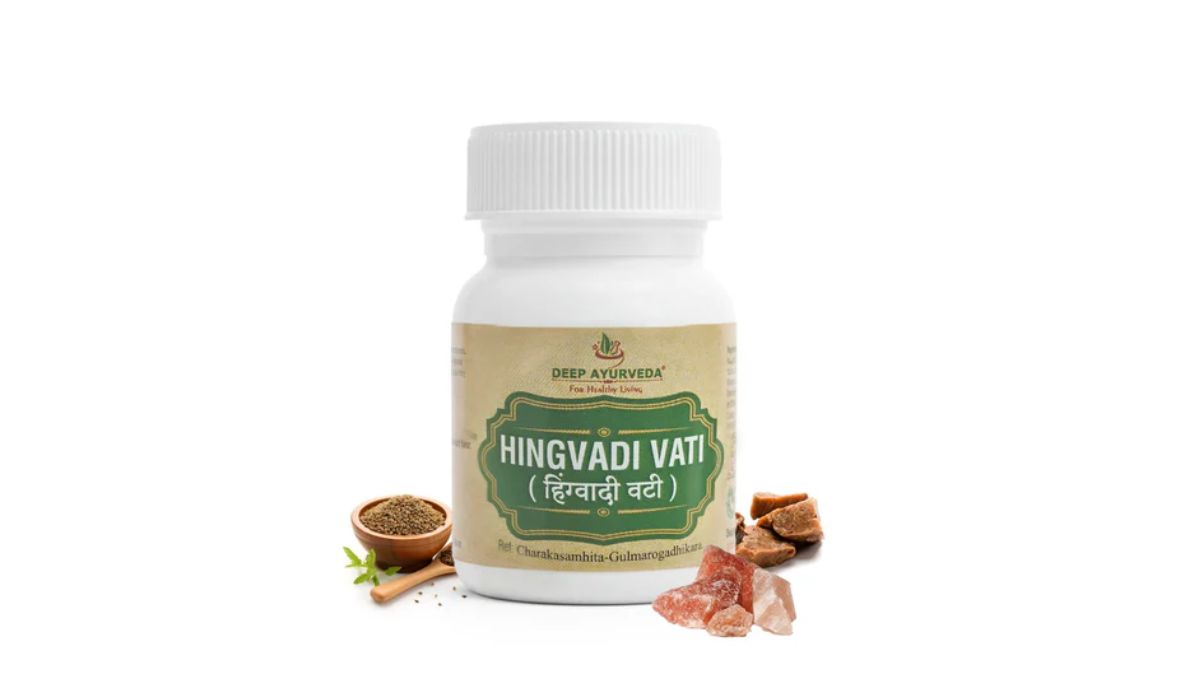

Deep Ayurveda Hingvadi Vati
✅ Supports Healthy Digestion ✅ Relieves Gas and Bloating ✅ Supports Appetite ✅ Promotes Gut Comfort ✅ Made with Traditional Ayurvedic Herbs
Introduction
Digestive discomfort is one of the most common health concerns faced by people today. Irregular eating habits, processed foods, stress, lack of physical activity, and improper meal timings can all affect the digestive system. Symptoms such as gas, bloating, indigestion, abdominal heaviness, and poor appetite are often signs that the digestive process is not functioning optimally.
Ayurveda has long emphasized the importance of maintaining a healthy digestive fire, known as Agni, for overall well-being. According to Ayurvedic principles, when Agni becomes weak, food may not be digested properly, leading to the accumulation of Ama (metabolic toxins) and imbalance in the doshas, particularly Vata dosha. Over time, this may contribute to various digestive complaints.
Hingvadi Vati is a classical Ayurvedic formulation traditionally used to support digestive health. It contains a combination of herbs and mineral ingredients that are known in Ayurveda for their Deepana (appetite-enhancing) and Pachana (digestive-supporting) properties. The formulation is commonly used to help manage symptoms such as gas, bloating, indigestion, abdominal discomfort, and reduced appetite.
Unlike temporary digestive aids that focus only on symptom relief, Hingvadi Vati is traditionally used to support the digestive process at its root by promoting healthy Agni and helping maintain proper digestive balance.
In this detailed guide, we will explore the uses, benefits, ingredients, dosage, side effects, precautions, and Ayurvedic perspective of Hingvadi Vati while also understanding how it may support digestive wellness in today’s lifestyle.
What Is Hingvadi Vati?
Hingvadi Vati is a traditional Ayurvedic herbal-mineral formulation primarily used to support digestion and help manage symptoms such as gas, bloating, indigestion, abdominal discomfort, and loss of appetite. It is known for its ability to support healthy digestive fire (Agni) and balance aggravated Vata dosha within the digestive system.
The formulation derives its name from its primary ingredient, Hingu (Asafoetida), a highly valued digestive herb in Ayurveda. Hingu has been used for centuries in Ayurvedic medicine due to its carminative, digestive, and Vata-balancing properties.
Hingvadi Vati is generally recommended when digestive symptoms are associated with:
- Excessive gas formation
- Abdominal bloating
- Poor digestion
- Loss of appetite
- Heaviness after meals
- Vata-related digestive disturbances
According to Ayurvedic practitioners, digestive health forms the foundation of overall health. When digestion functions properly, the body is better able to absorb nutrients, maintain energy levels, and support natural physiological processes.
For this reason, formulations such as Hingvadi Vati have traditionally been used not only to address occasional digestive discomfort but also to help maintain healthy digestive functioning.
Why Is It Called Hingvadi Vati?
The name Hingvadi Vati is derived from traditional Ayurvedic terminology and reflects both the formulation’s primary ingredient and its dosage form. Understanding the meaning behind the name can help readers better appreciate the purpose and classical Ayurvedic significance of this formulation.
Meaning of Hingu
The word Hingu refers to Asafoetida, a natural resin obtained from the roots of plants belonging to the Ferula species. In Ayurveda, Hingu has been used for centuries and is especially valued for its role in supporting digestive health and maintaining balance within the gastrointestinal system.
Traditionally, Hingu is known for:
- Digestive-supporting properties: Ayurveda describes Hingu as a Deepana and Pachana herb, meaning it may help support healthy digestive fire (Agni) and promote efficient digestion of food.
- Vata-balancing action: Hingu is traditionally used to help balance aggravated Vata dosha, which is often associated with digestive concerns such as gas, abdominal discomfort, and bloating.
- Support for reducing excessive gas formation: Due to its warming and carminative nature, Hingu has long been included in Ayurvedic formulations designed to support digestive comfort and reduce feelings of fullness after meals.
- Promotion of healthy appetite: Ayurvedic practitioners often use Hingu-containing formulations to help support appetite and encourage proper digestive functioning in individuals with sluggish digestion.
Because Hingu is one of the most important ingredients in this formulation, it becomes the primary identifying component and gives the medicine its name.
Meaning of Vadi
The term Vadi generally refers to a formulation that is built around a principal herb or key ingredient. In classical Ayurvedic preparations, the name often highlights the most significant ingredient that contributes to the formulation’s traditional therapeutic purpose.
In Hingvadi Vati, Hingu serves as the central ingredient around which other digestive-supporting herbs and ingredients are combined to create a balanced Ayurvedic formulation.
Meaning of Vati
In Ayurveda, Vati refers to a tablet, pill, or compressed dosage form prepared by combining various herbal and mineral ingredients. Vati preparations are commonly used because they are convenient to consume and allow multiple ingredients to work together in a standardized form.
What Does Hingvadi Vati Mean?
When these terms are combined, Hingvadi Vati can be understood as a traditional Ayurvedic tablet formulation in which Hingu (Asafoetida) is the primary ingredient, supported by other herbs and ingredients that are traditionally used to promote digestive balance and support healthy gastrointestinal function.
In simple terms, Hingvadi Vati is an Ayurvedic digestive formulation centered around Hingu and designed to support healthy digestion, appetite, and digestive comfort according to classical Ayurvedic principles.
Hingvadi Vati at a Glance
| Feature | Details |
|---|---|
| Formulation Type | Classical Ayurvedic Tablet |
| Main Ingredient | Hingu (Asafoetida) |
| Primary Purpose | Digestive Support |
| Ayurvedic Action | Deepana and Pachana |
| Dosha Focus | Vata Balancing |
| Common Uses | Gas, Bloating, Indigestion, Poor Appetite |
| Dosage Form | Tablet |
| Traditional System | Ayurveda |
| Suitable For | Adults under professional guidance |
Understanding Digestive Health Through Ayurveda
Before exploring the benefits of Hingvadi Vati, it is important to understand how Ayurveda views digestion.
Modern healthcare often focuses on digestive symptoms individually. Ayurveda, however, places emphasis on the underlying digestive strength known as Agni. According to Ayurvedic texts, digestion is not limited to the stomach alone; it influences nourishment, energy production, immunity, and overall health. When digestion functions properly, the body is better able to utilize nutrients and maintain internal balance.
What Is Agni?
Agni is commonly translated as digestive fire.
However, in Ayurveda, Agni represents much more than stomach acid or digestion alone. It refers to the body’s natural ability to digest food, absorb nutrients, transform them into energy, and eliminate waste products efficiently. Ayurveda considers Agni to be one of the most important factors responsible for maintaining health and vitality.
A balanced Agni supports proper digestion and nutrient absorption, while a weakened Agni may contribute to digestive discomfort and the formation of Ama (metabolic toxins). This is why Ayurvedic practitioners often focus on improving digestive strength before addressing many other health concerns.
Signs of Healthy Agni
When Agni is functioning properly, the digestive system works efficiently and the body is able to process food without difficulty. Some common signs of healthy Agni may include:
- Good Appetite: A person naturally feels hungry at regular meal times and can comfortably consume food without experiencing digestive discomfort afterward.
- Comfortable Digestion: Food is digested smoothly without symptoms such as excessive gas, bloating, acidity, or abdominal heaviness after meals.
- Minimal Gas Formation: The digestive process remains balanced, resulting in less accumulation of gas and a greater sense of comfort throughout the day.
- Regular Bowel Movements: Healthy Agni helps support normal bowel habits, making elimination more regular and comfortable without excessive strain.
- Consistent Energy Levels: Proper digestion allows the body to convert food into usable energy efficiently, helping individuals feel active and refreshed.
- Absence of Heaviness After Meals: After eating, a person generally feels satisfied and energized rather than sluggish, tired, or overly full.
According to Ayurveda, these signs indicate that the body is effectively digesting and utilizing nutrients from food.
Signs of Weak Agni
When Agni becomes weak or sluggish, the digestive process may no longer function efficiently. In Ayurveda, this condition is often referred to as Mandagni, which means diminished digestive fire.
Common signs of weak Agni may include:
- Gas Formation: Food may not be digested completely, which can contribute to excessive gas and abdominal discomfort.
- Bloating: Individuals may frequently experience a feeling of fullness, tightness, or swelling in the abdomen, especially after meals.
- Indigestion: Weak digestive fire can make it difficult for the body to properly process food, leading to digestive discomfort and incomplete digestion.
- Poor Appetite: A reduced desire to eat or feeling full quickly may indicate that digestive strength is not functioning optimally.
- Feeling Heavy After Eating: Instead of feeling energized after meals, a person may experience sluggishness, lethargy, or heaviness in the stomach.
- Irregular Bowel Habits: Digestive imbalance may affect normal elimination patterns, resulting in irregular or unsatisfactory bowel movements.
- Digestive Discomfort: Recurring digestive complaints such as abdominal uneasiness, post-meal discomfort, or excessive fullness may be associated with weakened Agni.
According to Ayurvedic principles, prolonged weakness of Agni may lead to the accumulation of Ama and increase the likelihood of digestive imbalances. This is one of the reasons why formulations such as Hingvadi Vati are traditionally used to support digestive strength, maintain healthy Agni, and promote overall digestive wellness.
How Hingvadi Vati Supports Digestive Balance
From an Ayurvedic perspective, Hingvadi Vati works through multiple mechanisms.
Supports Healthy Agni
The ingredients in Hingvadi Vati are traditionally known for their Deepana properties, which support healthy digestive fire.
Supports Digestion of Food
The formulation contains Pachana herbs that help the digestive process function more efficiently.
Helps Balance Vata Dosha
Many digestive symptoms such as gas, bloating, abdominal discomfort, and irregular digestion are commonly associated with aggravated Vata dosha.
The warming and digestive nature of Hingvadi Vati may help support Vata balance within the digestive system.
Supports Appetite
By supporting digestive function, the formulation may help promote a healthy appetite in individuals experiencing digestive sluggishness.
Supports Post-Meal Comfort
Many Ayurvedic practitioners traditionally recommend digestive-supportive formulations after meals to promote comfort and reduce digestive heaviness.
Ingredients of Hingvadi Vati
The effectiveness of Hingvadi Vati lies in its thoughtfully selected Ayurvedic herbs that work together to support digestion, balance Vata dosha, and improve overall digestive comfort. These ingredients are traditionally known for strengthening Agni (digestive fire) and helping reduce Ama formation in the body.
While classical formulations may slightly vary depending on manufacturers, the core ingredients usually remain consistent, including Hingu, Sunthi, Maricha, Pippali, Jeeraka, and Saindhava Lavana.
Let us understand these ingredients in a more practical Ayurvedic way.
Hingu (Asafoetida)
Hingu is considered the most important ingredient in Hingvadi Vati and is responsible for its strong digestive-support action.
It is widely used in Ayurveda for managing gas-related discomfort and improving digestive flow when Vata becomes imbalanced.
Ayurvedic Properties of Hingu
- Rasa (Taste): Katu (Pungent)
- Guna (Quality): Laghu (Light), Tikshna (Sharp)
- Virya (Potency): Ushna (Hot)
- Vipaka (Post-Digestive Effect): Katu
Traditional Benefits of Hingu
- Supports healthy digestion by stimulating digestive enzymes and improving Agni activity.
- Helps reduce gas formation by preventing excessive air accumulation in the intestines.
- Promotes abdominal comfort, especially after heavy meals or irregular eating habits.
- Supports proper movement of Vata, which helps reduce bloating and abdominal stiffness.
- Helps maintain natural appetite when digestion feels weak or sluggish.
Because of its strong warming nature, Hingu is often considered one of the most effective herbs in Ayurveda for quick digestive relief.
Sunthi (Dry Ginger
Sunthi is one of the most important digestive herbs in Ayurveda and plays a key role in improving digestive strength in Hingvadi Vati.
It is especially helpful in cases where digestion becomes slow due to irregular diet or weak Agni.
Ayurvedic Properties
- Rasa: Katu (Pungent)
- Guna: Laghu (Light), Snigdha (Oily)
- Virya: Ushna (Hot)
- Vipaka: Madhura (Sweet)
Traditional Benefits
- Supports digestive fire (Agni) by improving metabolic activity and food breakdown.
- Helps reduce heaviness after meals by improving digestion efficiency.
- Supports appetite naturally, especially in individuals with low hunger signals.
- Promotes comfort in the stomach and reduces post-meal discomfort.
- Helps balance Vata and Kapha dosha, which are often responsible for sluggish digestion.
Sunthi is often recommended in Ayurveda as a daily digestive-support herb.
Maricha (Black Pepper)
Maricha is another powerful digestive herb included in Hingvadi Vati that helps stimulate digestive processes.
It is traditionally used to enhance metabolism and support proper nutrient absorption.
Traditional Benefits
- Supports digestion by stimulating digestive secretions and improving food breakdown.
- Helps increase appetite in individuals with low digestive interest.
- Supports absorption of nutrients, ensuring food is properly utilized by the body.
- Promotes metabolic activity, helping maintain healthy digestive rhythm.
- Helps balance digestive sluggishness caused by Vata and Kapha imbalance.
Its warming nature makes it highly effective in improving digestive responsiveness.
Pippali (Long Pepper)
Pippali is considered one of the most rejuvenating digestive herbs in Ayurveda.
Unlike many strong stimulants, it gently supports digestion without irritating the stomach lining.
Traditional Benefits
- Supports healthy digestion by improving Agni without causing excess heat.
- Helps maintain appetite and prevents loss of interest in food.
- Supports proper assimilation of nutrients at the digestive level.
- Promotes digestive efficiency, especially in weak digestion cases.
- Helps balance Vata-related digestive disturbances such as gas and irregular movement.
Pippali is also part of the famous Ayurvedic combination known as Trikatu, which is widely used for digestive enhancement.
Jeeraka (Cumin)
Jeeraka is a mild yet highly effective digestive herb that supports overall digestive comfort.
It is commonly used in both Ayurveda and daily cooking, which shows its safety and effectiveness.
Traditional Benefits
- Supports healthy digestion by improving enzymatic activity in the stomach.
- Helps reduce occasional bloating after heavy or oily meals.
- Promotes appetite in a gentle and natural way.
- Supports post-meal comfort by reducing heaviness and discomfort.
- Helps maintain digestive balance, especially in irregular eating habits.
Jeeraka is often recommended for daily digestive support in Ayurveda.
Saindhava Lavana (Rock Salt)
Saindhava Lavana is considered the purest and most balanced form of salt in Ayurveda.
It is preferred over regular table salt because of its gentle and digestive-friendly nature.
Traditional Benefits
- Supports digestion by stimulating natural digestive processes.
- Helps enhance taste and improves appetite before meals.
- Promotes smoother digestion by supporting enzyme activity.
- Supports overall digestive comfort after eating heavy food.
- Helps maintain balance in digestive system without causing irritation.
Its inclusion in Hingvadi Vati helps enhance the overall effectiveness of the formulation.
Synergistic Action of Ingredients
The real strength of Hingvadi Vati comes from the way these ingredients work together rather than individually.
Each herb supports a different aspect of digestion, creating a balanced and complete digestive-support system.
- The formulation helps stimulate weak digestive fire (Agni) and improves food breakdown.
- It supports better digestion of food and reduces the formation of Ama (toxins).
- It helps reduce gas formation and promotes smoother intestinal movement.
- It supports natural appetite regulation in cases of digestive weakness.
- It helps balance aggravated Vata dosha, which is the root cause of many digestive issues.
This combined action makes Hingvadi Vati a well-rounded Ayurvedic digestive formulation rather than a single-purpose remedy.
Ayurvedic Properties of Hingvadi Vati
Understanding the Ayurvedic nature of Hingvadi Vati helps explain why it is traditionally effective in digestive disorders.
Rasa (Taste)
Hingvadi Vati primarily has pungent (Katu) and salty (Lavana) tastes.
These tastes help stimulate digestive activity and reduce heaviness in the stomach, making digestion smoother and more efficient.
Guna (Qualities)
- Laghu (Light): Helps reduce heaviness in the stomach and supports easy digestion.
- Tikshna (Sharp): Enhances digestive strength and improves metabolic activity.
- Sukshma (Subtle): Helps the formulation reach deeper digestive channels and support internal balance.
Virya (Potency)
Hingvadi Vati has Ushna (hot) potency, which means it generates warmth in the digestive system.
This warmth helps improve digestion, reduce cold-related digestive issues, and support appetite naturally.
Vipaka (Post-Digestive Effect)
The post-digestive effect is Katu, which supports ongoing digestive metabolism even after food is digested.
It helps maintain digestive efficiency and prevents accumulation of heaviness or sluggishness.
Dosha Action of Hingvadi Vati
Effect on Vata Dosha
Hingvadi Vati is primarily used to balance aggravated Vata in the digestive system.
When Vata is imbalanced, it can lead to gas, bloating, irregular digestion, and abdominal discomfort. This formulation helps bring stability to digestive movement.
Effect on Kapha Dosha
It also helps reduce Kapha-related digestive sluggishness, which is often linked to heaviness and slow digestion.
Effect on Pitta Dosha
Due to its warming nature, individuals with high Pitta should use this formulation carefully and preferably under Ayurvedic guidance.
How Hingvadi Vati Works According to Ayurveda
Hingvadi Vati works by strengthening Agni (digestive fire), supporting the digestion of Ama (toxins), balancing Vata dosha, and improving overall digestive efficiency.
Supports Healthy Agni
A strong Agni ensures proper digestion, nutrient absorption, and energy production. Hingvadi Vati helps support this digestive fire when it becomes weak.
Helps Digest Ama
When digestion is incomplete, Ama (toxins) may form in the body. This formulation supports the natural breakdown of Ama and helps restore digestive clarity.
Supports Vata Movement
Proper Vata movement is essential for smooth digestion. Hingvadi Vati helps regulate this movement and reduces gas and bloating.
Promotes Appetite
It helps improve natural hunger signals in people who experience loss of appetite due to weak digestion.
Supports Post-Meal Comfort
It is traditionally used to reduce heaviness, bloating, and discomfort after eating heavy meals.
Holistic Digestive Support
Instead of targeting only one symptom, Hingvadi Vati works on multiple levels of digestion, making it a comprehensive Ayurvedic digestive support formulation.
Hingvadi Vati Uses
Hingvadi Vati is traditionally used in Ayurveda to support digestion and help manage common digestive concerns such as gas, bloating, indigestion, abdominal discomfort, and loss of appetite. It is primarily used when digestive symptoms are associated with weak Agni (digestive fire) and aggravated Vata dosha.
Hingvadi Vati for Gas and Flatulence
One of the most common traditional uses of Hingvadi Vati is for excessive gas formation.
In Ayurveda, gas is often linked with disturbed Vata dosha and weak digestion. When food is not properly digested, it can lead to fermentation in the gut, resulting in gas buildup.
How Hingvadi Vati Helps
- Supports healthy digestion of food: It helps improve the breakdown of food in the stomach so that fermentation and gas formation are reduced.
- Helps reduce gas formation in the stomach and intestines: By supporting digestive fire, it may help control excess gas buildup in the gut.
- Promotes smooth digestive movement: It supports normal movement of Vata in the intestines, which helps reduce gas trapping.
- Helps reduce abdominal pressure caused by gas: Many people feel tightness or pressure in the abdomen, which may be eased by improving digestion.
People experiencing frequent gas after meals or during irregular eating habits are often advised to focus on improving Agni along with digestive support.
Hingvadi Vati for Bloating
Bloating is a common modern digestive complaint caused by poor digestion, irregular diet, or slow gut motility.
Traditional Ayurvedic Perspective
In Ayurveda, bloating is often associated with:
- Weak digestive fire (Mandagni): When Agni is low, food is not properly processed, leading to heaviness and bloating.
- Accumulation of Ama: Improper digestion may create Ama, which contributes to fullness and discomfort in the abdomen.
- Aggravated Vata in the digestive tract: Disturbed Vata can cause air retention and abdominal distension.
How Hingvadi Vati May Help
- Supports proper breakdown of food: It helps improve digestive efficiency so food is processed more smoothly.
- Helps reduce abdominal heaviness: Many people feel fullness after meals, which may be reduced by better digestion.
- Promotes comfortable digestion after meals: It supports post-meal digestive ease and reduces discomfort.
- Supports normal Vata movement in the intestines: This helps reduce trapped gas and bloating sensations.
Hingvadi Vati for Indigestion
Indigestion is a broad term that includes symptoms like heaviness, discomfort, and incomplete digestion of food.
Symptoms of Indigestion
- Feeling heavy after eating: Food feels difficult to digest and creates a heavy sensation in the stomach.
- Acidic or uncomfortable feeling in the stomach: Some individuals may feel mild irritation or uneasiness after meals.
- Slow digestion: Food takes longer than normal to digest, leading to discomfort.
- Loss of appetite: Repeated indigestion may reduce natural hunger signals.
Traditional Role of Hingvadi Vati
Hingvadi Vati is traditionally used to:
- Support Agni and improve digestion: It helps strengthen digestive fire so food is processed efficiently.
- Help reduce post-meal discomfort: It supports comfort after eating heavy or oily meals.
- Promote proper digestion of heavy foods: It is often used when meals feel difficult to digest.
- Support digestive efficiency: It helps the digestive system function in a more balanced way.
Hingvadi Vati for Loss of Appetite
Loss of appetite is often an early sign of digestive imbalance in Ayurveda.
When Agni is weak, the body may not generate proper hunger signals.
How Hingvadi Vati Supports Appetite
- Stimulates digestive fire (Deepana action): It helps activate Agni, which is directly linked with hunger and digestion.
- Helps prepare the digestive system for food intake: It creates a better internal environment for digestion before meals.
- Supports natural hunger signals: It may help restore normal appetite patterns.
- Improves readiness of the stomach for digestion: It prepares the digestive system to process food more effectively.
People with irregular eating patterns or stress-related appetite loss may benefit from digestive support under Ayurvedic guidance.
Hingvadi Vati for Abdominal Discomfort
Abdominal discomfort can include cramping, heaviness, uneasiness, or mild pain after eating.
Ayurvedic Understanding
This discomfort is often linked with:
- Vata imbalance in the digestive tract: When Vata becomes disturbed, it causes irregular movement and discomfort.
- Improper digestion: Weak Agni leads to incomplete digestion and discomfort.
- Gas accumulation: Trapped gas can create pressure and pain in the abdomen.
Traditional Support
Hingvadi Vati is traditionally used to:
- Support smooth digestive movement: It helps maintain regular intestinal function.
- Help reduce gas-related discomfort: It supports relief from pressure caused by trapped gas.
- Promote abdominal comfort after meals: It helps maintain ease after eating.
Hingvadi Vati for Weak Digestive Fire
Mandagni is a key Ayurvedic concept describing weak digestive fire.
Signs of Mandagni
- Slow digestion: Food takes longer than normal to digest.
- Frequent indigestion: Digestive issues occur repeatedly after meals.
- Low appetite: Reduced hunger signals and irregular eating habits.
- Bloating and gas: Gas formation becomes frequent due to weak digestion.
Role of Hingvadi Vati
Hingvadi Vati is traditionally used to:
- Stimulate Agni: It helps activate digestive fire for better metabolism.
- Support better digestion of food: It improves how efficiently food is processed.
- Help restore digestive strength gradually: It supports long-term digestive balance.
- Improve overall digestive efficiency: It enhances the overall digestive process.
Hingvadi Vati for Vata-Related Digestive Issues
Many digestive problems in Ayurveda are linked with aggravated Vata dosha.
Common Vata Digestive Symptoms
- Irregular digestion: Digestion may vary from day to day.
- Gas and bloating: Excess air formation in the digestive tract.
- Abdominal movement or discomfort: Uneasy sensations or movement in the stomach area.
- Dryness in the digestive tract: Reduced lubrication can affect digestion.
How Hingvadi Vati Helps
- Supports Vata balance in the gut: It helps normalize Vata activity in the digestive system.
- Promotes smooth intestinal movement: It supports proper gut motility.
- Helps reduce gas-related discomfort: It reduces pressure caused by trapped gas.
- Supports stable digestion patterns: It helps maintain consistency in digestion.
How to Take Hingvadi Vati
Hingvadi Vati is generally taken in small doses after meals or as advised by an Ayurvedic practitioner. The exact dosage depends on the individual’s digestive condition, age, and body constitution. It is commonly used to support digestion, reduce gas, and improve post-meal comfort.
Recommended Dosage of Hingvadi Vati
The dosage of Hingvadi Vati may vary based on classical Ayurvedic practice and the specific brand formulation.
General Adult Dosage
- Typical dose: 1–2 tablets, depending on digestive strength and severity of symptoms.
- Frequency: Usually 1–2 times a day, as required for digestive support.
- Timing: Commonly taken after meals, or as directed by a qualified Ayurvedic physician.
Important Note on Dosage
In Ayurveda, dosage is not standardized for every individual. It is carefully adjusted based on personal health conditions and digestive strength.
- Strength of digestion (Agni): People with weak digestion may require a different approach compared to those with strong digestion.
- Severity of symptoms: Mild gas or occasional bloating needs a different dosage than chronic digestive discomfort.
- Body constitution (Prakriti): Vata, Pitta, and Kapha body types may respond differently to the same formulation.
- Other health conditions: Existing health issues or medications may influence dosage decisions.
For this reason, personalized consultation with an Ayurvedic practitioner is always recommended for safe and effective use.
Best Time to Take Hingvadi Vati
Timing is a key factor in Ayurvedic medicine because it influences how effectively the formulation supports digestion.
After Meals
Hingvadi Vati is most commonly taken after meals, especially when:
- There is heaviness after eating: It supports digestion when food feels difficult to process.
- Gas or bloating occurs post-meal: It helps reduce discomfort caused by gas formation after eating.
- Digestion feels slow or uncomfortable: It supports smoother digestive activity after food intake.
This timing is preferred because digestion is actively working after meals, and the formulation supports that natural process.
Before Meals
In certain Ayurvedic situations, Hingvadi Vati may be recommended before meals when:
- Appetite is very low: It helps stimulate natural hunger signals before eating.
- Digestive fire (Agni) is weak: It prepares the digestive system for proper food processing.
- Food feels difficult to consume: It supports readiness of the stomach for digestion.
However, this usage should always be followed only under professional Ayurvedic supervision to ensure suitability.
How to Take Hingvadi Vati
With Warm Water
Hingvadi Vati is commonly taken with warm water, as it aligns with Ayurvedic digestive principles.
- Warm water supports digestion: It helps activate digestive processes and improves efficiency.
- Improves absorption of ingredients: It supports better assimilation of herbal compounds in the body.
- Supports Agni balance: Warm water complements the warming nature of the formulation.
With Buttermilk (Takra) in Some Cases
In traditional Ayurveda, buttermilk is sometimes used as an anupana (carrier) with digestive formulations.
- Supports gut balance: Buttermilk is known to support healthy intestinal function.
- Helps reduce bloating: It may assist in easing abdominal heaviness and gas discomfort.
- Improves digestive comfort: It works well in some individuals to enhance post-meal digestion.
However, this combination is not universal and should be chosen based on individual digestive suitability.
Duration of Use
The duration of Hingvadi Vati usage depends on the nature and severity of the digestive issue.
- Short-term use: Generally used for occasional gas, bloating, or mild indigestion episodes.
- Medium-term use: Recommended for recurring digestive discomfort or irregular digestion patterns.
- Long-term use: Only advised under Ayurvedic supervision for chronic or persistent digestive imbalance.
Continuous use without periodic evaluation is not recommended in Ayurvedic practice.
Who Should Take Hingvadi Vati?
Hingvadi Vati is generally used in individuals who experience digestive imbalance symptoms such as:
- Gas after meals: It may help support reduction of post-meal gas formation.
- Abdominal bloating: It supports relief from fullness and abdominal distension.
- Indigestion or heaviness: It may help improve digestion of heavy or oily foods.
- Reduced appetite: It supports natural hunger signals and digestive readiness.
- Vata-related digestive imbalance: It is traditionally used when Vata disturbance affects digestion.
It is commonly used as a supportive Ayurvedic formulation for maintaining daily digestive comfort.
Who Should Avoid Hingvadi Vati?
Although Hingvadi Vati is a traditional Ayurvedic medicine, it may not be suitable for everyone.
Should be used with caution in:
- Pregnant women: Use only under strict Ayurvedic supervision because digestive stimulation must be carefully managed during pregnancy.
- Breastfeeding mothers: Should be taken only after professional consultation to ensure safety.
- Children: Not recommended unless specifically prescribed by an Ayurvedic physician.
- Individuals with sensitive digestion: May require dose adjustment due to sensitivity to warming herbs.
Medical conditions requiring caution
- Severe gastric disorders: Individuals with serious digestive conditions should seek medical guidance before use.
- Chronic gastrointestinal diseases: Long-standing digestive issues require personalized treatment planning.
- Ongoing allopathic medication use: Possible interactions should be reviewed by a healthcare professional.
Possible Side Effects of Hingvadi Vati
Hingvadi Vati is generally considered safe when taken in recommended dosage under proper guidance. However, in some individuals, mild reactions may occur.
Possible Reactions
- Mild stomach irritation in sensitive individuals: Some people may experience temporary discomfort if the digestive system is highly sensitive.
- Increased heat sensation due to warming herbs: Ingredients like Hingu or Pippali may create a mild warming effect in the body.
- Temporary digestive changes during adaptation: The digestive system may take time to adjust when starting the formulation.
Why Side Effects May Occur
- Overdosage: Taking more than recommended quantity may lead to discomfort.
- Sensitivity to warming herbs: Individuals sensitive to pungent or heating herbs may react differently.
- Pre-existing digestive sensitivity: Weak or inflamed digestive systems may respond more strongly.
Safety Considerations
To ensure safe and effective use of Hingvadi Vati, the following points should be followed:
- Always follow recommended dosage: Avoid self-adjusting the dose without guidance.
- Do not self-medicate long-term digestive issues: Chronic conditions require professional evaluation.
- Avoid incompatible dietary habits: Heavy or incompatible foods may reduce effectiveness.
- Monitor initial response carefully: Observe how your body reacts during the first few days of use.
Ayurveda emphasizes personalized treatment, and the same medicine may work differently depending on the individual.
Important Precautions
During Pregnancy and Breastfeeding
Hingvadi Vati should only be used if prescribed by a qualified Ayurvedic practitioner because digestive stimulation during pregnancy or lactation requires careful monitoring and individualized planning.
With Other Medicines
If you are already taking any medications, especially for digestive or chronic health conditions, it is important to consult a healthcare professional before starting Hingvadi Vati to avoid any possible interactions.
Long-Term Use
Long-term continuous use is not recommended without supervision. Periodic reassessment of digestive health ensures that the formulation is still appropriate for the individual’s condition and does not need adjustment.
Side Effects of Hingvadi Vati
Hingvadi Vati is generally considered safe when taken in the recommended dosage under proper Ayurvedic guidance. However, in some individuals, especially those with sensitive digestion or incorrect usage, mild side effects such as stomach irritation, heat sensation, or digestive discomfort may occur.
Is Hingvadi Vati Safe?
From an Ayurvedic perspective, Hingvadi Vati is a well-established classical formulation used for digestive support. It contains warming herbs that are traditionally used to stimulate Agni (digestive fire) and help balance aggravated Vata dosha.
When used correctly:
- It is generally well tolerated: Most individuals can use it without any significant adverse effects when taken in proper dosage and under guidance.
- It supports natural digestive function: Instead of forcing digestion, it works by gently stimulating Agni and supporting natural digestive balance.
- It is considered safe for short-term and guided use: Ayurvedic practitioners commonly use it for digestive discomfort when supervision and proper dosage are maintained.
However, like all Ayurvedic medicines, its effect depends on individual body constitution, digestive strength, and correct usage practices.
Possible Side Effects of Hingvadi Vati
Although side effects are not common, some individuals may experience mild and temporary reactions, especially during initial use or when dosage is not suitable.
Mild Stomach Irritation
Some people with sensitive or already irritated stomach conditions may feel slight burning, irritation, or discomfort after taking Hingvadi Vati. This usually happens when the digestive system is already inflamed or extremely weak and requires gentler support.
Increased Heat Sensation
Due to the presence of warming and pungent herbs like Hingu, Sunthi, and Pippali, some individuals may experience a mild internal heat sensation. This is more likely if the medicine is taken in higher-than-recommended doses or if the person already has a heat-dominant (Pitta) constitution.
Temporary Digestive Adjustment
When starting Hingvadi Vati, the digestive system may go through a short adjustment phase. During this time, minor changes such as slight variation in bowel habits, gas movement, or digestive sensitivity may be observed, but these effects are usually temporary and settle as the body adapts.
Why Side Effects May Occur
Side effects are generally not caused by the medicine itself but are usually related to improper usage or individual sensitivity to certain herbal properties.
Overdosage
Taking more than the recommended dose can overstimulate the digestive system instead of supporting it. This may lead to irritation, excessive heat, or discomfort rather than balanced digestion, which is why correct dosage is very important.
Sensitivity to Warming Herbs
Some individuals naturally have lower tolerance to pungent and heating ingredients used in Hingvadi Vati. In such cases, even a normal dose may feel slightly strong and can lead to mild digestive uneasiness or heat-related symptoms.
Pre-Existing Digestive Weakness
If the digestive system is already inflamed, highly sensitive, or significantly weakened, even mild digestive stimulants may feel stronger than expected. In such cases, gradual introduction or professional supervision is usually recommended.
Precautions and Safety Guidelines
Hingvadi Vati should be used carefully in pregnancy, chronic diseases, and sensitive digestive conditions. It should always be taken in recommended dosage, preferably under Ayurvedic supervision, to ensure safe and effective results
General Precautions
Use Only Recommended Dosage
Hingvadi Vati should always be taken strictly in the prescribed amount as advised by an Ayurvedic practitioner. Increasing the dosage without medical guidance does not improve results and may instead disturb digestive balance or cause unnecessary discomfort.
Do Not Self-Medicate for Long-Term Issues
If digestive problems are chronic, recurring, or long-standing, self-medication should be avoided. Proper diagnosis of the root cause is essential in Ayurveda, and long-term treatment should always be planned under expert supervision.
Monitor Your Body Response
Every individual has a different digestive response based on constitution and current health condition. It is important to carefully observe how your body reacts during the initial days of use and make adjustments only under professional advice if needed.
During Pregnancy and Breastfeeding
Hingvadi Vati should be used with extra caution during pregnancy and lactation.
- Digestive stimulation must be carefully balanced during pregnancy: The digestive system becomes more sensitive during this period, so stimulation must be controlled and supervised.
- Herbal potency may affect sensitive physiological conditions: Warming herbs may not be suitable in all cases without proper evaluation.
- Use only when clearly advised by a qualified Ayurvedic practitioner: Self-use during pregnancy or breastfeeding is not recommended.
Use in Children and Elderly
Children
Hingvadi Vati is generally not recommended for children unless specifically prescribed by an Ayurvedic doctor, because their digestive system is still developing and may react differently to strong digestive stimulants.
Elderly Individuals
Older adults may naturally have weaker digestion and lower metabolic strength. Therefore, they may require adjusted dosage and careful monitoring to ensure the formulation supports digestion without causing overstimulation.
Use With Other Medications
If you are already taking allopathic or other Ayurvedic medicines:
- Always consult a healthcare professional before starting Hingvadi Vati: This helps ensure there are no unwanted interactions or overlapping effects.
- Avoid self-combination without guidance: Combining medicines without proper knowledge may reduce effectiveness or cause imbalance.
- Monitor for any unusual digestive reactions: Any new or unexpected symptoms should be evaluated promptly.
Who Should Be Extra Careful?
Hingvadi Vati should be used with caution in individuals with:
- Chronic digestive disorders: Long-term digestive diseases require personalized treatment planning.
- Gastric ulcers or severe acidity issues: Strong digestive stimulants may not always be suitable in such conditions.
- Highly sensitive digestive system: People with very reactive digestion may need modified dosage.
- Ongoing long-term medical treatments: Medical supervision is important to ensure safe compatibility.
When to Stop Using Hingvadi Vati
You should consider stopping or re-evaluating use if:
- Digestive discomfort increases instead of improving over time.
- Persistent burning sensation or irritation continues after intake.
- No noticeable improvement is observed after consistent use.
- Any unusual or unexpected symptoms develop during use.
In such situations, it is important to consult an Ayurvedic practitioner for reassessment rather than continuing the same dosage.
Ayurvedic Safety Perspective
According to Ayurveda, Hingvadi Vati works primarily by stimulating Agni (digestive fire) and balancing Vata dosha in the digestive system. However, when Agni is already excessively irritated or when Pitta dosha is dominant, careful and controlled usage becomes necessary.
Ayurveda always emphasizes three core principles for safe use:
- Individualized dosage: Medicine should be adjusted according to the person’s constitution and condition.
- Proper diagnosis of dosha imbalance: Treatment should be based on the actual root cause, not just symptoms.
- Balanced lifestyle along with medicine: Diet, routine, and habits play an equally important role in digestive health.
Therefore, Hingvadi Vati should ideally be used as part of a holistic Ayurvedic approach rather than as a standalone long-term solution.
Conclusion
Hingvadi Vati is a traditional Ayurvedic formulation widely used for supporting digestion and managing common digestive discomforts such as gas, bloating, indigestion, and loss of appetite. Its action is primarily based on improving Agni (digestive fire) and balancing Vata dosha, which are key principles of Ayurvedic digestive health.
When used correctly and under proper guidance, it can be a helpful supportive formulation for maintaining digestive comfort in daily life. However, like all Ayurvedic medicines, its effectiveness depends on individual body constitution, dosage, and lifestyle habits.
For best results, it should be combined with a balanced diet, regular meal timings, and a healthy lifestyle.
Frequently Asked Questions
What is Hingvadi Vati used for in Ayurveda?
Hingvadi Vati is mainly used to support digestion and help manage common digestive problems like gas, bloating, indigestion, and loss of appetite. In Ayurveda, it is especially used when these symptoms are linked with weak Agni (digestive fire) and aggravated Vata dosha.
Can Hingvadi Vati help with gas and bloating?
Yes, traditionally Hingvadi Vati is used to support relief from gas and bloating. It helps improve digestion, reduces gas formation, and supports smooth movement in the intestines, which may reduce abdominal fullness and discomfort.
When should Hingvadi Vati be taken?
Hingvadi Vati is commonly taken after meals when digestive discomfort like gas, heaviness, or bloating occurs. In some cases, it may also be taken before meals to support weak appetite, but only under Ayurvedic guidance.
What is the usual dosage of Hingvadi Vati?
The usual adult dosage is 1–2 tablets, taken 1–2 times a day after meals or as directed by an Ayurvedic practitioner. The exact dosage may vary depending on digestion strength, age, and health condition.
Are there any side effects of Hingvadi Vati?
Hingvadi Vati is generally safe when taken in the recommended dose. However, some people may experience mild stomach irritation, heat sensation, or temporary digestive adjustment, especially if they have a sensitive digestive system or take higher doses.
Can Hingvadi Vati be taken daily?
Yes, it can be taken for short-term or medium-term use depending on digestive issues. However, long-term daily use should only be done under the supervision of an Ayurvedic doctor to ensure it remains suitable for your condition.
Is Hingvadi Vati safe during pregnancy?
Hingvadi Vati should be used during pregnancy only if prescribed by a qualified Ayurvedic practitioner. Because it contains warming herbs that stimulate digestion, its use must be carefully evaluated during pregnancy.
Can Hingvadi Vati be used for poor appetite?
Yes, Hingvadi Vati is traditionally used to support appetite by improving digestive fire (Agni). When Agni is weak, it may help stimulate natural hunger signals and improve readiness for food intake.
Who should avoid Hingvadi Vati?
People with severe gastric conditions, highly sensitive digestion, chronic gastrointestinal diseases, or those on multiple medications should avoid self-use and consult a healthcare professional before taking it.
How long does Hingvadi Vati take to show results?
The effect may vary from person to person. Some individuals may feel relief from gas or bloating within a short time, while others with chronic digestive imbalance may need longer consistent use under guidance.
Medical Disclaimer
The information provided in this article is for educational and informational purposes only. It is based on traditional Ayurvedic principles and should not be considered a substitute for professional medical advice, diagnosis, or treatment.
Always consult a qualified Ayurvedic practitioner or healthcare professional before starting any new herbal medicine, especially if you are pregnant, breastfeeding, have a medical condition, or are taking other medications.
Individual results may vary depending on body type, health condition, and lifestyle factors.