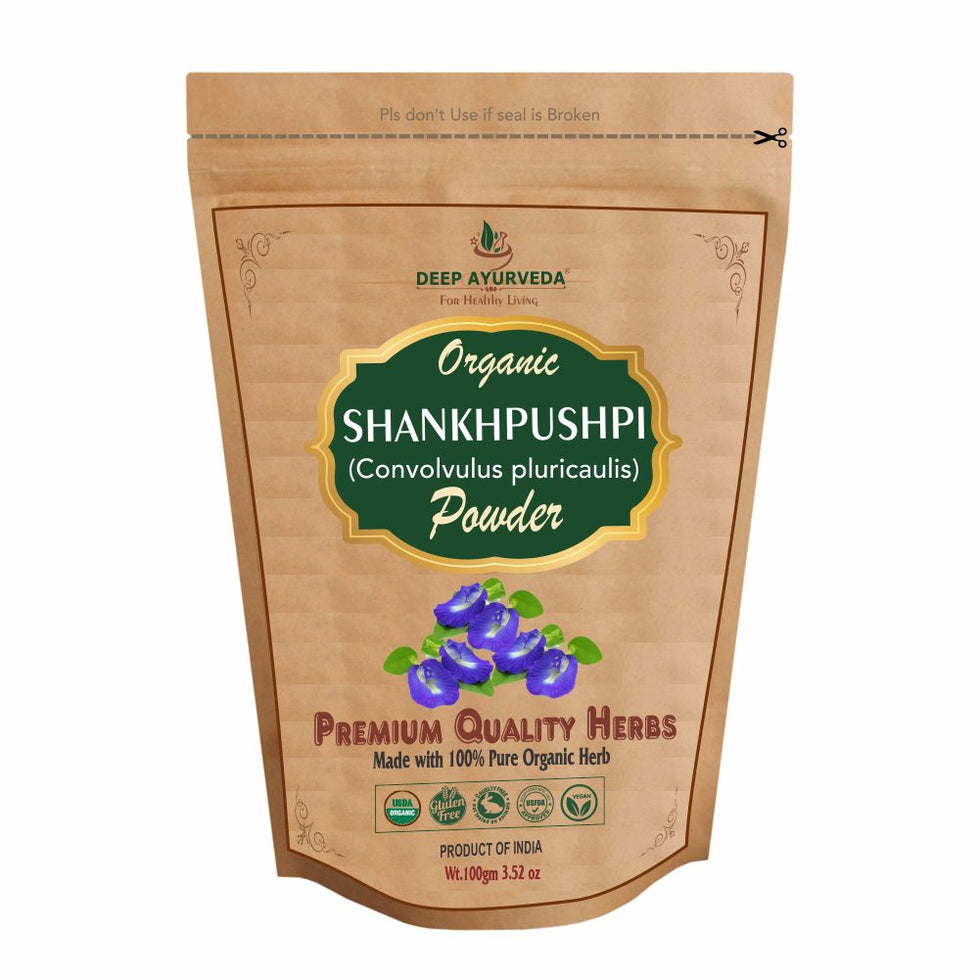
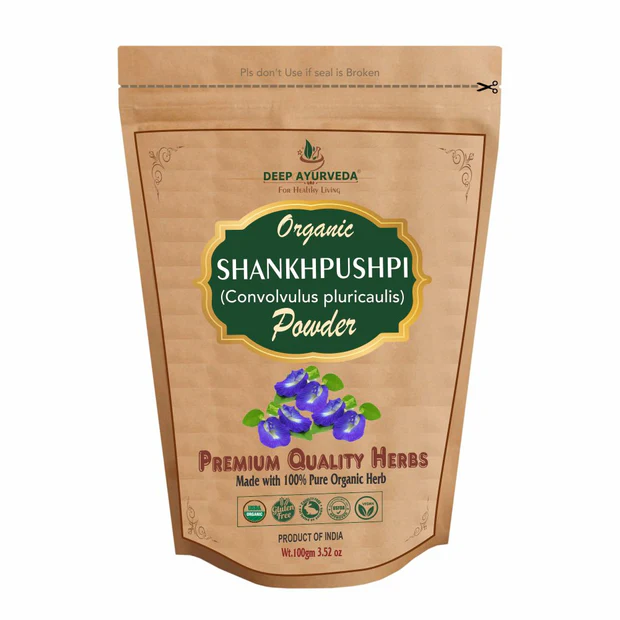
Deep Ayurveda Organic Shankhpushpi Powder
✅100% Organic & Chemical-Free ✅ Enhances Brain Function ✅ Reduces Stress and Anxiety ✅ Supports Better Sleep ✅ Boosts Memory and Learning Ability
Shankhpushpi is one of the most well-known herbs used in ancient healing practices to promote mental wellness and help the body deal with stressful situations. This Ayurvedic herb comes from a plant that has been used for centuries to promote mental clarity and general good health. Now that more people are searching for all-natural alternatives to improve their health, the popularity of shankhpusphpi is on the rise again. This article will explore the various benefits, uses, doses, side effects related to this remarkable herb.
What is Shankhpushpi?
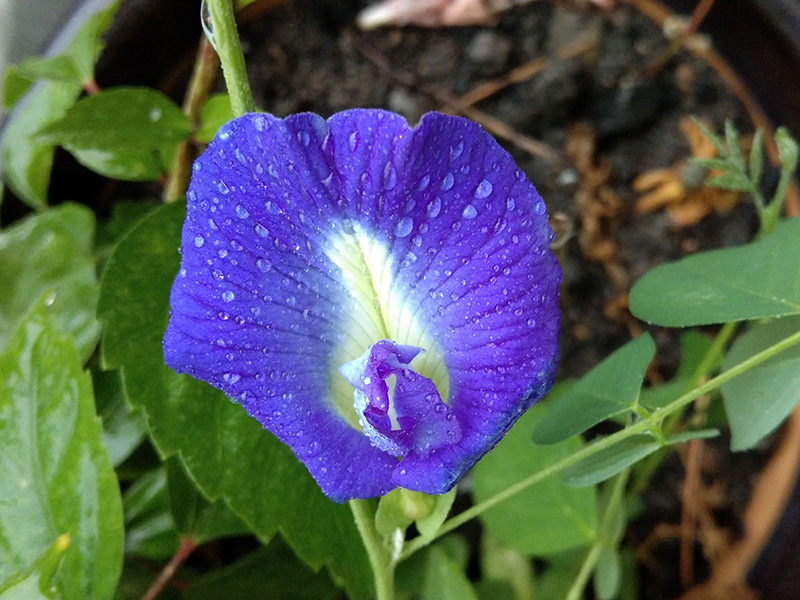
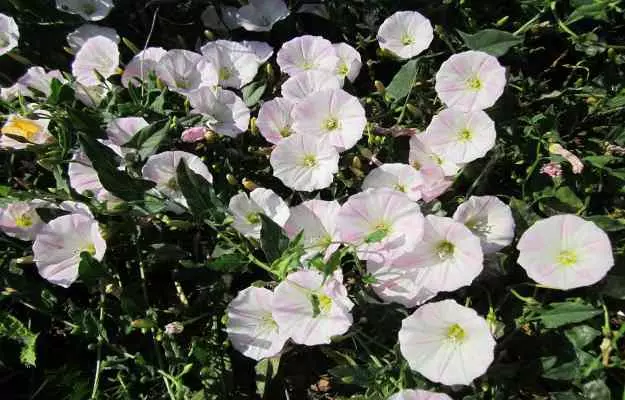
Shankhpushpi, scientifically known as Convolvulus Pluricaulis, is a perennial medicinal herb native to India. It is considered to be a very important herb in Ayurvedic medicine because of its ability to protect the brain. This herb is a climbing vine that grows in warm climates and produces delicate flowers that are white or dark blue and shaped like conch shells.
Psychologically, Shankhpushpi helps to cool the body (by being ‘sheeta’ in nature) and help with Pitta disorders. Shankhpushpi is believed to provide nourishment to the scalp and so, aid in maintaining the health and growth of hair, as well as providing support for the nervous system. Because of these qualities, Shankhpushpi is used in many different ways in Ayurvedic medicine.
Shankhpushpi acts as a natural tranquilizer and allows the nervous system to return to a balanced state. Unlike synthetic alternatives, Shankhpushpi supports mental clarity without the heaviness that can come from taking synthetics. This dual basis of action, enhancing mental clarity and lowering cortisol levels, make Shankhpushpi a valuable tool in managing overall health.
Health benefits Of Shankhapushpi
Boosts Memory and Cognitive Function
Shankhpushpi has been used for centuries as a supplement to help increase brain function. The antioxidants and flavonoids found in shankhpushpi enhance many aspects of memory including memory capacity, focus, concentration, calmness, alertness of an individual. Shankhpushpi is an excellent brain tonic and stimulator, and therefore if you are using shankhpushpi to enhance brain function you will experience improved memory, better reasoning skills, better problem-solving skills, and so on. Additionally, shankhpushpi contains neuro-protective elements that help prevent memory loss and help relieve mental tension from the brain.
Helps reducing Mental Fatigue
Mental fatigue refers to the prolonged and excessive activity of learning, working to learn. Some common causes of mental fatigue include extended periods of working at the computer or watching television, as well as repeated attempts to learn or retain information. Because of mental fatigue we may experience an inability to focus or a loss of mental energy.
Shankhpushpi helps to increase cognitive abilities and reduce the propensity for becoming mentally fatigued. Mixing one tablespoon of powder in a glass of water daily to drink will improve memory retention.
Reduces Stress, Anxiety
Shankhpushpi is widely used in Ayurveda and modern wellness practice specifically to reduce stress and anxiety in a natural, calming way. It works by soothing the nervous system and balance stress hormones, thereby promoting emotional balance in people experiencing everyday stressors, anxiety from tests and other similar scenarios.
Improves Sleep Quality
Shankhpushpi can help people with insomnia, light sleepers or those with restless mind by balancing Vata and helping the nervous system to relax. One of the most popular ways to take it for better sleep is to drink warm milk mixed with it just before bed, a common practice in Ayurveda.
Supports Digestive Health
Shankhpushpi helps support digestive function by improving digestion, relieving bloating and acidity, and helping to regulate bowel movements. In Ayurveda, Shankhpushpi acts as a moderate tonic for digestion and a gentle laxative, and provides relief for gut problems related to stress such as indigestion and symptoms associated with irritable bowel syndrome.
Supports Heart Health
Shankhpushpi supports heart health mainly by helping to lower blood pressure, reduce bad cholesterol, and protect blood vessels from oxidative damage. The antioxidant and anti-inflammatory properties of shankhpushpi provide support to the cardiovascular system in a safe manner for those who are already managing heart-related lifestyle risk factors.
Improves Skin Health
Shankhpushpi is very important when it comes to treating different types of skin problems. It is rich in antioxidants, which can help to eliminate free radicals from the body, along with having antipruritic properties that help reduce the itching from allergic reactions to skin problems such as psoriasis, eczema, acne, sunburns and others. It can also be used as a tonic for the skin since it goes deep into the skin to nourish it from deep within, leaving the skin healthy and radiant. It also helps with wrinkles, fine lines, dark spots and age related skin problems.
Common Uses of Shankhpushpi
Common uses of Shankhpushpi in Ayurveda and modern wellness include:
- Students, professionals, and people with memory problems or brain fog may have improved memory and concentration.
- Stress, anxiety, and restlessness can be reduced in exams, work, and chronic worry.
- Supporting sleep and managing insomnia, especially in people with racing thoughts or Vata‑type nervousness.
- As an adjunct treatment, epilepsy and other brain disorders can be helped to reduce seizures and reduce abnormal brain function.
- Mood may improve and mild depression may be managed by balancing neurotransmitters and calming the nervous system.
- Heart health may be improved by slightly decreasing blood pressure, increasing triglycerides and decreasing lipids, and protecting arteries.
- Liver function and detoxification may be supported by the cleansing of toxins and decreasing the level of oxidative stress in the liver.
- Digestive health may be supported by aiding digestion, decreasing acidity and bloat, and relieving mild constipation.
- Supporting skin and wound healing, due to its antibacterial, anti‑inflammatory, and antioxidant properties for acne, wounds, and skin infections.
- The application of oil to the scalp and hair will improve the health of the scalp and hair by preventing hair loss and stimulating growth.
Different Forms of Shankhpushpi
- Shankhpushpi Powder (Churna): You can consume Shankhpushpi powder/churna by mixing it with water, honey, or warm milk. This is the traditional way of using it, and is very popular for improving memory, reducing stress levels, and helping with insomnia.
- Tablets and Capsules: Tablets and capsules provide a standardized dose and are also simple to use for extended periods of time. They are often combined with other nootropic herbs such as Brahmi for enhanced brain effects.
- Decoction (Juice/kashayam): Another way of using Shankhpushpi is by making a juice by boiling the whole herb or root in water, which is used in Ayurveda for treating neurological (brain) and mental (mind) disorders.
Recommended Dosage of Shankhpushpi
Dosage can vary by age, constitution (Prakriti), and condition, so it’s best to follow an Ayurvedic practitioner or product label. Typical guideline ranges are:
| Form | Recommended Dose |
| Powder (churna) | 1/4-1/2 teaspoon twice a day |
| Tablets/Capsules | 1–2 tablets (often 500 mg each) twice daily |
| Juice (Kashayam/Swarasa) | 10–20 ml (2–4 tsp) once or twice daily |
Side Effects of Shankhpushpi
Shankhpushpi has no proven adverse effects; however, you must consult a doctor, especially if taking other medications, to check for harmful interactions. is generally considered safe at recommended doses, but some people may experience side effects, especially with high or long‑term use. Common side effects include:
- Nausea, bloating, gas, mild diarrhea, or upset stomach.
- Headache.
- Dizziness, sluggishness.
- Low blood pressure with lightheadedness.
- Skin rashes, itching, or swelling.
Precautions when using Shankhpushpi
- Do not self‑medicate or change ongoing treatment
- Avoid using, if you are pregnant or breastfeeding
- People with heart disease, kidney disease, diabetes, epilepsy should consult doctor before using it.
- Monitor blood pressure while using it.
The Conclusion
Shankhpushpi is a beneficial Ayurvedic herb that may help with memory, stress, sleep, heart, liver and digestion when taken as per direction. However it can cause drowsiness, hypotension (low blood pressure), and nausea series of digestive disturbances. Before taking it, individuals should consult their doctor, particularly those who are pregnant, have a chronic illness, or on regular medications.
Frequently Asked Questions
What is Shankhpushpi and why is it used?
Shankhpushpi (Convolvulus Pluricaulis) is an Ayurvedic brain tonic derived from a flowering plant. It has been traditionally used for improving memory, focus, and mental clarity as well as reducing stress, anxiety and sleep problems.
Is it safe to take Shankhpushpi everyday?
Shankhpushpi is usually safe for adults at recommended doses for short-term use but should be monitored by a doctor when taken long-term or in high doses.
What is the best form of Shankhpushpi: powder, juice or tablets?
Powder form of Shankhpushpi is ideal for those using traditional Ayurvedic practices, while tablet form is convenient for adults, and juice form is preferred for those who dislike bitter taste.
Will Shankhpushpi interact with medicines?
There are some reported interactions between Shankhpushpi and other medications, particularly with sedatives, antidepressants and some antiepileptic drugs. You should inform your doctor if you are on regular medications.